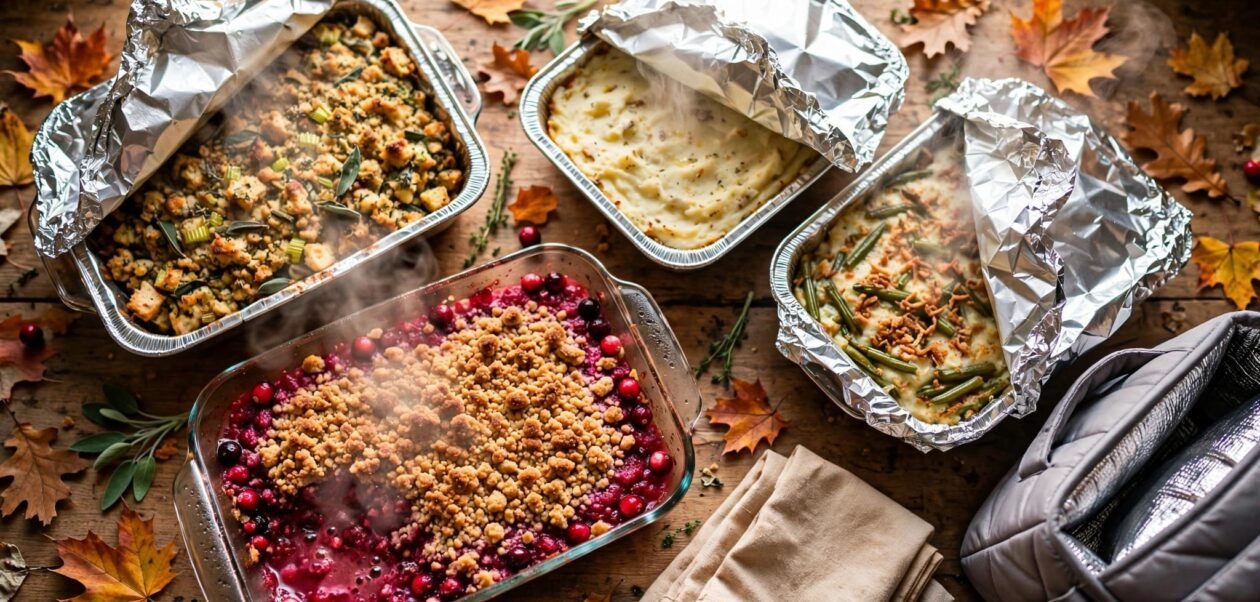
The door swings open, and before you even step inside, the smell finds you: sage and butter, cinnamon, something roasting. Foil comes off warm dishes one by one, and the table fills with whatever everyone brought.
That’s the whole point of a Thanksgiving potluck. Nobody gets stuck making everything alone, which means the host actually gets to sit down and eat. Instead of one person carrying the day, the meal becomes a collection of small, shared efforts, and that’s exactly what makes it feel generous.
I’ll walk you through savory mains that survive the car ride, seasonal sides, desserts that portion easily, and the packing and timing tricks that keep food safe and tasting good. With Thanksgiving potluck dishes, the smart move is choosing one thing you actually enjoy making. You’ll bring something better when it’s a dish you’re happy to cook, and it’ll land on the table the way it should.
Here’s how to pick the dish that fits the menu, the guest count, and the setup you’ve got.

Why Thanksgiving Potluck Dishes Make the Holiday Easier for Everyone
A Thanksgiving potluck spreads the work across many hands, and that changes the day for everyone. The host gets room to breathe instead of roasting, mashing, and baking alone. Guests get a clear way to help, even if they don’t cook often. I like how the meal becomes a mix of small contributions rather than one person’s marathon. You bring one dish you can handle, and the table fills with more variety than any single kitchen could manage.
Matching Your Dish to the Host’s Menu
A short message to the host saves guesswork. Ask whether a main, side, salad, or dessert would help most. Then ask what others plan to bring and whether oven space or an outlet is free for a slow cooker. That last detail matters if your dish needs to stay warm.
If the table already leans rich, bring something crisp. A bright salad with apples and pecans cuts through stuffing, gravy, and buttered rolls. It gives guests a fresh bite between heavier spoonfuls.
Also ask whether your Thanksgiving potluck dish should feed the whole group or simply add one more option. That answer changes your portion plan, and it keeps you from showing up with a third casserole when the table has no room.
How Much Food to Bring for a Crowd
Portion math gets simpler once you know your dish’s role. If you bring a main that anchors the meal, plan about one serving per guest. If your dish is one of many sides, smaller scoops are enough. Guests tend to sample, and a crowded table invites smaller portions anyway.
Choose something guests can serve without help. A casserole cuts into smaller portions as the meal goes on, and a salad scoops easily onto a plate. Both work well on a buffet line where people are balancing a plate and a glass.
Bring a dish that still looks good after ten people have served themselves.
A wide bowl, a sharp serving spoon, and a clear label make your dish easy to share. That small setup keeps the line moving and lets you enjoy the party too.

Savory Thanksgiving Potluck Dishes That Travel Well
Savory dishes for a Thanksgiving potluck need to survive a car ride and still taste good after reheating. I look for recipes that hold their texture and flavor when made ahead. Three categories work well: hearty soups and chilis, roasted seasonal vegetables, and no-oven salads. Each one can be prepped in advance and packed for the trip.
Hearty Soups, Chilis, and Casseroles
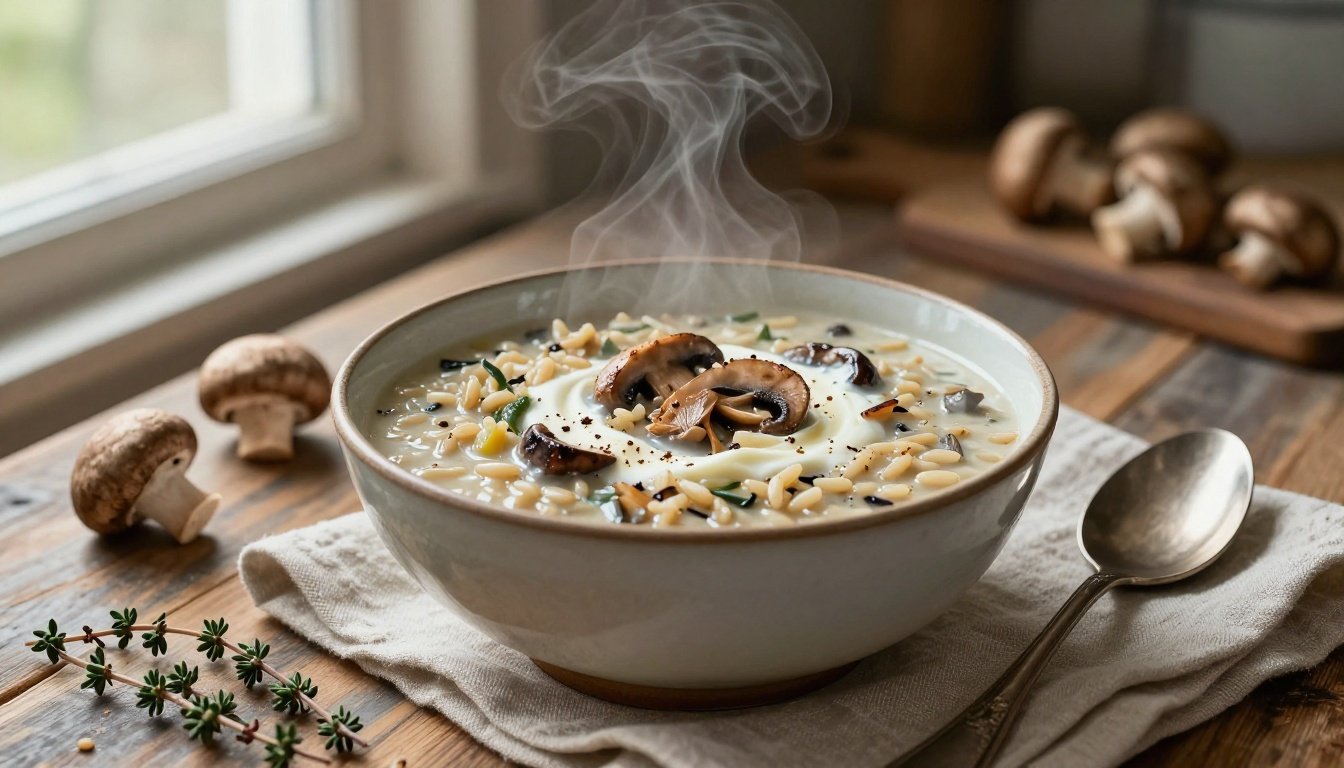
A pot of bean chili or lentil soup is a reliable choice. Both stay warm in a slow cooker and taste even better the next day as the flavors settle. Turkey chili works the same way, and it gives guests a lighter option alongside richer sides. For something you can slice, a squash and grain casserole with quinoa or brown rice holds its shape after reheating. I cook these dishes a day ahead, cool them quickly, and refrigerate overnight. On the day of, reheat gently and keep the pot on low. These dishes travel well in a slow cooker or insulated carrier, and they stay hot through the buffet. Set out toppings in separate bowls: chopped onion, shredded cheese, and fresh herbs. Give each bowl its own spoon so the line moves smoothly and nothing gets muddled.
Seasonal Sides Like Roasted Squash and Brussels Sprouts
Roasted carrots, squash, sweet potatoes, and Brussels sprouts travel well because they keep their structure. Cut pieces to a similar size so they cook evenly. Toss them with olive oil, salt, and herbs like rosemary or thyme before roasting in a single layer. After you reheat them, add a squeeze of lemon or a handful of fresh herbs to bring back brightness. I roast sturdy vegetables and cook grains ahead of time when I can. Keeping the vegetables dry before roasting helps them brown instead of steam. A modest drizzle of maple syrup works on squash, but keep the flavor savory. For a warm side that stands on its own, sauté kale or spinach with garlic, then stir in white beans. That combination feels hearty without needing a rich sauce, and it holds up well in a covered dish.
Salads, Slaws, and Other No-Oven Dishes
A cabbage slaw or a sturdy kale salad can be made ahead and packed without worry. Keep the dressing separate until serving so the leaves stay crisp. These dishes free up oven space at the host’s house and add a fresh contrast to heavier food. I like a slaw with shredded cabbage, thin apple slices, and a cider vinaigrette. A farro or quinoa salad with roasted squash and a light vinaigrette also works well. Sturdy greens hold up better than tender lettuce, so pack the dressing in a separate jar. For the drive, pack cold dishes in a cooler with ice packs. That step keeps them safe and prevents anything from wilting before the meal begins.
Sweet Thanksgiving Potluck Desserts for a Crowd
Dessert is the part of the buffet everyone circles back to, and it’s also the easiest course to bring as a Thanksgiving potluck dish. Sweets portion out in small pieces, hold up in a cooler, and don’t demand oven space when the host is juggling a turkey. Our approach is simple: pick treats that cut cleanly, pack flat, and still look appealing after a car ride. A little thought about how each one is stored and served goes a long way.

Handheld Treats: Bars, Cookies, and Brownie Bites
Bars and cookies are the most forgiving sweets on a potluck table. They bake ahead, stack in an airtight container, and need no plates or forks once guests start grazing.
Pumpkin bars are my go-to for this crowd. A 9-by-13-inch pan gives you plenty of squares, and the soft, spiced crumb sits well under a cream cheese frosting. Let the bars cool completely before you frost them, or the topping slides around. Cut brownies into small squares instead of big slabs; a two-bite portion disappears faster on a table already loaded with pie.
Decorated sugar cookies add color and travel beautifully. Bake and store them plain, then add icing and sprinkles close to serving so the finish stays neat. The same rule applies to chopped nuts, toasted coconut, or a dusting of cinnamon: hold delicate toppings until you’re nearly out the door.
Label every treat with a small ingredient card, especially when nuts, dairy, wheat, or eggs are involved. Guests with allergies can then decide for themselves without hunting down the person who baked.
Pies, Mini Cheesecakes, and Chilled Desserts
Mini cheesecakes give you built-in portion control. Each one is already single-serve, so nobody needs to slice a whole cake while balancing a plate. A fruit option balances the sweets too: fruit skewers or a simple platter of sliced apples, grapes, and berries gives guests something light between richer bites.
Chilled desserts need a plan. Anything made with cream cheese, whipped cream, pudding, or yogurt has to stay cold, so bring it out in small batches and return the rest to the cooler. Set out one tray at a time and keep the backup covered with ice packs nearby.
Perishable desserts should not sit at room temperature for more than two hours, and that window shrinks to one hour when the room runs above 90°F.
A classic pecan or pumpkin pie remains the sturdiest choice of all. It travels flat, slices without fuss, and needs nothing more than a knife and a stack of small plates. Pack it in its own carrier so the crust arrives intact.
Between the handheld treats and the chilled desserts, you’ll have a dessert spread that portions easily and survives the trip.
Make-Ahead Tips and Food Safety for Potluck Day
The day of a potluck moves fast. A little prep before you leave keeps your dish tasting good and safe to eat. I plan the make-ahead work in two parts: what I can finish early, and how I’ll hold the food at the right temperature. That approach makes Thanksgiving potluck dishes easier to carry and serve.
What to Prep a Day or Two Before
Sturdy vegetables hold up well when you prep them early. I wash and cut carrots, squash, cabbage, and Brussels sprouts, then dry them thoroughly before storing them in covered containers in the refrigerator. Dry vegetables roast better because surface moisture makes them steam. Cooking grains and mixing dressings ahead also saves time on potluck day. Keep dressings in a separate jar, and store cooked grains in a shallow container so they cool quickly.
Soups, chilis, and casseroles benefit from the same shallow-container trick. Spread them out rather than leaving them in a deep pot, then refrigerate. The smaller depth helps the food cool faster. Hold back crisp toppings, fresh herbs, and anything crunchy until you’re close to serving. A clean paper towel in a salad container absorbs extra moisture and helps greens stay crisp. That small step protects texture and makes the whole dish easier to finish at the host’s house.
Keeping Hot Food Hot and Cold Food Cold
Temperature control is the part of potluck day I never skip. Cold dishes need to stay at 40°F or below, and hot dishes need to stay at 140°F or above. For cold food, pack a cooler with ice packs and keep the lid closed during the drive. For hot food, a slow cooker or warming tray helps hold the dish at a safe temperature. Check the setting with a food thermometer if you’re unsure.
At the table, set out small platters and refill them from the cooler or warming dish. Topping up a dish that has sat out mixes fresh food with food that’s already been waiting. Perishable food shouldn’t sit at room temperature for more than two hours. When the meal ends, move leftovers into shallow containers and refrigerate them promptly. That last step keeps the food safe and makes cleanup easier.
Packing, Labeling, and Traveling With Your Dish
Pack your dish like you’re handing it to someone else. Bring your own serving spoon, tongs, or knife, because the host may not have a spare. A small label with the dish name and key ingredients helps guests with allergies and dietary needs. I also ask the host about table space and refrigerator room before the day arrives. That question prevents a last-minute shuffle.
Dressings and crispy toppings should travel in separate containers. Add them just before serving so the dish doesn’t turn soggy in transit. If your dish needs to stay cold, place it in a cooler with ice packs and keep the cooler in the passenger area rather than a warm trunk. For hot dishes, an insulated carrier works well. Secure lids, set containers flat in the car, and carry a spare towel for spills. These small moves make Thanksgiving potluck dishes easier to transport and serve.
Potluck Dishes That Work for Vegetarian and Restricted Diets
Every potluck has someone scanning the table for a dish they can eat. Making that easier takes a little thought, and I think of it as a small kindness rather than a chore. You don’t need a separate menu. Choose one dish you can make well, label it clearly, and give it its own serving spoon. That effort tells guests you thought about them. It also makes your Thanksgiving potluck dish more useful to the whole table.
Plant-Based Dishes With Real Staying Power
A vegetarian option should hold up as a meal, not a side note. If a guest skips the turkey, a small scoop of green beans won’t fill a plate. Stuffed squash works well here. Fill halved squash with rice, quinoa, or beans, then roast it until the edges soften. Bean chili is another strong choice because it’s hearty, easy to keep warm, and naturally plant-based. Hummus with crisp vegetables gives guests something to snack on before the meal, and roasted potatoes with rosemary add a comforting starch that happens to be meat-free.
Keep these dishes away from ones that contain restricted ingredients. Use separate serving utensils, and set the plant-based dish on its own part of the table. That way, a guest with a dairy or meat restriction can serve themselves without worrying about cross-contact. The goal is simple: a full plate, not a polite nibble.
Handling Gluten, Dairy, and Nut Concerns
Ask the host about known allergies before you settle on a recipe. A quick question in advance can spare you a last-minute scramble at the store. If the host mentions a gluten or dairy concern, you can pick a dish that already fits, or plan a simple swap. Once you arrive, set a small ingredient card beside your dish. List the main components and note common allergens like wheat, milk, or nuts. Guests can then check for themselves without tracking down the person who cooked.
Clear labels and separate spoons do most of the work. A shared spoon can carry traces from one dish to another, so give each bowl its own. If you bring a dish with nuts, keep them in a small bowl on the side rather than mixed through. That small choice lets guests add them or leave them out. Above all, be honest about what’s in the dish. If you’re unsure whether an ingredient is gluten-free, say so. Guests appreciate the transparency more than a guess.
Conclusion
You don’t need a complicated recipe to make your mark on a Thanksgiving potluck. One seasonal dish you genuinely enjoy making, a plan for keeping it hot or cold in the car, and a quick word with the host about what the table still needs will get you there. That’s the whole formula, and it works whether you’re carrying a pot of bean chili or a tray of pumpkin bars.
Pick a single idea from this post and build around it. Prep the sturdy parts a day ahead, pack your own serving spoon, and label anything that contains common allergens. Those small logistical choices matter as much as the recipe, because they’re what let your dish arrive tasting the way it did in your kitchen.
Then the door opens, the foil comes off, and the table fills with what everyone brought. Your Thanksgiving potluck dish takes its place among the others, and the meal turns into the shared, crowded, generous thing it was always meant to be.
Save the pin for later


- Air Fryer Salmon Bites with Quick Lemon-Dill Yogurt Sauce - November 26, 2026
- Healthy Spinach Pasta with White Beans and Parmesan - November 26, 2026
- Easy Tofu Stir-Fry with Vegetables and Ginger Sauce - November 26, 2026