A warm, filling soup is easier to fit into a busy evening when the Instant Pot handles most of the cooking. This wild rice soup brings together chewy rice, vegetables, and mushrooms with a creamy finish that’s easy to make dairy-free or vegetarian.
Brown the mushrooms first for a deeper, savory flavor, then let the pressure cooker do the rest. For more cozy dinner ideas, browse these fall soup recipes before you get started.
What Makes This Instant Pot Wild Rice Soup So Satisfying
A good bowl of Instant Pot wild rice soup has a little of everything: chewy grains, tender vegetables, savory broth, and mushrooms with browned edges. Add cream or a dairy-free alternative at the end if you want a softer, richer finish. Leave it out for a lighter broth, or let everyone add a creamy swirl to their own bowl.
This soup suits a make-ahead lunch or an easy meat-free dinner. The rice and vegetables make it filling, while the broth keeps the bowl from feeling too heavy.
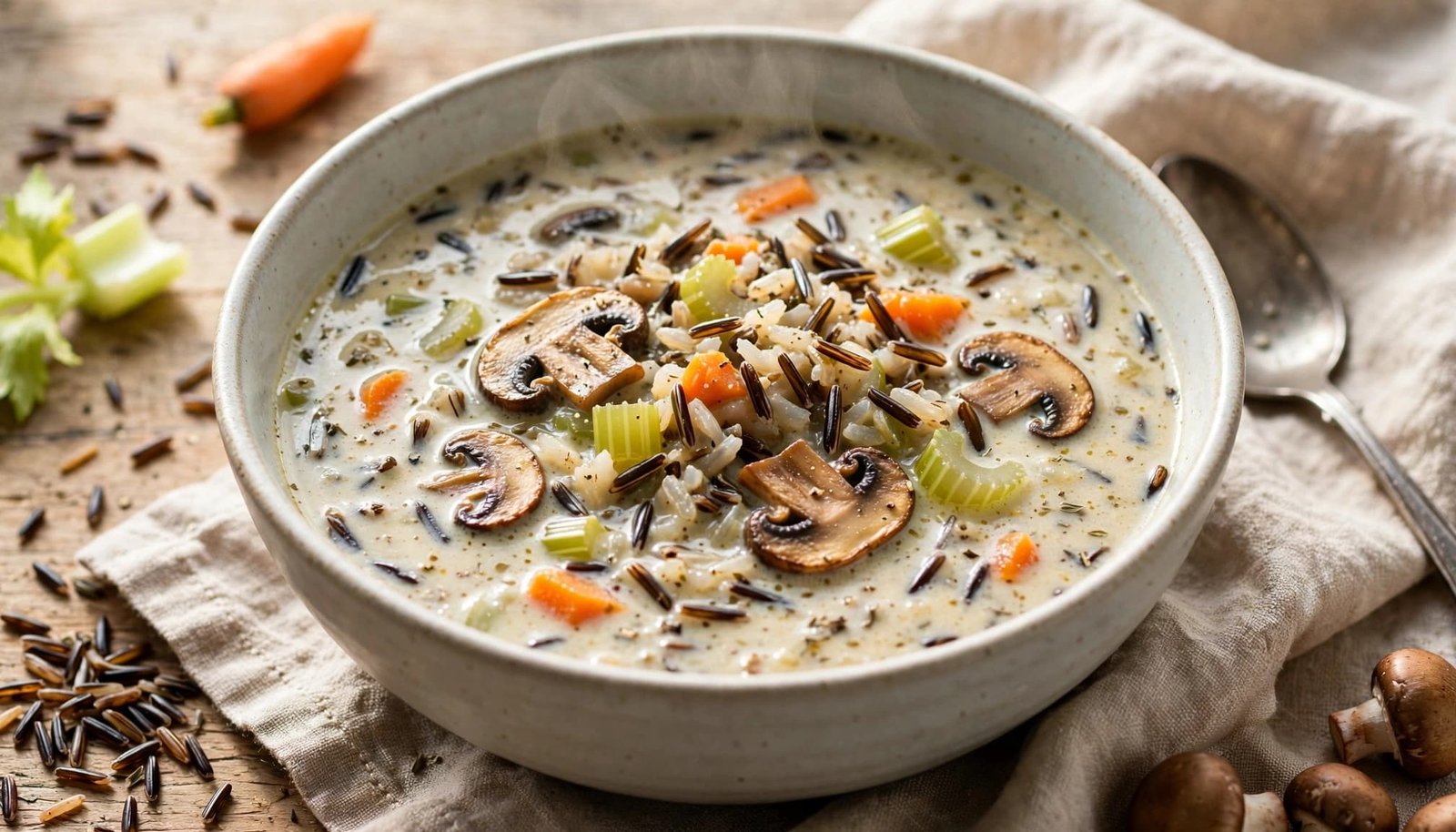
A simple mix of vegetables, rice, and herbs
Onion, carrot, and celery give the soup a familiar savory base. Garlic adds a little warmth, while mushrooms bring an earthy flavor that pairs naturally with wild rice. Brown the mushrooms before adding the broth. That extra step lets their moisture cook off and helps their edges turn golden, building a deeper flavor in the finished soup.
Wild rice stays pleasantly chewy as the vegetables soften around it. Broth carries the flavors through each spoonful, and thyme and bay leaf add gentle herbal notes without taking over. Remove the bay leaf before serving, then taste the broth and adjust the seasoning as needed.
The result is hearty enough to serve as dinner, especially with bread or a simple salad. If you prefer a creamy soup, stir in cream or a dairy-free option after pressure cooking and warm it gently. You can keep the base meat-free with vegetable broth, or use chicken broth for a fuller savory taste.
Choose wild rice or a wild rice blend
Pure wild rice and packaged wild rice blends can cook at different rates and have different textures. Pure wild rice tends to become tender and chewy after a longer cook, while a blend may include grains that soften sooner. Some boxed mixes also include seasonings, so blends aren’t all interchangeable.
Check the package before choosing your rice, and follow the recipe timing for the specific type it was tested with. A general stovetop guide can help explain how wild rice cooks, but pressure-cooker timing is different. Don’t swap in a blend based only on the cooking time for pure wild rice.
If you use a different rice than the recipe calls for, check the texture before serving. The grains should be tender with some chew, not hard in the center or split until soft. This small check helps keep the soup’s texture balanced, whether you’re making it for tonight or portioning it for later.
Gather Ingredients and Make Easy Swaps
For a family-size pot of Instant Pot wild rice soup, start with about 1 cup wild rice, 1 pound mushrooms, 1 onion, 2 carrots, 2 celery stalks, 2 garlic cloves, and 4 cups broth. The rice gives each bowl a chewy, filling base, while the vegetables add sweetness and savory flavor. Thyme, salt, and black pepper keep the seasoning simple; you can adjust them after cooking.

Build flavor with mushrooms and aromatics
Use the Instant Pot’s sauté setting to soften the chopped onion, celery, and carrots in a little oil. Add the garlic and sliced mushrooms, then cook until the mushrooms release their moisture and begin to brown. Give them time to turn golden at the edges; that step brings out their savory flavor before the broth goes in.
If browned bits stick to the bottom, pour in a splash of broth and scrape them loose. This also helps prevent food from scorching during pressure cooking, as described in the Instant Pot Duo manual.
Use broth, chicken, or beans to suit your table
Choose vegetable broth to keep the soup vegetarian, or use chicken broth for a fuller savory taste. If you prefer a thinner soup, add more broth after cooking until the consistency feels right. Taste before adding extra salt, since some broths are already well seasoned.
For a heartier bowl, stir in about 1 to 2 cups cooked shredded chicken after pressure cooking. Drained, rinsed white beans work well, too; add about 1 can and warm them through without a long simmer. Canned beans are already tender, so adding them at the end helps keep them intact. Either option fits the rice, mushrooms, and vegetables without changing the base method.
Make the soup creamy with dairy or plant-based options
Stir in about 1/2 cup cream or milk after pressure cooking, then warm the soup gently. Add a little more if you want a richer finish. Coconut milk makes the broth creamy with a mild sweetness, while neutral plant milk or cashew cream gives a less noticeable flavor.
You can also skip the creamy finish and serve the soup as a lighter broth-based meal. Taste once more before serving, then adjust the pepper, salt, or thyme as needed.
How to Make Instant Pot Wild Rice Soup
This Instant Pot wild rice soup gets its flavor from browned mushrooms, tender vegetables, and rice cooked right in the broth. Follow the steps in order, then add the cream and any cooked add-ins after pressure cooking.

Sauté the vegetables and brown the mushrooms
- Press Sauté on the Instant Pot and add a little oil. Once it’s warm, stir in the chopped onion, carrots, and celery. Cook for a few minutes, until the onion softens.
- Add the garlic and sliced mushrooms. Cook, stirring now and then, until the mushrooms release their moisture and begin to brown at the edges. Let the moisture cook off before moving on; golden mushrooms add a fuller, savory taste to the broth.
- Pour in a splash of broth and scrape the bottom of the pot to loosen any browned bits. Add the remaining broth and seasonings, then cancel Sauté. Clearing the bottom helps prevent stuck-on food from scorching during pressure cooking.
Pressure-cook the rice and vegetables
- Rinse the wild rice, drain it well, and stir it into the broth. Check that the grains are submerged so they cook evenly. Keep thicker ingredients from collecting at the bottom.
- Lock the lid and set the valve according to your model’s instructions. Cook whole wild rice on High Pressure for about 25 minutes, then let the pressure release naturally for 10 minutes. This is a recipe-specific starting point, not a fixed rule for every rice or appliance. Rice blends and Instant Pot models may need different timing, so check the rice package and your cooker’s guidance.
- After the 10-minute natural release, carefully release any remaining pressure. Don’t open the lid until the float valve drops and the cooker is fully depressurized. Rice expands as it cooks, so keep the ingredients at or below the pot’s 1/2 fill line for soup. Instant Pot’s pressure-cooking safety guidance covers fill limits and safe pressure release.
Stir in the creamy finish and adjust the seasoning
- Open the pot and check that the rice is tender with a little chew. If it’s still firm, cook it a bit longer using the pressure-cooking instructions for your model.
- Stir in cream, milk, coconut milk, or another dairy-free option. Add cooked chicken or rinsed canned beans if you want a heartier soup. Stir in spinach or another quick-cooking green near the end, so it softens without losing all its color.
- Use Sauté on low, if available, or the Keep Warm setting to heat everything gently. Avoid a hard boil after adding dairy. Taste the soup, then adjust the salt, pepper, or herbs. If it’s thicker than you like, add broth a little at a time until the texture feels right.
Adjust the Texture, Flavor, and Dietary Options
Once the rice is tender, you can adjust the soup to suit your table without changing the cooking method. Check the texture and seasoning first, then add greens, protein, or a topping as needed.

Fix rice that is too firm or soup that seems thin
If the wild rice is still firm in the center, keep cooking until it reaches the texture you like. Simmer the soup on the stovetop, adding broth if the liquid is low, and check the grains every few minutes. You can also briefly pressure-cook it again with enough liquid, following your Instant Pot’s instructions and checking the rice after pressure releases.
The soup may look brothy as soon as you open the pot. Wild rice continues to absorb liquid as the soup rests, so give it a few minutes before deciding it needs thickening. If it becomes too thick, stir in broth a little at a time until each spoonful feels right.
Add greens, beans, or extra vegetables
Stir kale or spinach into the hot soup near the end of cooking. A few minutes is usually enough to soften the leaves while keeping some color and texture. Add extra carrots or another vegetable if you want more in each bowl, but cook firm vegetables until tender before serving.
For a heartier meal, fold in cooked white beans, leftover grains, or cooked chicken after the rice is tender. Canned beans should be drained and rinsed first; warm them gently so they hold their shape. Use vegetable broth and beans for a vegetarian version, or keep the soup vegan with vegetable broth and a dairy-free creamy finish. Coconut milk adds mild sweetness, while other plant-based options may taste more neutral.
Brighten each bowl with herbs and crunchy toppings
Fresh parsley or thyme adds a clean herbal note to the earthy mushrooms. Toasted pumpkin seeds or croutons bring crunch, while a small spoonful of plain yogurt adds a cool, tangy finish. For a dairy-free bowl, use a plant-based yogurt or leave it out.
If the soup tastes rich or a little flat, add a small squeeze of lemon juice and taste again. Finish each serving just before it reaches the table, so herbs stay fresh and crunchy toppings don’t soften. For leftovers, refrigerate the soup within two hours and reheat it thoroughly; the USDA recommends bringing soups to a boil when reheating. USDA guidance on reheating leftovers
Serve, Store, and Reheat the Soup Safely
Serve this Instant Pot wild rice soup with crusty or whole-grain bread, a crisp salad, or a simple sandwich. Keep toppings on the side so everyone can customize a bowl with herbs, seeds, or a spoonful of yogurt.

Make it a complete and flexible meal
The soup is hearty on its own, but bread is handy for dipping and a fresh salad adds a crisp contrast. A simple sandwich works well when you want a more filling lunch. Set out toppings separately, especially crunchy seeds and fresh herbs, so they keep their texture and everyone can choose what they like.
Refrigerate leftovers and reheat only what you need
For faster cooling, divide leftover soup among shallow containers instead of leaving it in the Instant Pot. Refrigerate it within two hours, or within one hour if the temperature is above 90°F. Use refrigerated leftovers within three to four days.
Reheat only the amount you plan to eat. Stir as it warms, and add a splash of broth if the rice has absorbed more liquid in the refrigerator. USDA guidance recommends reheating leftovers to 165°F and bringing soups to a boil. See the USDA’s reheating guidance for soups. If you plan ahead, you can freeze the soup base before adding cream, then stir in the creamy finish near the end of reheating.
Freeze portions for an easy meal later
Cool the soup, then portion it into meal-sized, freezer-safe containers. Leave a little room at the top for expansion, and label each container with the date. Smaller portions thaw and reheat more easily.
Cream-based soup may separate after thawing, and the rice can soften. Reheat slowly while stirring; if the texture still looks uneven, briefly blend the soup. For the best texture, freeze the base before adding cream, greens, or other delicate ingredients. Add them as the soup warms, so they spend less time in the freezer and pot.
Conclusion
Instant Pot wild rice soup is an adaptable, filling choice for dinner and meal prep. Choose vegetable or chicken broth, add cream or a dairy-free finish, and stir in a favorite protein or vegetable to suit your table.
Save extra portions for an easy meal later. The rice may absorb more broth as the soup rests, so add a splash when reheating if needed. With a few simple choices, one pot can make a satisfying dinner today and a practical lunch for later.

- Christmas Cookie Ideas for Every Holiday Baker - November 9, 2026
- Christmas Cocktails: Party Drinks, Cozy Sips, and Mocktails - November 9, 2026
- 20 Christmas Appetizer Ideas for Every Holiday Spread - November 9, 2026