Broccoli with browned tips, savory Parmesan, and a squeeze of fresh lemon makes a simple side dish feel complete. This recipe uses everyday ingredients and clear steps to help you get crisp-tender florets, whether you’re making a weeknight meal or setting the table for a holiday. You’ll start by drying and spacing the broccoli so it has room to brown, then finish it with Parmesan and lemon.
Roasted Broccoli with Parmesan and Lemon Has Bright Flavor and Crisp Edges
Roasted broccoli with Parmesan and lemon brings three simple flavors together: browned, savory broccoli, salty cheese, and a fresh squeeze of citrus. The contrast makes this easy side feel at home beside a quick family dinner or on a holiday table. Serve it warm from the oven, while the crowns still have crisp edges and the Parmesan is soft against the florets.
What to expect from the texture and flavor
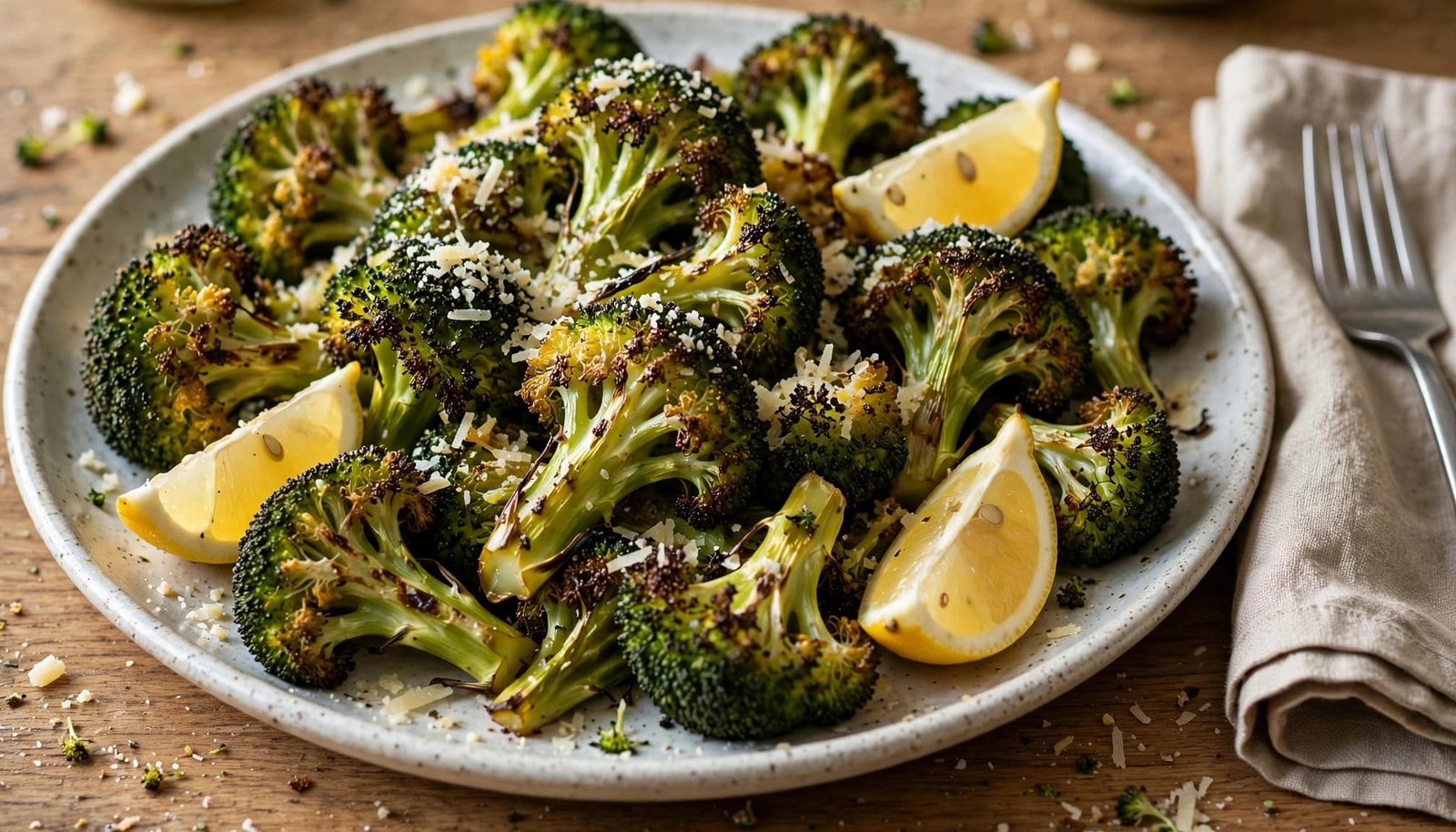
The stems should be tender-crisp, with enough bite to hold their shape. The crowns turn lightly crisp and browned where they meet the hot pan. Those golden spots bring a sweet, nutty flavor that balances broccoli’s fresh, green taste. Serious Eats also notes that high heat helps broccoli brown while keeping the inside tender, which is why a roomy pan makes a difference.
Parmesan adds a salty, savory finish. Sprinkle it over the hot broccoli so it settles into the crowns and clings to the warm florets. Then add lemon just before serving. Its tangy juice lifts the roasted flavor and keeps the cheese from making each bite feel too rich. A little zest can add more citrus aroma, if you like a stronger lemon note.
The finish is best added after roasting. Lemon juice brings moisture, so putting it on beforehand can soften the crisp edges you worked to develop. Keep a few lemon wedges nearby for anyone who wants a brighter bite.
When this simple side dish fits the menu
This dish is easy to pair with familiar mains. Add it to a quick family dinner with roasted chicken, baked fish, or pasta. For a lighter meal, serve it alongside beans and grains, or tuck a few warm florets into a bowl with rice. The salty cheese and lemon give the broccoli enough flavor to fit in without needing a complicated sauce.
Roasted broccoli with Parmesan and lemon also works for a potluck or holiday meal. It brings a fresh green vegetable to a table that may already have rich casseroles, breads, and roasted meats. Arrange it on a shallow platter so the browned crowns stay visible, and bring extra lemon wedges for serving.
The recipe is easy to scale when you need more portions. Use another baking sheet rather than crowding the broccoli into one pan. A crowded layer traps moisture and limits browning, while space around the florets helps them roast with crisp edges. If you’re serving a group, roast in batches and add the Parmesan and lemon shortly before the dish reaches the table.
Choose Simple Ingredients for Lemon Parmesan Broccoli
Roasted Broccoli with Parmesan and Lemon needs only a few ingredients, so each one has a clear job. For one large head of broccoli, gather:
- 1 large head of broccoli
- 1½ tablespoons olive oil
- ⅓ cup finely grated or shredded Parmesan
- ¼ teaspoon kosher salt, plus more to taste
- ⅛ teaspoon black pepper
- 1 tablespoon fresh lemon juice
- ½ teaspoon finely grated lemon zest

Pick fresh broccoli and cut even florets
Choose a head with firm stems and tightly packed, dark green florets. Skip broccoli with yellowing, wilted leaves, or soft spots. Food Hero’s broccoli selection tips offer a helpful visual guide when you’re shopping.
Trim the dry or tough end from the stem, then cut the broccoli into similar bite-size florets. Even pieces roast at about the same rate, so you’re less likely to end up with browned tips and underdone stems. You can peel the tougher outer layer from the main stem, slice the tender center, and roast it with the florets. It has a mild flavor and makes good use of the whole head.
Use olive oil, salt, pepper, and Parmesan
Toss the broccoli with olive oil until each piece has a light, even coating. The oil helps the florets brown in the oven, while a thin layer keeps them from feeling greasy. Add the salt and black pepper before roasting so the seasoning reaches the surfaces and settles into the crowns.
Grated or finely shredded Parmesan spreads easily over the broccoli. Its savory, salty flavor pairs with the roasted edges, but Parmesan brands vary in saltiness. Start with the measured salt, then taste the finished dish before adding more. That small check keeps the cheese and seasoning in balance.
Add lemon juice and zest for a fresh finish
Lemon juice and zest bring different flavors to the finished broccoli. The juice adds a tangy lift, while the zest gives it a fresh citrus aroma without adding much moisture.
Add both after roasting, then toss gently so the lemon reaches the florets without softening their browned edges. Start with the measured amount of juice and taste. If you want a brighter finish, add a little more just before serving.
How to Roast Broccoli Until It Is Tender with Browned Tips
A few small details make a noticeable difference when roasting broccoli. Dry florets, a hot oven, and enough room on the pan help the tips brown while the stems turn tender-crisp.
Wash, dry, and cut the broccoli before seasoning
Rinse the broccoli under cool running water, then dry it thoroughly with a clean kitchen towel or salad spinner. Wet florets can steam on the pan instead of browning, so take a moment to remove as much surface moisture as you can.
Trim off the dry end of the stem and cut the head into florets of similar size. Smaller pieces cook faster, so keeping them even helps the broccoli finish at about the same time. If you like, peel the tough outer layer from the main stem and slice the tender center into pieces.
Toss the dry broccoli with olive oil, salt, and black pepper until each floret is lightly coated. Use just enough oil to reach the crowns without leaving a puddle on the pan.
Spread the florets out on a hot baking sheet
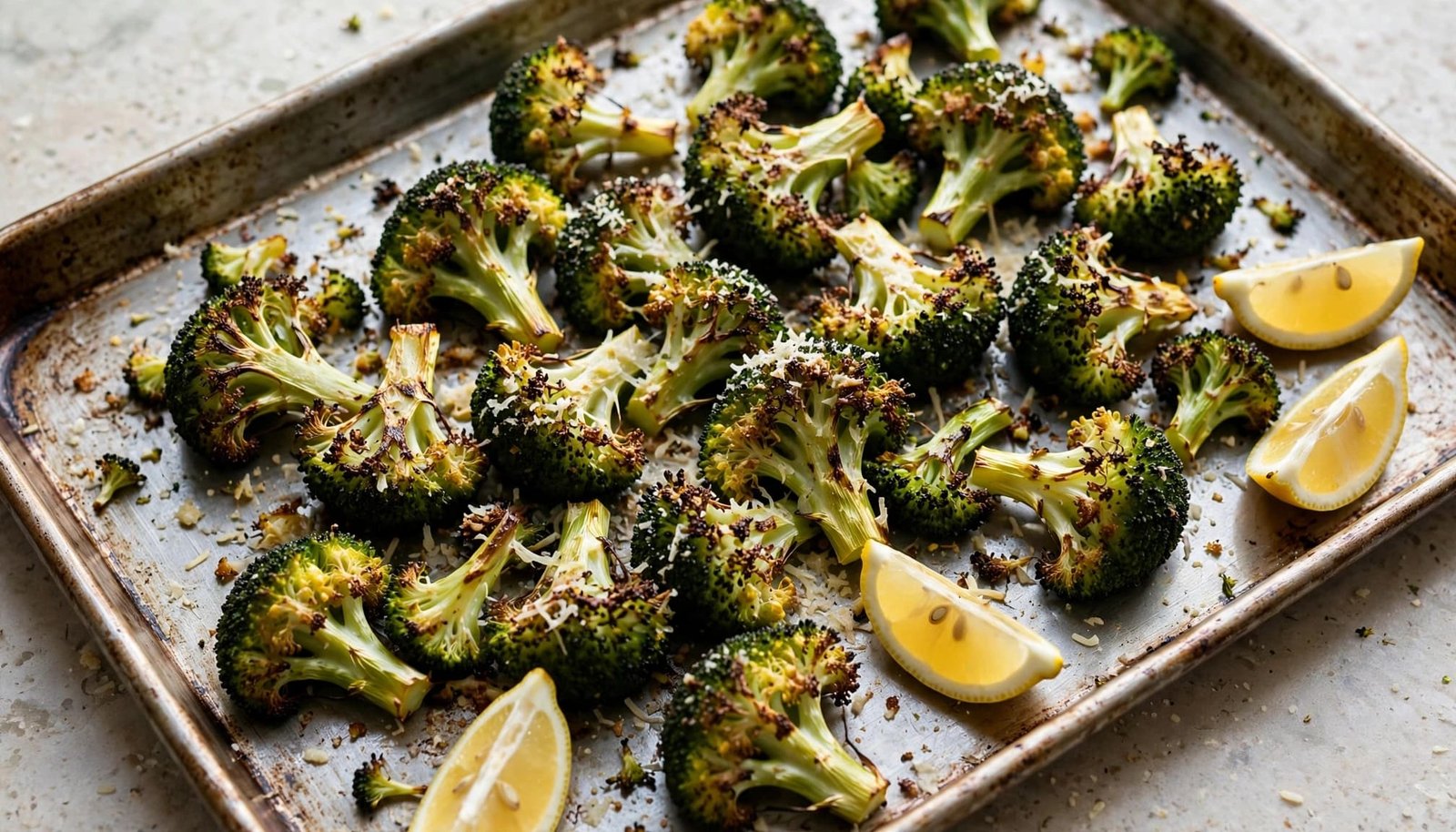
Heat the oven to 425°F. For better browning, place the baking sheet in the oven as it heats, then carefully arrange the florets on the hot pan in a single layer. Leave a little space between pieces. When florets touch or overlap, moisture can collect and slow browning.
A bare metal pan gives the broccoli direct contact with the hot surface. Serious Eats explains how pan surfaces affect roasted vegetables, including why parchment can slow browning.
Turn the florets or give the pan a careful shake about halfway through roasting. This helps expose more sides to the heat and gives the pieces a more even color.
Roast at 425°F and check for tender-crisp stems
Roast for about 15 to 22 minutes, checking the broccoli as it cooks. This range is a guide, not a guarantee. Smaller florets may be ready sooner, and oven temperatures can vary.
Look for browned tips and a few golden spots on the crowns. Pierce a stem with a fork: it should feel tender, but still have a little bite. If the broccoli needs more color or the stems feel firm, roast it for a few more minutes and check again.
Finish with Parmesan and lemon after roasting
Take the pan out of the oven, then sprinkle the hot broccoli with Parmesan and add lemon juice and, if you like, a little lemon zest. Adding them at the end keeps the cheese from scorching and preserves the lemon’s fresh, bright flavor.
If you prefer softer cheese, return the pan to the warm oven for a minute or two. Keep an eye on it so the Parmesan warms without browning too much.
Make the Broccoli Your Own and Serve It with Dinner
A few small changes can give roasted broccoli with Parmesan and lemon a different feel without changing the basic method. Adjust the seasoning to suit your table, then pair it with a simple main or build it into a filling bowl.
Add garlic, herbs, or a little heat
For more savory flavor, add a pinch of garlic powder with the salt and pepper before roasting. Fresh minced garlic can burn during the full roasting time, especially at 425°F. If you prefer fresh garlic, stir it into the hot broccoli after it comes out of the oven.
Black pepper adds a little bite, while red pepper flakes bring gentle heat. Start with a small pinch and add more at the table if you like. Chopped parsley or chives make a fresh finish; sprinkle them on with the Parmesan and lemon so their flavor stays bright.
Adjust the cheese and lemon to taste
Use a little more Parmesan for a saltier, richer finish, or start with less if you want the roasted broccoli flavor to stand out. The cheese is salty, so taste before adding extra salt.
For a brighter finish, add lemon juice a little at a time after roasting. More zest adds citrus aroma without as much extra moisture. If you’re making the dish dairy-free, leave out the Parmesan and add a little extra lemon, chopped herbs, or nutritional yeast instead. Each gives the broccoli a different finish, so choose one and taste before adding more.
Pair it with grains, beans, or a main dish
Serve the broccoli with roasted chicken, baked fish, pasta, or potatoes for an easy dinner. It also fits well in a grain bowl with brown rice or quinoa. The USDA MyPlate guide offers a simple way to think about pairing vegetables with grains and protein foods.
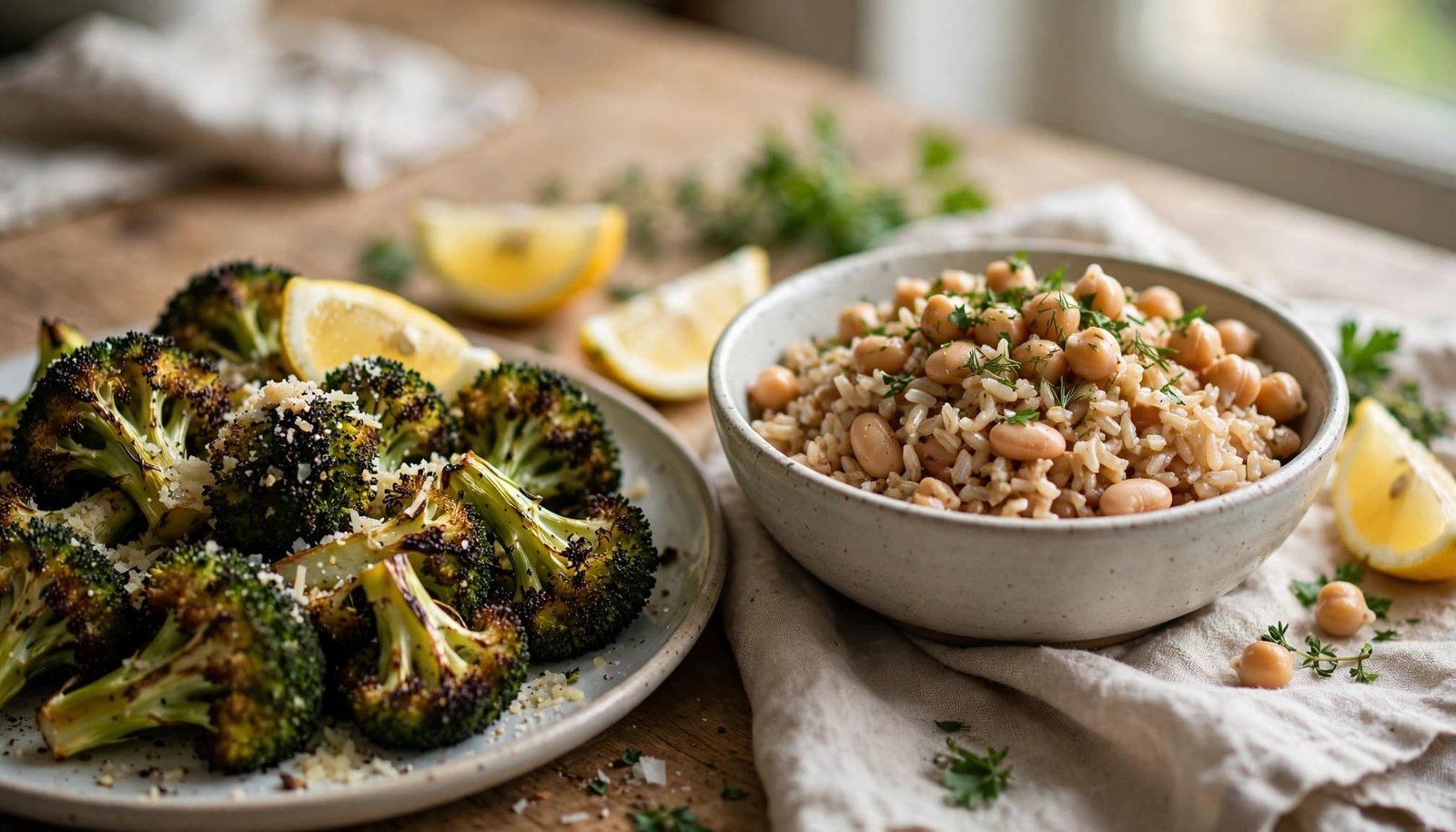
For a plant-based meal, add white beans or chickpeas to brown rice or quinoa, then serve the broccoli alongside. Use canned beans to keep prep simple: drain and rinse them, then warm gently before serving. Add a handful of chopped parsley or a few extra lemon wedges if you want a fresher finish.
You can also set the broccoli and toppings out family-style. Keep extra Parmesan, lemon wedges, and red pepper flakes on the table so everyone can adjust their plate.
Store Leftovers and Reheat Them Without Losing All the Crispness
Roasted broccoli with Parmesan and lemon is best right off the pan, but leftovers can still make an easy side or lunch. They may be softer after chilling and reheating, though a hot oven or air fryer can bring back some browned edges.
Refrigerate leftovers in an airtight container
Let the broccoli cool briefly, then transfer it to a shallow, covered container and refrigerate it within 2 hours. If the temperature is above 90°F, refrigerate it within 1 hour. You don’t need to wait for it to reach room temperature. Shallow portions cool faster, and a refrigerator kept at 40°F or below helps keep food cold.
Use the leftovers within 3 to 4 days, following the USDA’s leftover food safety guidance. If you won’t eat them in that time, freeze them. A fresh appearance or smell can’t confirm that food is safe, so follow the storage time instead.
Use the oven or air fryer to refresh the edges
Reheat only the portion you plan to eat. Spread it in a single layer in a hot oven, toaster oven, or air fryer, and warm it for a few minutes until hot. Check early, since small florets can heat quickly. The edges may brown again, but the broccoli will usually be softer than when freshly roasted.

The microwave is convenient when you’re short on time, but it tends to soften the florets. Use short intervals and stir or turn the pieces between them. For food safety, reheat leftovers to 165°F; a food thermometer can check the temperature. Add a little fresh lemon after warming to brighten the flavor.
Fix broccoli that turns soft or too dark
Soft broccoli often starts with wet florets or a crowded pan. Dry the pieces well before adding oil, then leave space between them so moisture can escape and the edges can brown.
If the florets are small or your oven runs hot, check them early and take them out once the stems are tender-crisp. Parmesan can darken or burn during roasting, so add it after the broccoli comes out of the oven.
Conclusion
Dry broccoli, a roomy pan, and a hot oven help the florets roast with browned edges instead of steaming. Add Parmesan and lemon after roasting for a savory, bright finish, then adjust each to taste.
Pair this easy side with a favorite dinner, and serve it while the edges are still crisp.

- Christmas Cookie Ideas for Every Holiday Baker - November 9, 2026
- Christmas Cocktails: Party Drinks, Cozy Sips, and Mocktails - November 9, 2026
- 20 Christmas Appetizer Ideas for Every Holiday Spread - November 9, 2026