
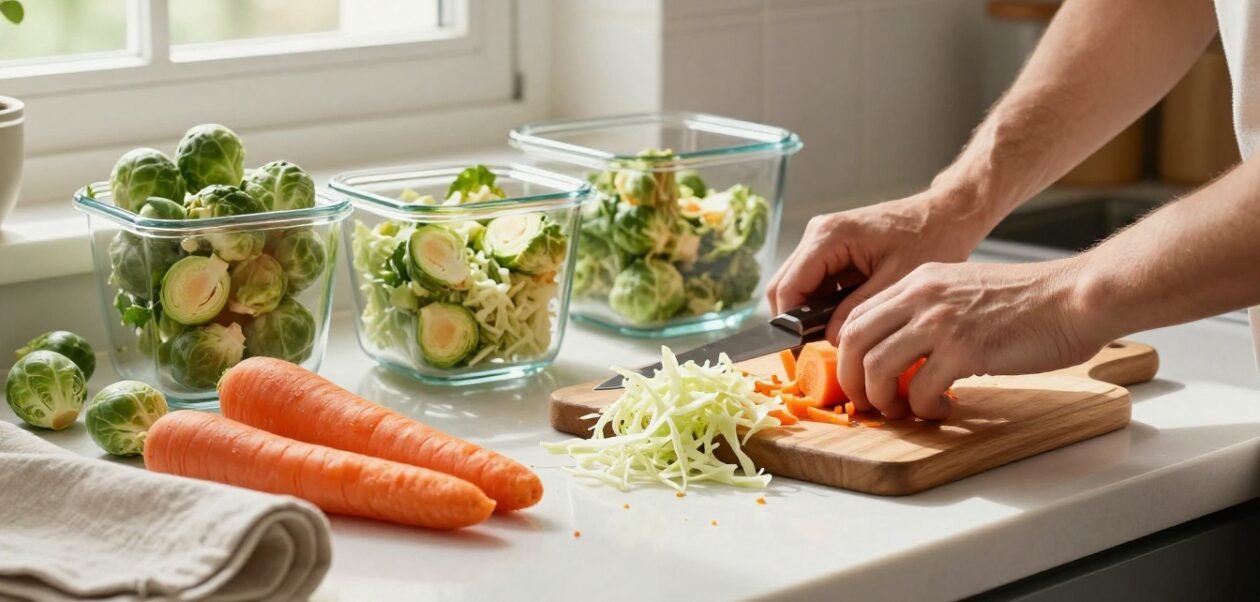
Getting dinner on the table after a busy day can leave little time for washing and chopping vegetables. A small amount of prep, such as washing and cutting sturdy carrots, cabbage, or Brussels sprouts, can help you start a sheet-pan dinner, soup, or skillet sooner.
You don’t need a full Sunday meal-prep routine or a fixed menu. With a few flexible ingredients ready, you can choose dinner based on your time and appetite. Here’s how to decide what to prep, store it safely, and turn ready-to-use vegetables into meals that fit the evening.
How to Prep Vegetables for Faster Weeknight Meals
A useful prep routine starts with a few vegetables you expect to cook, not every piece of produce in the refrigerator. Choose ingredients that can work in more than one meal, then leave enough whole so you can change dinner plans as the week unfolds.

Choose sturdy vegetables and prep only what you’ll use
Carrots, cabbage, Brussels sprouts, and potatoes hold up well when cut ahead. They can go into soups, skillets, or sheet-pan dinners, so you have a few easy starting points without assigning each ingredient to a specific recipe. Keep some whole; an uncut carrot or potato stays flexible for another meal.
Tender greens and fresh herbs are usually better washed, dried, or trimmed closer to serving. They can lose texture or freshness after cutting, especially if they sit in a damp container.
Before you start, take a moment to:
- Wash your hands, then clean the counter and tools.
- Sort the vegetables and set aside only what you’ll likely use.
- Gather clean, covered storage containers.
Most whole vegetables are best washed shortly before use. For vegetables you plan to cut ahead, rinse them under running water first, dry them well, then cut and refrigerate them promptly in a clean, covered container. The FDA’s produce safety guidance advises against washing produce with soap, detergent, or commercial produce wash.
Cut vegetables to match the cooking method
Cutting pieces to a similar size helps them cook more evenly, especially on a sheet pan. Smaller pieces cook faster, but the exact time depends on their size and the recipe, so check for tenderness as they cook.
Use small dice when you want vegetables to soften quickly in a skillet. Thin slices work well for a fast sauté, while evenly sized chunks suit roasting or soup. If you’re combining vegetables with different cooking times, cut slower-cooking potatoes or carrots smaller than tender vegetables, or add the tender ones later.
A little prep is enough to make the next meal easier. Store a few ready-to-cook vegetables, keep the rest whole, and decide how to use them when you know what the evening allows.
Make a simple prep plan that fits your week
A little batch prep can make dinner easier without filling your Sunday with cooking. Choose a few tasks that match the meals you expect to make, then leave the ingredients open to more than one use.

Keep a few mix-and-match ingredients ready
Prep by task instead of portioning a separate set of ingredients for every recipe. Wash and dry the produce you expect to use soon, chop one or two sturdy vegetables such as carrots or cabbage, and cook a pot of brown rice or barley if it fits your week. Store the components in separate covered containers so you can combine them when you know what sounds good.
A few convenient extras help fill out the meal: canned beans, frozen vegetables, pre-washed greens, and a simple sauce or dressing. The same chopped cabbage and carrots can top a grain bowl with rice and beans, soften in soup, or cook quickly in a skillet. Add them to pasta with sauce, tuck them into a wrap, or roast them on a sheet pan with tofu, chicken, or chickpeas.
Frozen vegetables work well in soups and stews, but they may release extra moisture as they heat. Start with a little less broth than the recipe calls for, then add more if the soup needs it.
Save time without assigning every ingredient a recipe
A small collection of ready-to-use ingredients gives you choices without locking dinner into a plan. Use a simple formula: vegetables plus beans, chicken, or tofu; rice, potatoes, or pasta; and a sauce or seasoning you like. Brown rice and roasted vegetables can become a bowl one night, then join broth and beans in a quick soup or skillet meal another night.
Start with what’s already in the refrigerator and pantry. A can of beans, frozen vegetables, or pre-cooked grains may be enough to round out dinner, so you can skip an extra shopping trip. Keep cut produce refrigerated promptly, and use separate boards and utensils for produce and raw meat. FoodSafety.gov’s food safety steps explain how to prevent cross-contamination while preparing meals.
Store prepped vegetables so they stay fresh and safe
Good storage helps cut vegetables stay ready to use without making them soggy or harder to handle. Keep them cold, covered, and separate from ingredients that could contaminate them. Since vegetables vary in moisture and texture, check each container as you plan meals rather than relying on one storage time for everything.

Keep greens, roasted vegetables, and toppings separate
Washing produce just before you use it is usually the simplest choice. If you wash greens ahead, dry them thoroughly with a salad spinner or clean towel before storing them in a covered container. Extra moisture can make leaves limp. A clean paper towel in the container can help absorb moisture, but replace it if it becomes wet.
Let roasted vegetables cool briefly, then transfer them to a shallow, covered container and refrigerate them. Keep them apart from tender greens, since warm vegetables can wilt leaves and add moisture. You don’t need to wait for cooked vegetables to reach room temperature before refrigerating them.
For salads and bowls, pack dressing, fresh herbs, and crunchy toppings separately. Add dressing close to serving time, and finish with nuts, seeds, croutons, or other crisp toppings just before eating. This small bit of separation helps each part keep its texture.
Use safe habits for knives, boards, and leftovers
Wash your hands with soap and water for at least 20 seconds before preparing vegetables. Start with clean knives, cutting boards, and containers. If a board or knife touched raw meat, poultry, or seafood, wash it with hot, soapy water before using it for produce.
Store cut or peeled vegetables in clean, covered containers in a refrigerator set to 40°F or below. Keep ready-to-eat produce on a shelf above raw meat, poultry, and seafood, so juices can’t drip onto it. Label containers with the prep date, then check their condition and use them based on the type of vegetable, how it was cut, and how well it was dried. There isn’t one shelf-life estimate that fits every vegetable.
Refrigerate cut produce within two hours, or within one hour when the temperature is above 90°F. Move cooked vegetables and other leftovers into shallow containers so they cool faster, then refrigerate them within the same time limits. Most cooked leftovers keep for three to four days; see the USDA’s leftover storage guidance for details.
Prep vegetables for the way you plan to cook dinner
Not every vegetable needs the same kind of prep. Think about how you plan to cook, then choose cuts and combinations that help the vegetables finish at about the same time.

Get sheet-pan vegetables ready to roast
Cut carrots, potatoes, squash, and Brussels sprouts into similar-size pieces so they cook evenly. After washing, dry the vegetables well, then toss them with a little oil and your preferred seasoning. Too much moisture can keep the surfaces from browning, so take a moment to pat them dry.
Sturdy vegetables make an easy base for a sheet-pan dinner. Pair potatoes and carrots with chicken, or roast squash and Brussels sprouts alongside tofu or sausage. Keep everything in a single layer, with a little space between pieces, so the vegetables roast rather than steam.
Some vegetables need more time than others. Start potatoes, carrots, or squash first, then add quicker-cooking ingredients such as mushrooms, green beans, or sliced bell pepper later. The exact timing depends on the size of the pieces, so check for tenderness as you cook. Seasonal choices work just as well: try sweet potatoes and Brussels sprouts in fall, or asparagus and zucchini when they’re in season.
Prep vegetables for soup, skillet meals, and bowls
For soup or a skillet, dice onions and carrots into small pieces so they soften quickly and make a useful starting point. Shredded cabbage and sliced mushrooms cook quickly, too, and fit well in a sauté with beans, noodles, or rice. Add tender greens such as spinach near the end. A few minutes is usually enough to soften them without making them limp.
A bowl is easy to adjust to the season and what you have. Choose two or three vegetables, such as roasted squash, shredded cabbage, or spinach, then pair them with brown rice, farro, or potatoes. Add chickpeas, white beans, or tofu for protein. If using leafy greens with warm grains, let the grains cool slightly first so the leaves stay fresh.
Finish with a sauce or a bright squeeze of lemon. You can drain and rinse canned chickpeas for a quick addition, or use another bean you have on hand. A few well-chosen ingredients are enough to make a filling bowl, without chopping every vegetable in the refrigerator.
Freeze extra vegetables for future quick dinners
Freezing is useful when you have more vegetables than you can use soon, but it doesn’t need to become a weekly task. A small batch of ready-to-cook vegetables can go straight into soups, stews, and skillet meals when the refrigerator is running low.
Blanch vegetables before freezing
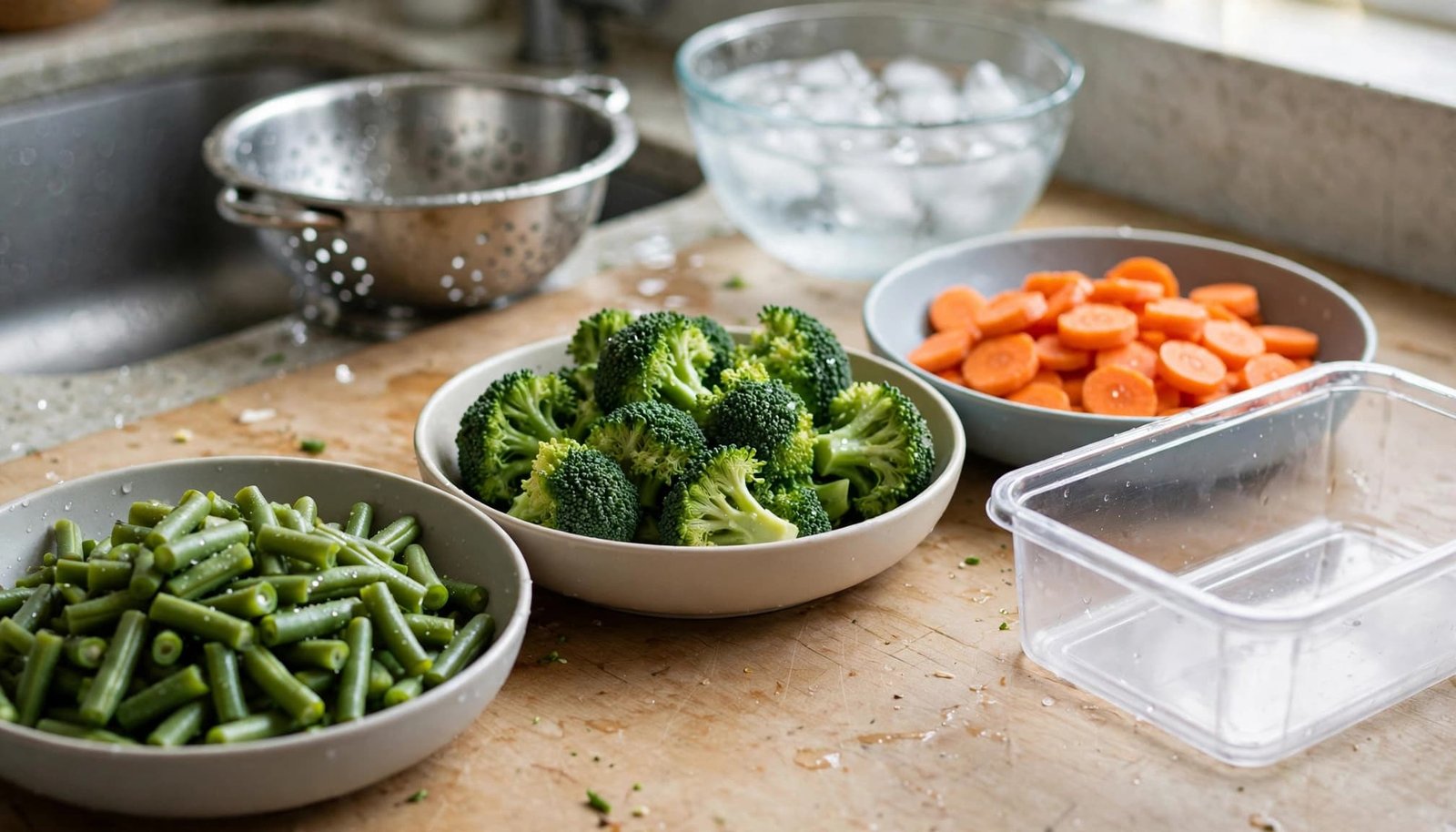
Many vegetables benefit from blanching, a brief boil or steam that helps preserve color and quality in the freezer. Wash the vegetables, trim off tough ends, and cut them to the size you’re likely to use. Blanch each kind for the time recommended for that vegetable and cut size, then transfer it to ice water to stop the cooking.
Drain the vegetables well before packing. Extra water can form ice crystals and make the pieces harder to use. Check the National Center for Home Food Preservation’s blanching times for specific guidance, since times vary by vegetable.
Portion and pack for easy dinners
Divide vegetables into amounts you’d use for one meal, then pack them in freezer-safe bags or containers. Flatten bags into thin layers so they stack neatly and thaw more quickly. Leave a little space at the top of containers if you’re freezing soup or another liquid, since it expands as it freezes.
Label each package with the vegetable and date, then freeze it at 0°F or below. An appliance thermometer can help you check the temperature. Frozen vegetables are especially handy in soups and stews, where a softer texture after thawing is less noticeable. Add them directly to the pot and allow a little extra time to heat through.
Turn your prep into an easy dinner routine
A small amount of prep can make dinner easier without turning the weekend into a full meal-planning session. Choose one or two vegetables, prepare one filling base, and keep a convenient protein or pantry staple ready. Then decide how to bring them together when you know what the evening allows.
Pick a few ingredients with more than one use
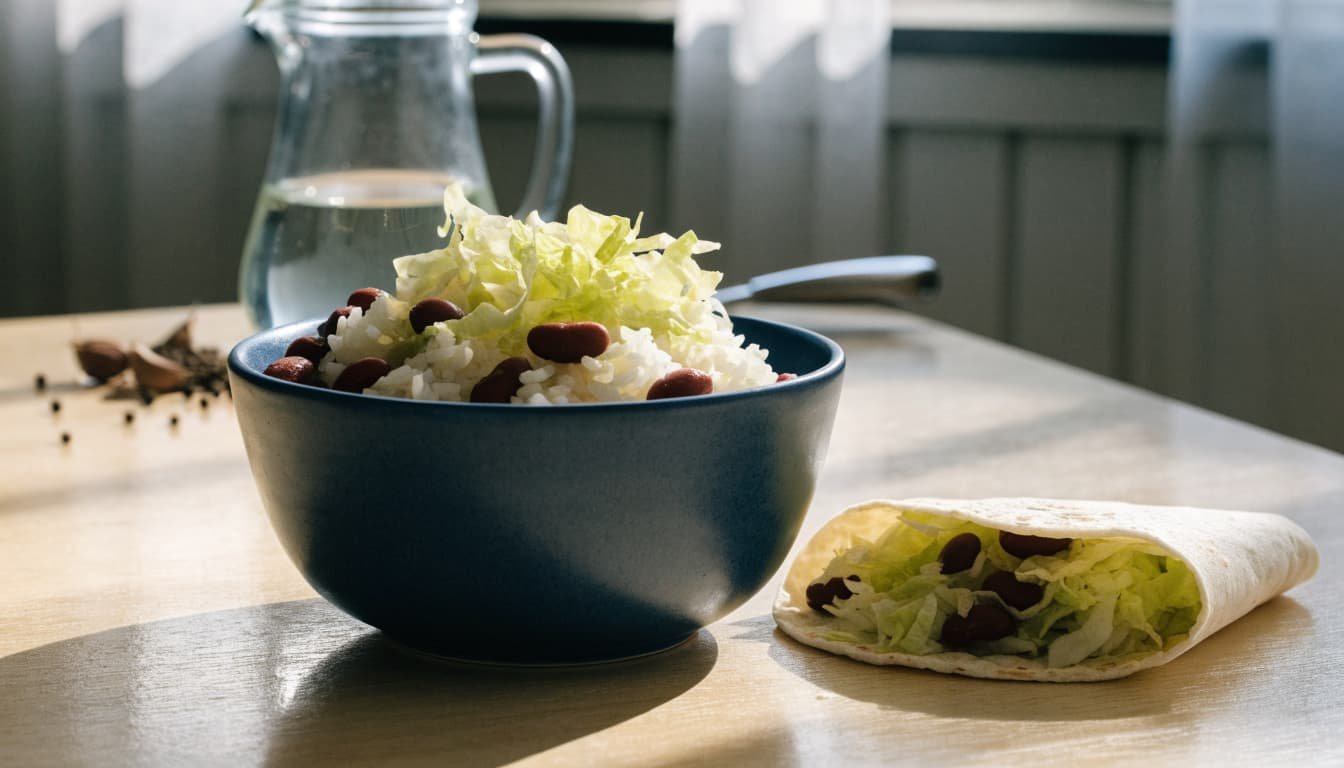
Shredded cabbage works in bowls, skillet meals, soups, and wraps. Pair it with cooked rice or another grain, then keep canned beans, chickpeas, or eggs on hand for a quick protein. Beans, peas, lentils, eggs, and other foods all fit within the protein group described in USDA MyPlate’s protein foods guidance.
Cooked rice can serve as the base one night and join a soup or skillet later in the week. You can also use a microwave grain pouch or another staple already in your pantry. Keep the combinations open, so one ingredient doesn’t tie you to a single recipe.
Change the format to fit the evening
Cabbage, rice, and beans can become a bowl with salsa, a squeeze of lemon, or a simple dressing. On another night, warm the ingredients together in a skillet with garlic and seasoning. If you want something easy to hold, spoon the mixture into tortillas and add a crunchy topping or sauce.
A few small additions can make the same ingredients feel different. Try herbs, grated cheese, salsa, or plain yogurt, and keep crunchy toppings separate until serving. Frozen vegetables, canned beans, and pre-washed greens can fill in when you need dinner with fewer steps.
Start with what you already have, then prep only what will make the next few meals easier. The goal is a useful head start, not a perfect meal plan.
Conclusion
A little vegetable prep can make weeknight meals easier without deciding every dinner in advance. Choose a few vegetables you enjoy, cut them to suit the way you plan to cook, and store them safely so they’re ready when you need them.
Start with one small task, such as chopping carrots or cabbage for the next meal. Build the habit around the week you actually have, and let a few flexible ingredients give you a useful head start.

- Christmas Cookie Ideas for Every Holiday Baker - November 9, 2026
- Christmas Cocktails: Party Drinks, Cozy Sips, and Mocktails - November 9, 2026
- 20 Christmas Appetizer Ideas for Every Holiday Spread - November 9, 2026


2 Comments