Tender chicken coated in a sweet, savory, garlicky sauce makes an easy weeknight dinner, and you can choose the cooking method that fits your evening. A skillet cooks quickly, the oven offers a hands-off option, and a slow cooker gives the sauce time to flavor the chicken.
These honey garlic chicken recipes vary in texture and timing, but a few small choices help each one turn out well. Compare the methods, get practical tips for choosing chicken, and learn how to make the sauce cling without overcooking the meat.
Honey Garlic Chicken Recipes for the Skillet, Oven, or Slow Cooker
Each cooking method gives honey garlic chicken a different texture. Choose the skillet when time is short, the oven when you’re making a larger batch, or the slow cooker when you want tender chicken that’s easy to shred.
Make a quick skillet version for a weeknight dinner
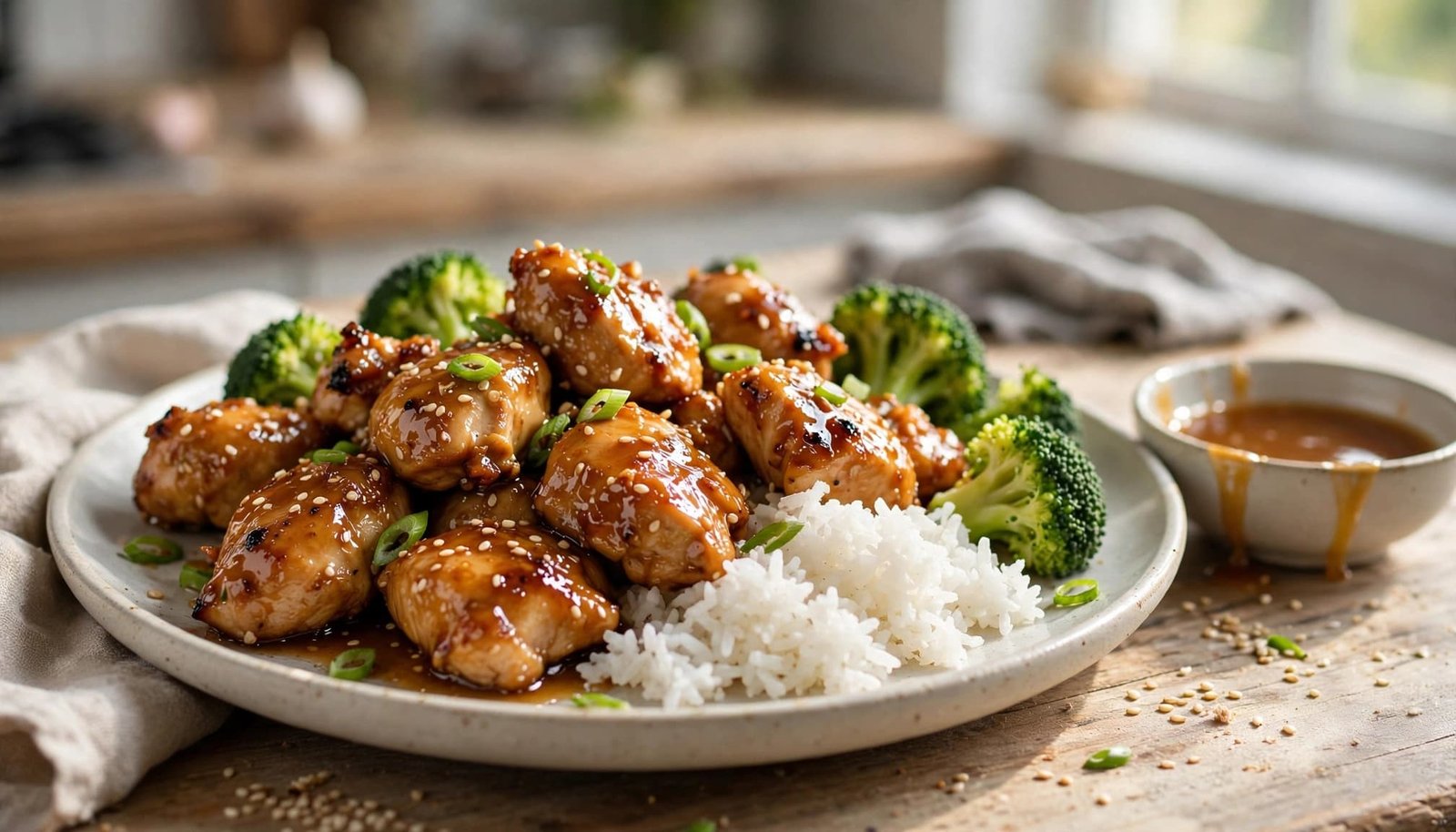
Cut boneless chicken into evenly sized pieces, pat them dry, then sear them in a hot skillet until golden on the outside. Work in batches if needed; crowding the pan can make the chicken steam instead of brown.
Pour in the honey garlic sauce and let it simmer with the chicken until the pieces are cooked through. Smaller pieces cook quickly, so check them early and use a food thermometer rather than relying on appearance. The FoodSafety.gov safe temperature chart recommends cooking chicken to 165°F (74°C).
For a glossy coating, transfer the chicken to a plate once it’s done and simmer the sauce for another minute or two. Return the chicken to the pan and turn it to coat.
Bake chicken thighs for a hands-off meal
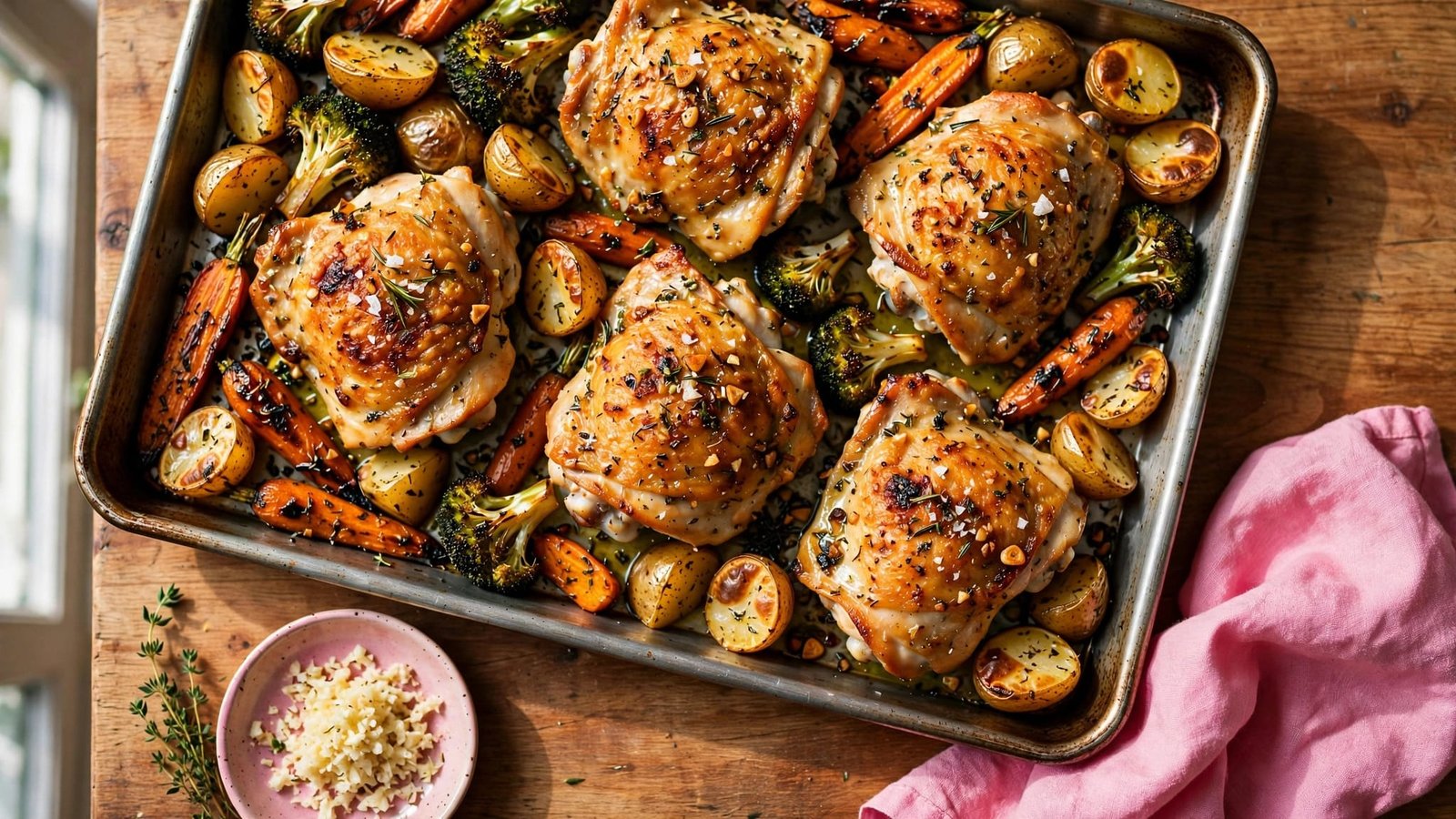
For a larger batch, arrange chicken thighs in a baking dish or on a sheet pan with the sauce. Bone-in thighs can be browned in a skillet first, then finished in a 400°F to 425°F oven. That quick browning adds color, while the oven cooks the chicken through and gives the skin a chance to crisp.
Boneless thighs need less time than bone-in cuts, so check them sooner. Cooking time depends on the size of the pieces and your oven. Take the chicken out when the thickest part reaches 165°F, and avoid leaving it in longer than needed; overcooking can dry it out. If the sauce begins to darken too quickly, cover the pan for most of the baking time and uncover it near the end.
Use the slow cooker for tender, easy-to-shred chicken
Add skinless chicken and honey garlic sauce to the slow cooker, then cook until the chicken is tender. Skinless cuts work better here because skin can turn soft during the long, moist cooking time. Keep the lid on while the chicken cooks, since lifting it lets heat escape.
The sauce may be thinner than you’d like when the chicken is ready. For a thicker finish, simmer it briefly in a saucepan, or stir a cornstarch slurry into the slow cooker and cook until the sauce thickens. Shred the chicken or serve it in pieces, then spoon the sauce over the top.
Choose the Best Chicken Cut and Build a Balanced Sauce
The cut affects how quickly the chicken cooks and how rich the finished dish tastes. A flexible honey garlic sauce lets you adjust the sweetness, salt, tang, and garlic to suit the cut and cooking method.

Chicken breasts and thighs each have a different strength
Boneless chicken breasts are lean and mild, and they cook quickly in a skillet or oven. Their lower fat content means they can dry out if left on the heat too long, so check them early, especially when pieces are thin or uneven. Cutting the breasts into similar-sized portions helps them cook at the same pace.
Thighs have a little more fat and a richer flavor. They’re more forgiving if cooking takes a few extra minutes, and they tend to stay juicy in the skillet, oven, or slow cooker. Choose whichever cut you enjoy; just allow for the size and whether it has a bone.
Bone-in pieces take longer to cook than boneless ones, so don’t rely on a recipe’s timing alone. Check the thickest part with a food thermometer, keeping the probe away from the bone. Chicken is safe at 165°F (74°C), according to the USDA’s safe temperature chart.
Mix honey, garlic, soy sauce, and a little acid
For a practical starting point, combine about ¼ cup honey, 2 to 3 tablespoons low-sodium soy sauce, 2 to 3 minced garlic cloves, and 1 tablespoon rice vinegar, apple cider vinegar, or lemon juice. Stir in a few tablespoons of water or broth if you want a thinner sauce. Add a pinch of chili flakes or a little chili sauce for heat.
Taste before adding the sauce to the chicken. If it’s too sweet, add a little more vinegar or lemon juice. If it tastes too sharp, stir in a bit more honey. Add soy sauce gradually if you want more savory depth, and use extra garlic for a stronger bite. A splash of broth or water can soften the saltiness while thinning the mixture.
There’s no single correct ratio. Start with less soy sauce or acid, then adjust in small amounts until the flavors feel balanced. That gives you a sauce that complements lean breast meat without overwhelming it, while still standing up to the richer flavor of thighs.
Cook Honey Garlic Chicken So It Stays Juicy and the Sauce Shines
A few steady steps help honey garlic chicken turn out well in a skillet, oven, or slow cooker. Prep the chicken while it stays cold, cook it until it reaches a safe temperature, then finish the sauce without letting the honey scorch.

Brown the chicken without crowding the pan
Pat chicken dry with paper towels, then season it before cooking. Surface moisture can keep it from browning, while a little salt and pepper give each piece a good start. Keep raw chicken refrigerated until you’re ready to cook, and wash your hands and any surfaces that touch it.
For skillet cooking, arrange chicken in a single layer with space between the pieces. If they touch or the pan looks crowded, sear in batches. The chicken will brown instead of steaming, and the golden bits left in the pan add savory flavor to the sauce. Let the first side brown before turning it; if it sticks, give it another moment.
Add the garlic after browning, or sauté it briefly over lower heat. Garlic can burn in a very hot pan and turn bitter. In the oven or slow cooker, follow the recipe’s order for adding ingredients, since cooking times and moisture levels differ.
Thicken the sauce without making it too sweet
A gentle simmer lets some liquid evaporate, which concentrates the sauce and helps it cling to the chicken. If you want a thicker finish quickly, stir a little cornstarch into cold water, then add the slurry gradually and simmer until the sauce thickens.
With skillet cooking, add the sauce near the end, once the chicken is nearly cooked. Honey can scorch over high heat, so lower the heat and stir as the sauce bubbles. Slow-cooker sauce may need to be transferred to a saucepan and simmered separately if it’s too thin.
Taste before adding extra honey or soy sauce. A little vinegar or lemon can balance sweetness, while a splash of water or broth can soften saltiness and loosen a thick sauce. Adjust in small amounts so the garlic, honey, and savory notes stay balanced.
Check the center with a food thermometer
Cooking time varies with the cut, thickness, and method. Thin breast pieces may cook much faster than thick breasts or bone-in thighs, and slow cookers can vary, too. Start checking near the end of the expected cooking time. Color and texture alone can’t reliably tell you whether chicken is done.
Use an instant-read thermometer in the thickest part of each piece, without touching bone. Chicken should reach 165°F (74°C). See the USDA’s guidance on food thermometers for tips on checking temperature accurately.
Once the chicken reaches 165°F, let it rest briefly before serving so the juices settle. Spoon the glossy sauce over the top, and refrigerate leftovers within two hours.
Adjust the Recipe for Lighter Meals, More Flavor, or What You Have
Honey garlic chicken is easy to adjust without losing its sweet, savory flavor. Make small changes to the sauce, add vegetables, or use a different cut based on what’s in your kitchen.
Make it less sweet, lower in sodium, or a little spicy
If the sauce tastes too sweet, use a little less honey and add a splash of vinegar or lemon juice. The extra tang balances the sweetness without masking the garlic. Start with a small amount, stir, and taste before adding more.
For less sodium, choose low-sodium soy sauce or tamari. Brands vary in saltiness, so add the sauce gradually and taste before seasoning further. If you want more heat, stir in chili flakes or a little sriracha. Add it sparingly at first, especially if you’re serving different spice preferences at the table.
Add vegetables or swap in another cut
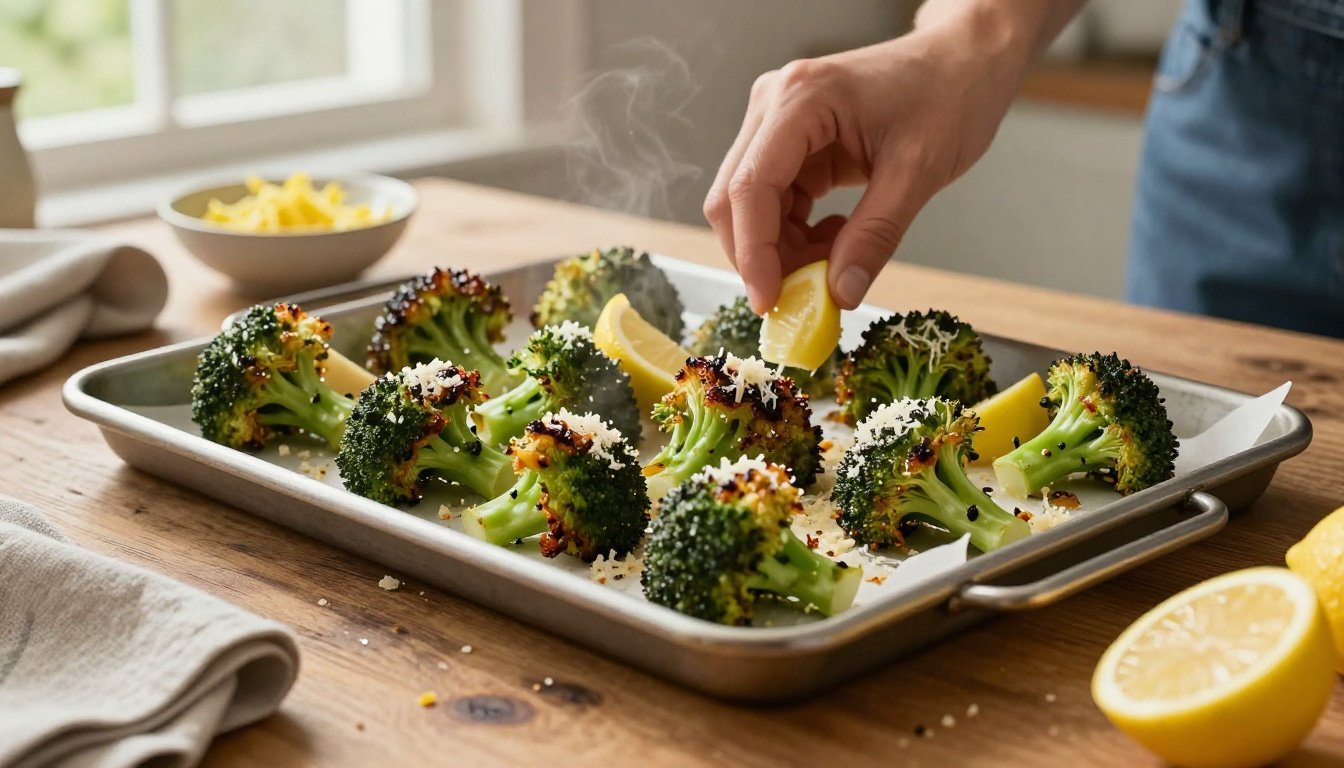
Broccoli florets, bell peppers, and snap peas bring color and crunch to the meal. Add them near the end of cooking so they soften slightly but keep some bite. If the pan is crowded, cook the vegetables separately and serve them alongside the chicken.

Chicken breast is a leaner option than thighs, though it can dry out if it cooks too long. Cut it into even portions and check the thickest part with a food thermometer. The USDA’s safe temperature chart recommends cooking poultry to 165°F (74°C).
You can also use cooked chicken in a quick noodle bowl or fried rice with vegetables you already have. Cook the vegetables and sauce first, then add the chicken just long enough to warm it through. That keeps it tender while giving the meal a fresh use for leftovers.
Serve, Store, and Reheat Honey Garlic Chicken Without Losing Flavor
A few simple sides make honey garlic chicken feel like a complete meal, and careful storage keeps the sauce and chicken enjoyable the next day. Serve only what you need, then refrigerate the rest promptly.
Pair it with rice, vegetables, or a fresh side
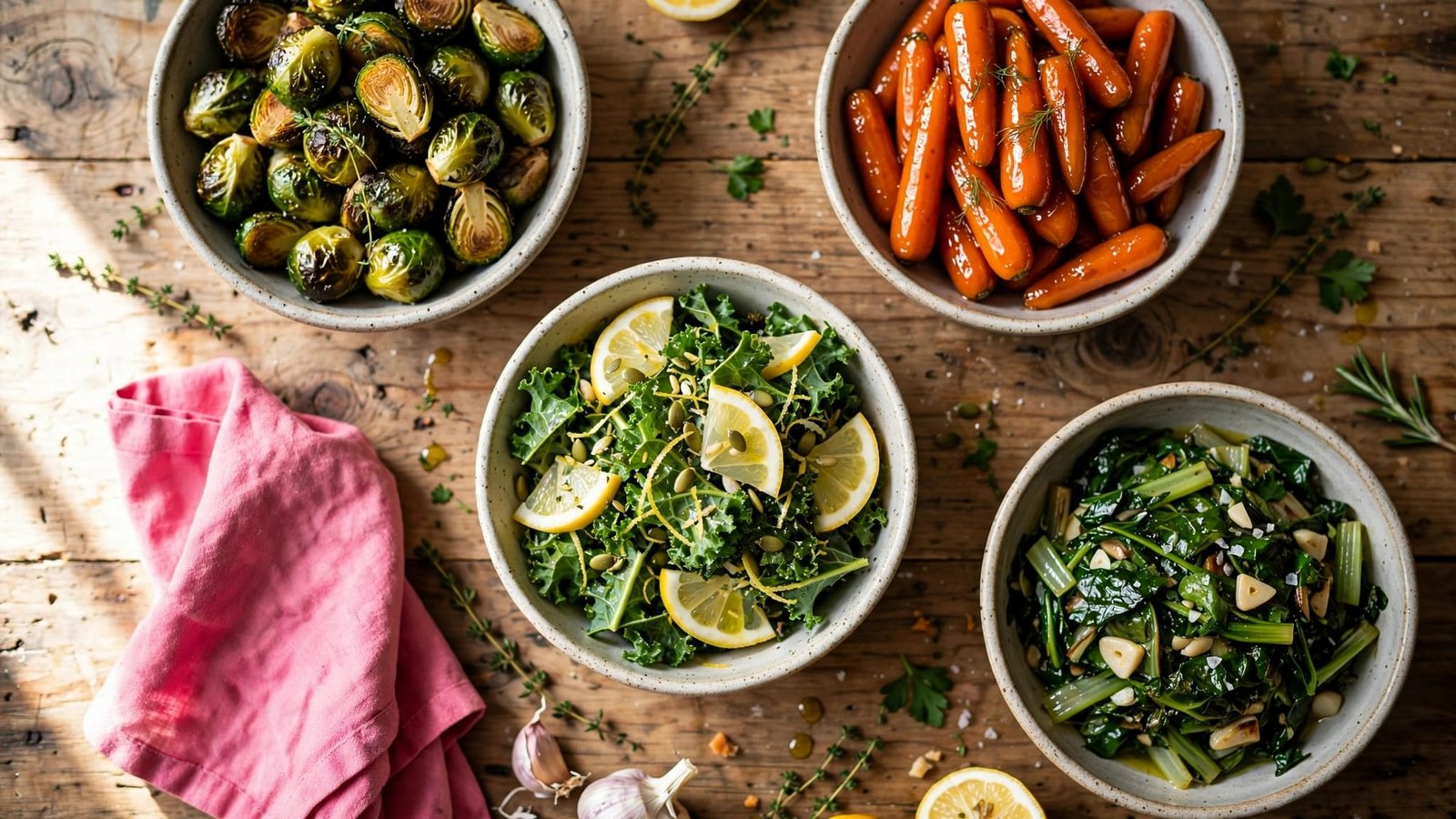
Rice or noodles make an easy base for honey garlic chicken because they catch the extra sauce. Add steamed broccoli, green beans, or roasted carrots for color and balance. For a lighter plate, serve the chicken with a crunchy salad of cabbage, cucumber, or leafy greens.
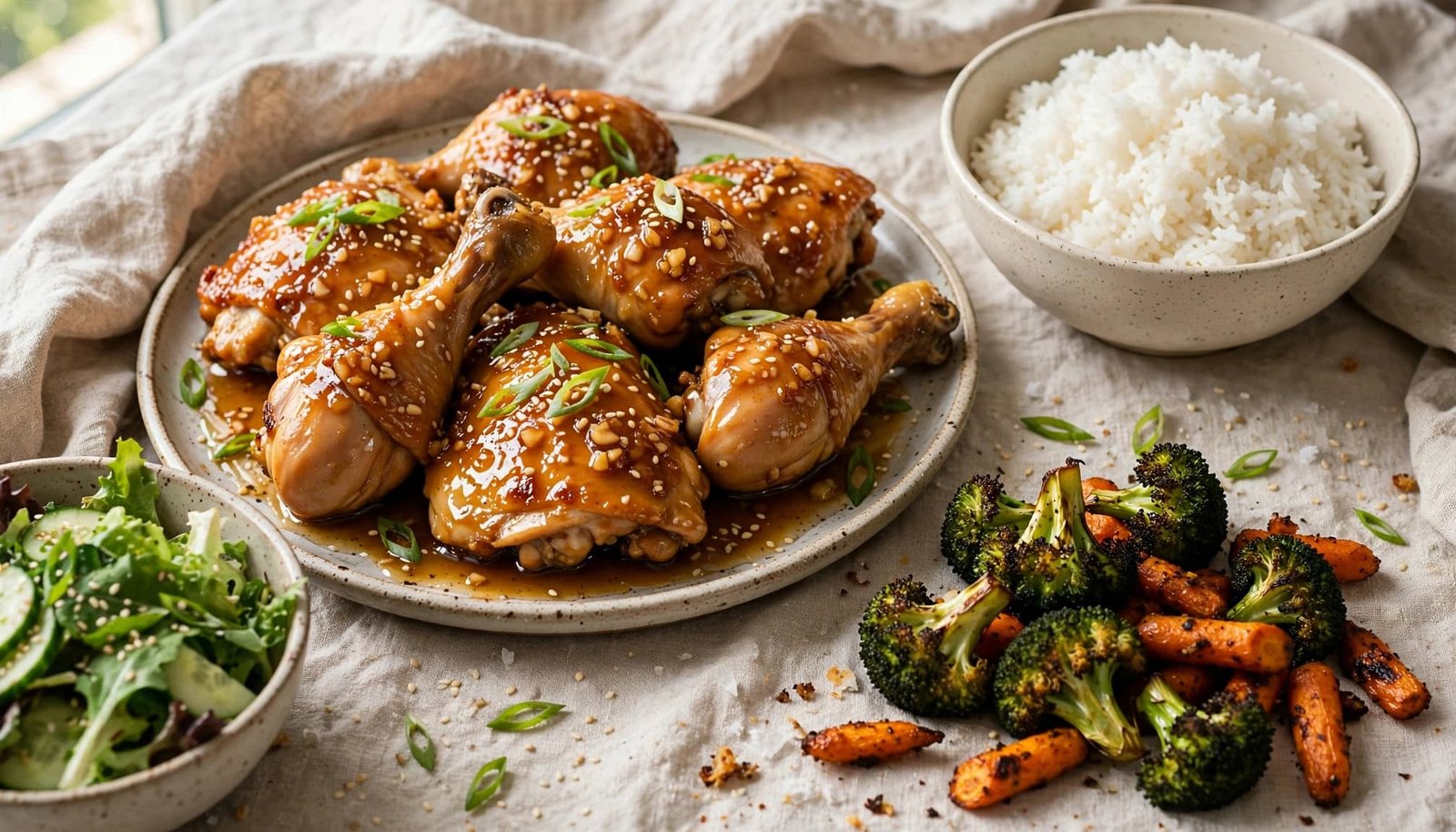
A sprinkle of sesame seeds or sliced green onions adds a fresh finish. If you have extra chicken, slice it over a quinoa or brown rice bowl with leftover vegetables, or tuck it into a wrap with crisp greens and cucumber. Add a little sauce or dressing so the chicken stays moist.
Keep leftovers safely and reheat them gently
Refrigerate cooked chicken in a covered, shallow container within two hours of cooking or serving. If the temperature is above 90°F, refrigerate it within one hour. Use refrigerated leftovers within three to four days, following the USDA’s guidance on leftover food safety.
Reheat only the portion you plan to eat, and warm it on the stovetop, in the oven, or in the microwave. Add a splash of water, broth, or sauce if the honey garlic sauce has thickened. Cover the dish in the microwave, stir or rotate the chicken partway through, and check several spots with a food thermometer. Leftovers should reach 165°F throughout. A slow cooker heats too gradually to reheat leftovers safely.
For longer storage, freeze chicken in covered portions and thaw it in the refrigerator, or reheat it from frozen until it reaches 165°F. For the best flavor and texture, use frozen portions within about two to six months.
Conclusion
Skillet, baked, and slow-cooker honey garlic chicken recipes can all make a flavorful meal when you match the method to the cut. Start with a balanced sauce, check the chicken with a food thermometer, and adjust the sweetness or heat to suit your table.
If you have extra chicken, use it in one of these easy leftover chicken recipes. A few simple choices help make dinner reliable, flexible, and easy to enjoy.

- Christmas Cookie Ideas for Every Holiday Baker - November 9, 2026
- Christmas Cocktails: Party Drinks, Cozy Sips, and Mocktails - November 9, 2026
- 20 Christmas Appetizer Ideas for Every Holiday Spread - November 9, 2026