Gingerbread’s cozy mix of molasses and warm spice makes a simple cake feel like a treat, whether you’re baking for family or sharing it with friends. This guide starts with an easy old-fashioned cake, then helps you choose a gingerbread bake that fits the occasion and get dependable results.
You’ll find practical tips for balancing spice, choosing the right format, and serving each bake at its best. First, let’s make a tender square cake that’s a welcoming place to start.
Gingerbread recipes begin with this easy, old-fashioned cake
This simple square cake is a good starting point for homemade gingerbread recipes. Molasses gives it a rich flavor and tender crumb, while ginger and cinnamon bring gentle warmth. Serve it plain, with a dusting of powdered sugar, or alongside whipped cream.
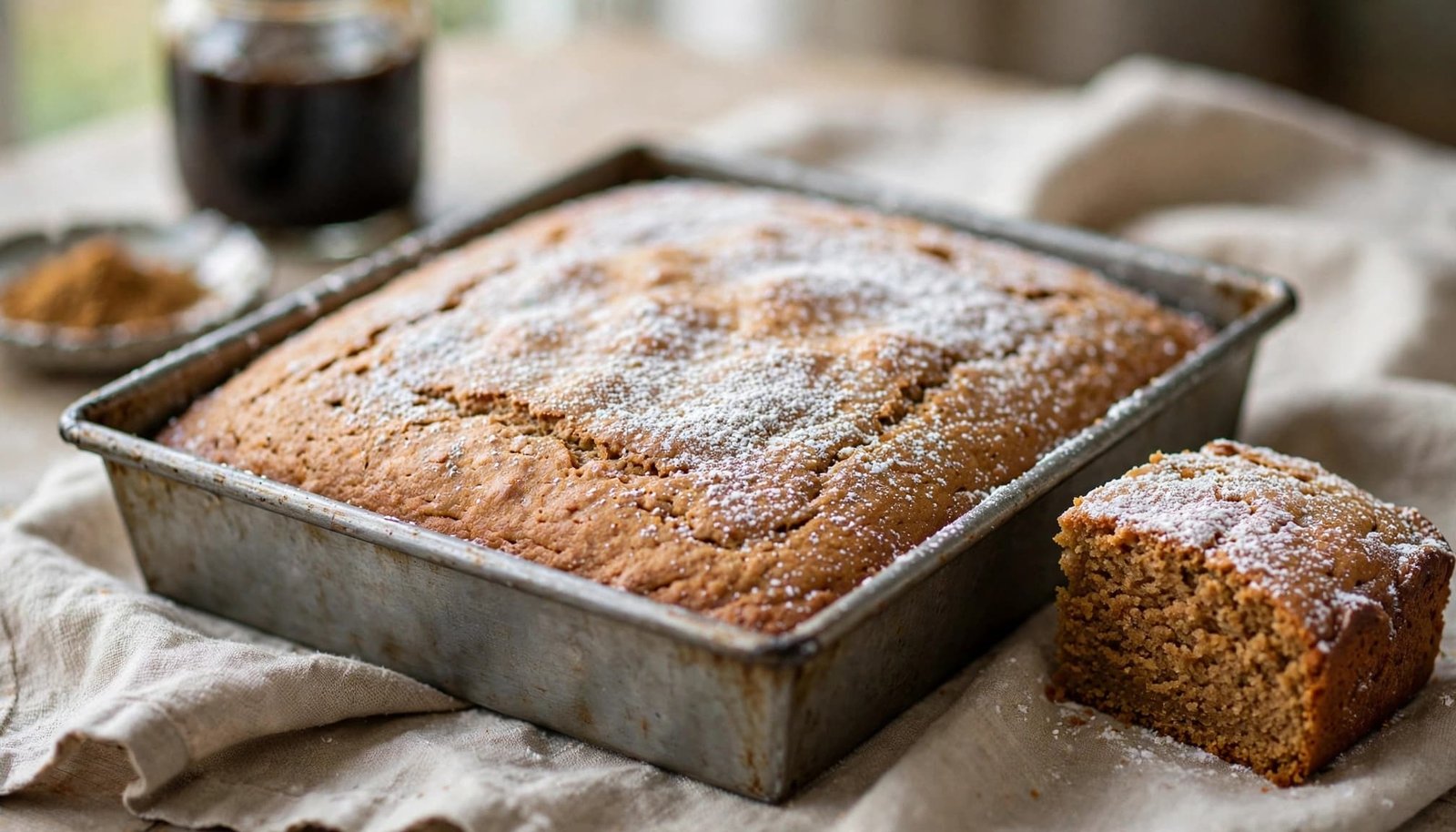
What you’ll need for a warmly spiced cake
Use regular unsulfured molasses for a balanced, classic taste. Blackstrap molasses is darker and more bitter, and its strong flavor can overwhelm this cake.
Ingredients
- 2¼ cups all-purpose flour
- 1 teaspoon baking soda
- ½ teaspoon salt
- 1 teaspoon ground ginger
- 1 teaspoon ground cinnamon
- ½ cup butter, softened
- ⅓ cup granulated sugar
- 1 cup unsulfured molasses
- 1 large egg
- 1 cup boiling water
Each ingredient has a job. Flour provides the cake’s structure, while butter adds richness and helps keep the crumb tender. Sugar sweetens the batter, and the molasses brings its signature flavor, color, and moisture.
The egg helps bind the ingredients and supports the cake’s structure. Boiling water loosens the thick molasses and helps create a smooth batter. Baking soda gives the cake lift, while ginger and cinnamon supply its familiar spice.
Measure carefully, especially the flour and baking soda. Too much flour can make the cake dense, and excess leavening can affect its texture and rise. For consistent results, fluff the flour, spoon it into the measuring cup, then level it off. King Arthur’s flour-measuring guide shows this method.
How to mix, bake, and check the cake
- Heat the oven and prepare the pan. Set the oven to 325°F. Grease a 9-inch or 10-inch square baking pan, then dust it lightly with flour or line the bottom with parchment.
- Combine the dry ingredients. In a medium bowl, whisk together the flour, baking soda, salt, ginger, and cinnamon. Mixing them first helps distribute the spices and leavening evenly.
- Mix the butter and sugar. In a large bowl, beat the softened butter and sugar until creamy. Add the molasses and egg, then mix until the batter looks smooth.
- Make the batter. Add the flour mixture in portions, alternating with the boiling water. Stir gently after each addition, just until the ingredients come together. The batter will be thinner than many cake batters. Avoid overmixing once the flour goes in, since that can make the finished cake tougher.
- Bake until done. Pour the batter into the prepared pan and bake for 45 to 50 minutes. Begin checking near the lower end of that range. Insert a toothpick into the center; it should come out clean or with a few moist crumbs, but no wet batter.
The exact bake time can shift with pan size and oven differences. A wider pan makes a thinner cake that may bake sooner, while a smaller pan leaves the batter deeper. If the center still looks wet, return the cake to the oven and check again after a few minutes.
Let the cake cool in the pan before slicing. The crumb needs time to set, so cutting too soon can leave the middle sticky or crumbly.
Choose a gingerbread bake that suits your plans
Gingerbread comes in more than one texture and shape, so choose a style that fits the occasion and the time you have. Cookies are easy to share or decorate, cakes work well for snacks and gatherings, and a gingerbread house turns baking into a hands-on project.
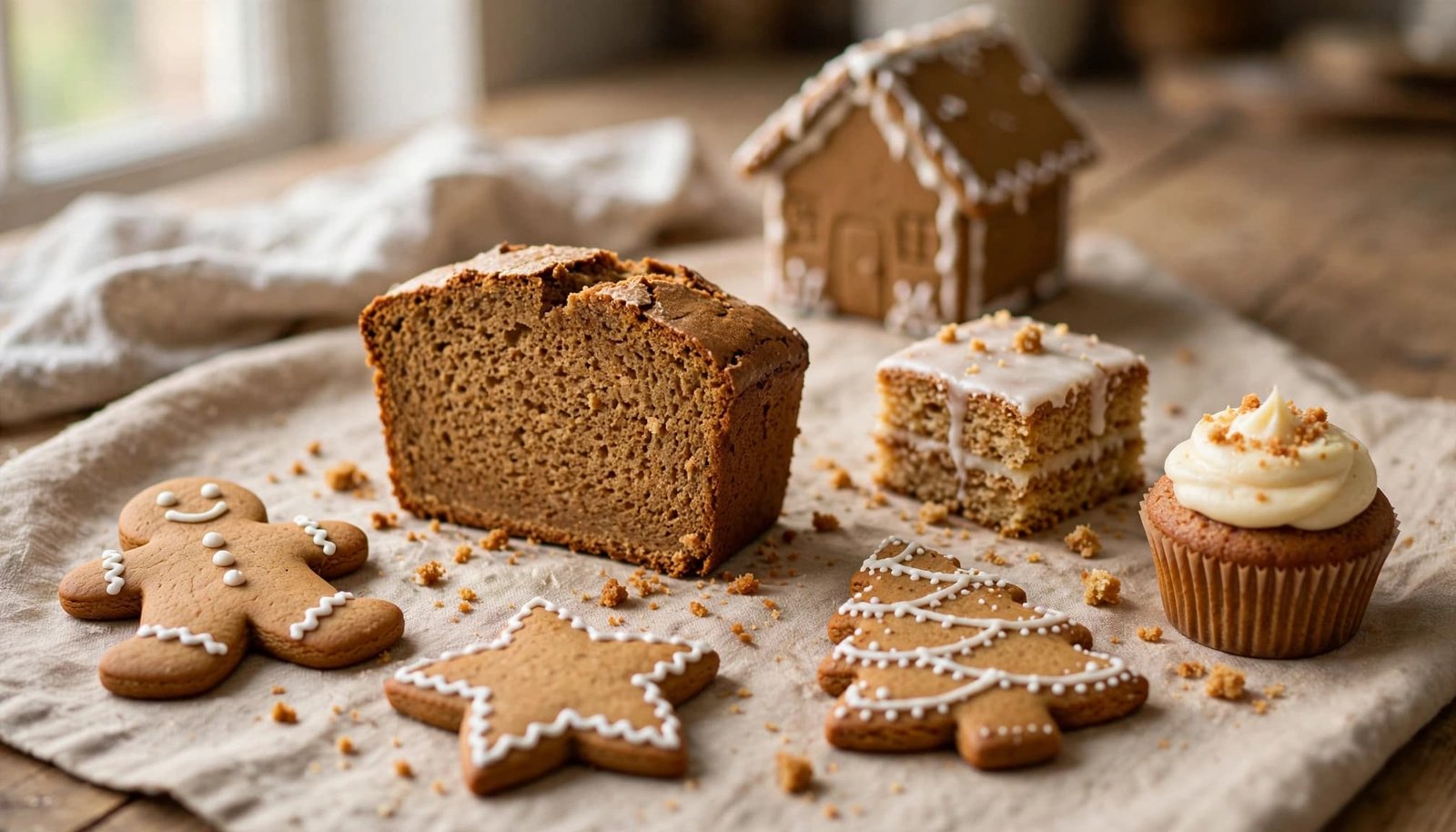
Gingerbread cookies for decorating or sharing
For cutout shapes that keep their edges, choose a recipe designed for crisp, sturdy gingerbread cookies. These hold up better when you move them from the baking sheet, decorate them with icing, or pack them for sharing. A simple outline or a few dots of icing adds a festive touch without requiring elaborate decorating.
If you prefer a softer cookie, look for a recipe that promises a chewy texture. Those cookies make an easy treat for a snack plate, though their softer centers may not suit detailed cutout designs as well. The dough may need chilling, especially when the cookies must hold a precise shape, but chilling instructions vary by recipe. Follow the recipe’s guidance, and use its stated bake time and doneness cues rather than applying one timing to every cookie style.
Gingerbread loaf, snack cake, and cupcakes
Gingerbread loaf is easy to slice and serve for breakfast, an afternoon snack, or a casual dessert. Its shape makes it convenient to wrap and share, and each slice gives you a good balance of tender crumb and warmly spiced flavor.
For a group, a sheet cake or snack cake is practical because you can cut portions right in the pan. Choose this format when you want a simple dessert without shaping individual pieces. Cupcakes offer a similar flavor in individual servings, which can be handy for parties, lunchboxes, or a dessert table.
Although these cakes use familiar gingerbread flavors, their pan sizes and batter depths differ. A loaf pan holds batter more deeply than a shallow sheet pan, while cupcakes bake in small individual portions. As a result, baking times vary. Follow a tested recipe for the pan it specifies, and rely on its doneness cues, such as a toothpick test or a firm center.
A gingerbread house for a hands-on project
A gingerbread house takes more planning than a batch of cookies or a simple cake. You’ll need to bake separate pieces, let them cool, assemble the walls and roof, then decorate the finished structure. It’s a good choice when the building and decorating are part of the fun, rather than when you need a quick dessert.
House dough needs to bake firm enough to support the structure. Soft gingerbread cake batter is made for a tender crumb, so it won’t work as a substitute for pieces that must stand upright. Use a recipe made specifically for building, and follow its instructions for rolling and cutting the panels. King Arthur Baking’s gingerbread house guide offers practical guidance for making pieces that fit together.
For a quick treat, bake a loaf or snack cake. Choose cookies when you want something portable or easy to decorate, and save the house for a day when you have time to assemble it.
Get deeper spice and a tender, moist crumb
The best gingerbread balances the bold taste of molasses with warming spices and a soft, even crumb. Small changes can shift that balance, so adjust flavors only when the recipe allows them, and follow its directions for liquids, mixing, and baking.
Balance molasses, ginger, and warming spices
Ground ginger gives gingerbread its signature bite. Cinnamon rounds out the flavor, while nutmeg and cloves add a deeper warmth. The amounts vary by recipe, so taste and aroma depend on the particular blend rather than a single standard ratio.
For a brighter ginger note, add a little freshly grated ginger or diced crystallized ginger if the recipe supports it. Crystallized ginger also brings small sweet, spicy pieces to the crumb. King Arthur Baking’s gingerbread cake recipe combines ground and crystallized ginger with cinnamon, nutmeg, and cloves.
Regular unsulfured molasses is a dependable choice for classic gingerbread cake. It gives the batter its deep, sweet flavor without overwhelming the spices. Blackstrap molasses has a much stronger, more bitter taste, so it can overpower many cakes. Use it only when a recipe specifically calls for it.

Use the right mixing method and don’t overbake
Gingerbread cake recipes use different liquids and mixing methods. Some, like the square cake above, call for boiling water; others rely on buttermilk or another cultured dairy ingredient. These liquids affect the batter, so don’t swap one for another unless the recipe gives that option.
Once you add flour, mix gently and stop as soon as the batter comes together. Overmixing can develop more gluten, which may leave the cake tough instead of tender. If the recipe tells you to alternate flour with liquid, follow that order rather than combining everything at once.
Pan placement also matters. Set the pan on the oven’s center rack so heat can circulate around it. Since pan size and batter depth affect baking time, use the recipe’s timing as a guide and begin checking near its lower end.
Doneness cues depend on the recipe. A toothpick inserted in the center may come out clean or with a few moist crumbs, while some cakes are ready when the edges pull slightly from the pan. Follow the cue specified for your recipe, and avoid waiting for the surface to look dry if the center is already done. The cake will continue to set as it cools in the pan, helping preserve a moist crumb.
Finish, serve, and store gingerbread with ease
A simple topping can make gingerbread feel special without taking attention away from its molasses and spice. Keep add-ins modest, too, and follow the recipe when changing ingredients so the cake stays tender.
Try simple toppings and easy flavor changes
For an easy finish, dust the cooled cake with powdered sugar just before serving. Whipped cream adds a light, creamy contrast, while cream cheese frosting gives each slice a richer finish. You can also serve the topping on the side so everyone can choose how much they want.
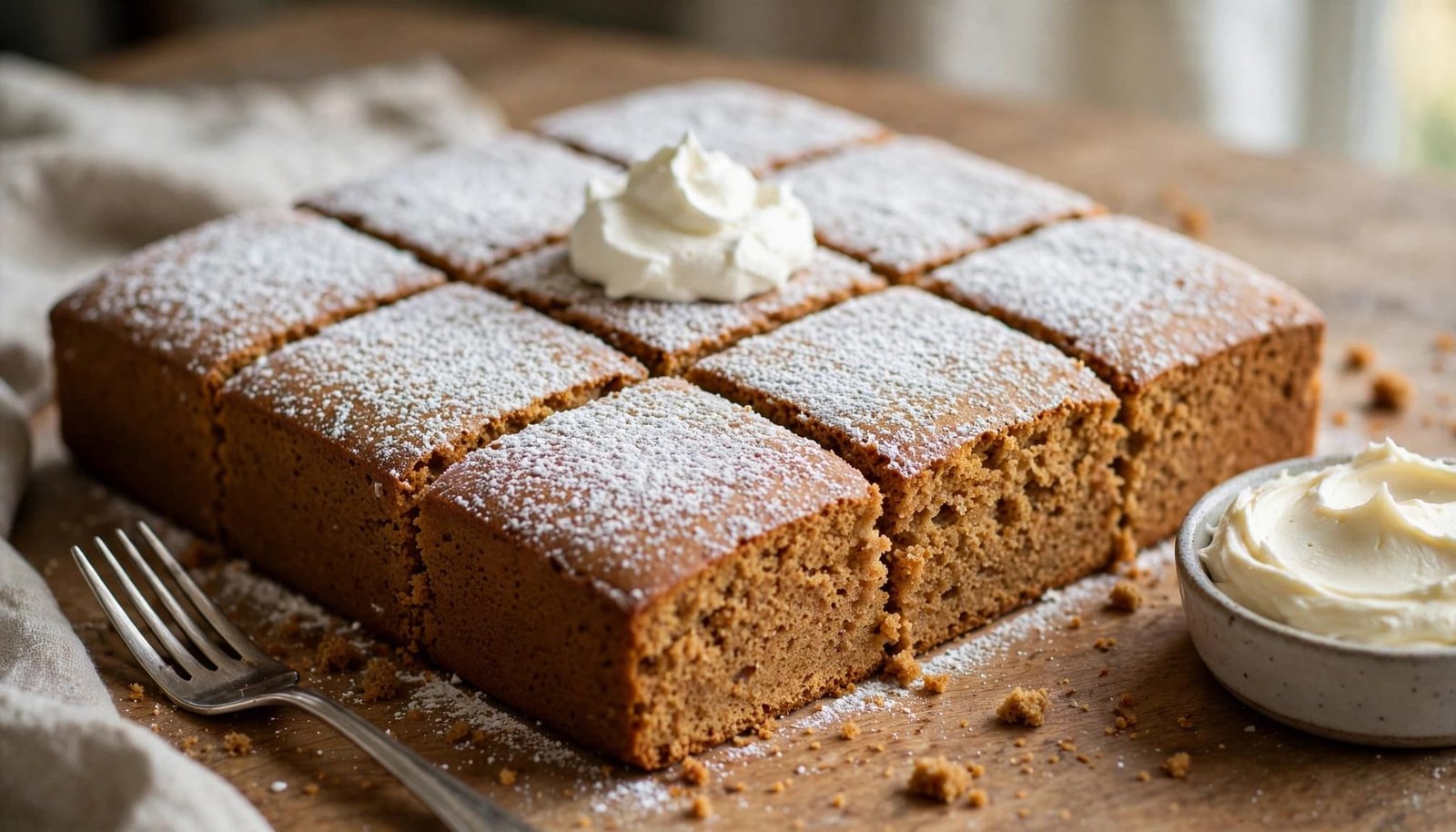
If you want a small flavor change, let the recipe guide you. Some gingerbread cake recipes allow brewed coffee in place of water, which adds depth without pushing the familiar spices aside. For example, King Arthur’s gingerbread recipe offers water or cooled coffee and includes optional crystallized ginger or diced apricots.
Crystallized ginger brings sweet, spicy bites to the crumb, while dried fruit adds a chewy contrast. Use these additions only when the recipe allows them, and measure the amount it recommends. Avoid changing the flour, liquid, or leavening to suit an add-in unless the recipe gives specific guidance. The ginger, cinnamon, and other spices should remain the main flavor.
Keep leftovers fresh and serve them at their best
Let the cake cool completely before covering it. Wrapping a warm cake traps steam, which can make the surface damp; once cool, wrap it tightly or place it in an airtight container to help limit drying.
An unfrosted gingerbread cake can often stay covered at room temperature for a few days. However, storage times vary by recipe, so follow the directions for that specific cake. Frosted bakes need more care: cream cheese frosting, for instance, may call for refrigeration. Check the recipe’s storage guidance rather than applying the same rule to every gingerbread dessert.
Loaves, cupcakes, and cookies may have different storage needs than a square cake, especially when they include frosting or fillings. Keep each bake in the container and conditions its recipe recommends. If you’re serving a stored cake, bring it to the temperature suggested by the recipe so its texture and topping hold up well.
Gingerbread is lovely plain, but a gentle warm-up can make a slice feel freshly baked. Warm individual portions briefly, then add whipped cream or another topping after heating. For frosted cake, serve it as directed instead of warming it automatically, since heat can soften or melt the frosting.
Conclusion
This simple gingerbread cake is a welcoming starting point for homemade gingerbread recipes. Once you’re comfortable with its tender crumb and warm molasses flavor, cookies, loaves, and decorated bakes offer easy ways to match the recipe to the occasion.
Choose the style that suits your plans, then enjoy the baking at your own pace. A familiar cake or a decorated treat can make the kitchen feel a little warmer.
Save the pin for later


- Christmas Cookie Ideas for Every Holiday Baker - November 9, 2026
- Christmas Cocktails: Party Drinks, Cozy Sips, and Mocktails - November 9, 2026
- 20 Christmas Appetizer Ideas for Every Holiday Spread - November 9, 2026