Warm spices, brown sugar, and molasses give gingerbread cookies their classic flavor, while a well-chilled dough helps them keep their shape for decorating. With a few practical pointers, you can roll and cut the dough without a sticky mess, then bake cookies with edges that hold and centers that suit your preferred texture.
We’ll walk through each step, from chilling the dough to icing the cooled cookies, so you can make a batch that’s ready for your favorite cutters.
Gingerbread Cookies: Ingredients and Step-by-Step Recipe
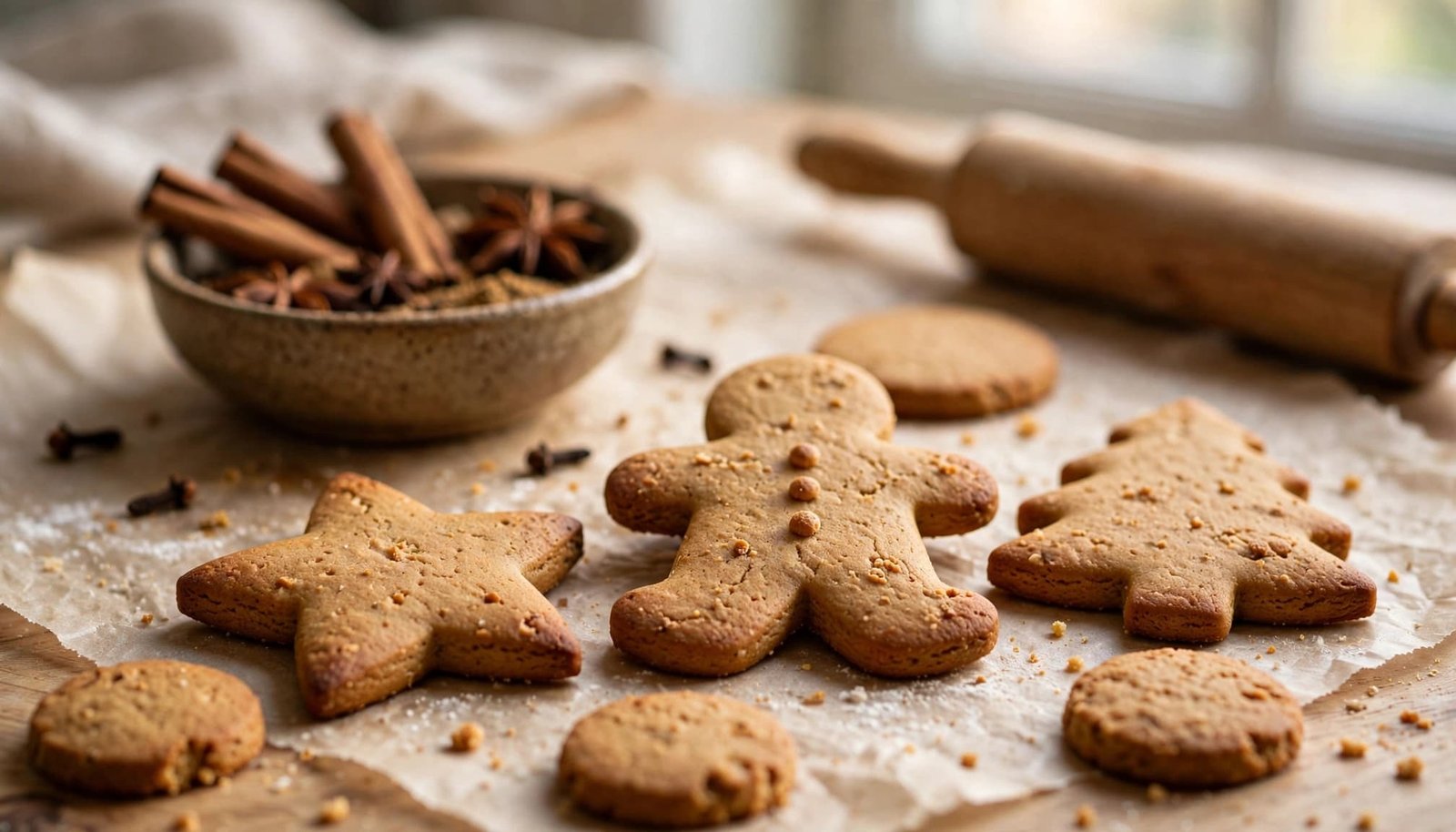
This gingerbread cookie dough is rich with molasses and warm spices, yet firm enough to roll and cut once chilled. It makes about 24 medium cookies, depending on your cutters.
What You’ll Need for Spiced, Molasses-Rich Dough
Use unsulphured molasses for a mellow, rich flavor. Blackstrap molasses can taste stronger and more bitter.
- 3 cups all-purpose flour
- 1 teaspoon baking soda
- 2 teaspoons ground ginger
- 1 teaspoon ground cinnamon
- 1/4 teaspoon ground cloves
- 1/2 teaspoon salt
- 3/4 cup unsalted butter, softened
- 3/4 cup packed brown sugar
- 2/3 cup unsulphured molasses
- 1 large egg
Butter and brown sugar add tenderness and flavor, while molasses gives the dough its deep color and distinctive taste. Ginger, cinnamon, and cloves create the classic spice profile.
Mix, Chill, Roll, and Bake the Cookies
Prep time: 20 minutes
Chill time: At least 1 hour
Bake time: 8 to 10 minutes per pan
The dough may feel soft before chilling, but it should firm up in the refrigerator. Avoid adding lots of extra flour, which can make the baked cookies dry. This method follows the practical chill-and-roll approach in King Arthur Baking’s gingerbread cookie recipe.
- Whisk the flour, baking soda, ginger, cinnamon, cloves, and salt in a medium bowl.
- In a separate large bowl, beat the softened butter and brown sugar until creamy.
- Mix in the molasses and egg until smooth. Scrape down the bowl as needed.
- Add the dry ingredients and mix just until no dry flour remains. The dough will be soft.
- Divide the dough in half and flatten each portion into a disk. Wrap both disks and chill for at least 1 hour, until firm.
- Heat the oven to 350°F. Line baking sheets with parchment paper. On a lightly floured surface, roll one disk to 1/8 to 1/4 inch thick. Use the thinner end for crisper cookies; slightly thicker cookies stay more tender.
- Cut out shapes and transfer them to the prepared sheets, leaving space between cookies. Gather scraps, reroll once or twice, and keep the dough cool if it becomes sticky.
- Bake for about 8 to 10 minutes. Check small cutouts early, since they can bake faster than larger shapes. The edges should look set and lightly browned; baking time varies with cookie size and thickness.
- Let cookies cool on the pan briefly, then transfer them to a rack to cool completely before decorating.
How to Keep Gingerbread Shapes Neat and the Centers Tender
Clean edges and tender centers come from managing dough temperature and watching the cookies as they bake. Keep the dough cool while cutting, then choose a thickness and bake time that match the texture you like.

Stop Sticky Dough and Spreading Before It Starts
Cold dough is easier to roll, cut, and transfer without stretching the shapes. If it starts feeling soft or sticky as you work, return it to the refrigerator until it firms up. Warm dough can spread in the oven, rounding off corners and blurring details in intricate cutters.
If the dough sticks to your work surface or rolling pin, roll it between sheets of parchment. Otherwise, use just a light dusting of flour on the surface and pin. Too much extra flour can make gingerbread cookies dry or tough, especially when scraps get rerolled.
Handle each cutout gently when moving it to the baking sheet. If a shape bends or softens during cutting, chill the cut cookies on the sheet before baking. For more on rolling thickness and chilling, see King Arthur Baking’s gingerbread cookie guidance.
Choose a Crisp or Softer Cookie
Thickness has a clear effect on texture. Thin cutouts bake up crisper, while thicker cookies are more likely to keep a tender center. For a softer result, roll the dough toward the thicker end of the range in the recipe and begin checking early rather than baking until the centers feel firm.
Look for visual cues instead of relying on one exact bake time. The edges should look set and may be lightly browned, while the center can still feel a little soft. Serious Eats’ gingerbread recipe also notes that a quarter-inch thickness suits soft, chewy cookies.
The cookies continue to set as they cool, so leave them on the baking sheet briefly before transferring them to a rack. If you wait until the centers feel completely firm in the oven, they may turn crisp once cooled.
Decorate Gingerbread Cookies with Easy Icing and Fun Variations
Once the gingerbread cookies have cooled completely, add simple icing details or leave them plain for a less-sweet treat. Keep the decorations easy, especially if kids are joining in, and let the icing set before stacking or packing the cookies.
Make Simple Icing Lines, Dots, and Details
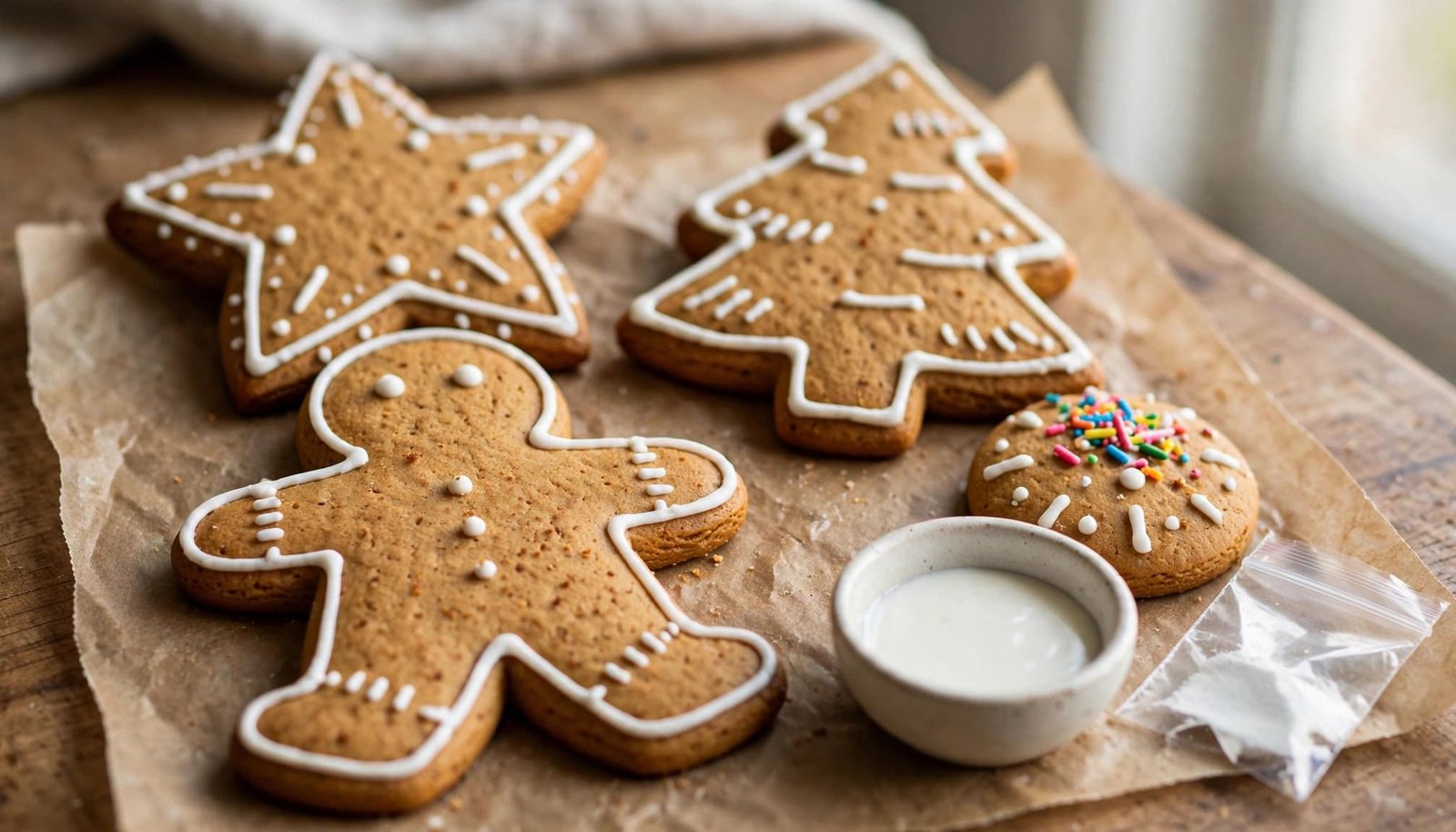
For crisp outlines and small details, use royal icing. Keep it thick enough to hold its shape as you pipe, then add a little water at a time if you want a looser consistency for filling larger areas. See King Arthur Baking’s royal icing recipe for a basic version.
You don’t need special piping equipment for simple designs. Spoon the icing into a small zip-top bag, press it toward one corner, and snip off just the tip. Pipe an outline around each cookie, then add dots, buttons, or lines. A small opening gives you more control, and you can snip it slightly larger if the icing won’t flow.
For a quicker finish, stir powdered sugar with a small amount of milk or water until the glaze is thick but easy to spread. A thinner glaze works well for dipping or drizzling, while a thicker one stays in place on top. This simple cookie glaze recipe offers a useful consistency reference.
Sprinkles or small candies are optional. Add them while the icing is still wet so they stick, then leave the cookies uncovered until the icing feels dry. Drying time varies with the icing and room conditions, so check before stacking or packing.
Try Easy Gingerbread Flavor and Shape Swaps
A small flavor adjustment can make a batch feel different without changing how the dough handles. Add a pinch of nutmeg to the dry ingredients for another warm spice note, or keep the recipe as written for its classic ginger, cinnamon, and clove flavor.
Cookie cutters are an easy way to vary the look. Use stars, trees, mittens, or simple circles, and keep the dough thickness consistent so the shapes bake at a similar rate. For a less-sweet finish, skip the icing and serve the cookies plain, or decorate only a few for contrast.
Keep ingredient changes modest because large adjustments can affect the dough’s texture and how well the cookies hold their shape. In particular, don’t replace all the flour or molasses with another ingredient; those changes can alter the dough enough to make rolling and cutting less predictable.
Store, Freeze, and Make Gingerbread Cookies Ahead
Gingerbread cookies are easy to prepare in stages, which helps when you want to decorate without rushing. Keep the dough, plain cookies, and iced cookies separate during storage so each stays in good condition.
Make the Dough or Plain Cookies Ahead
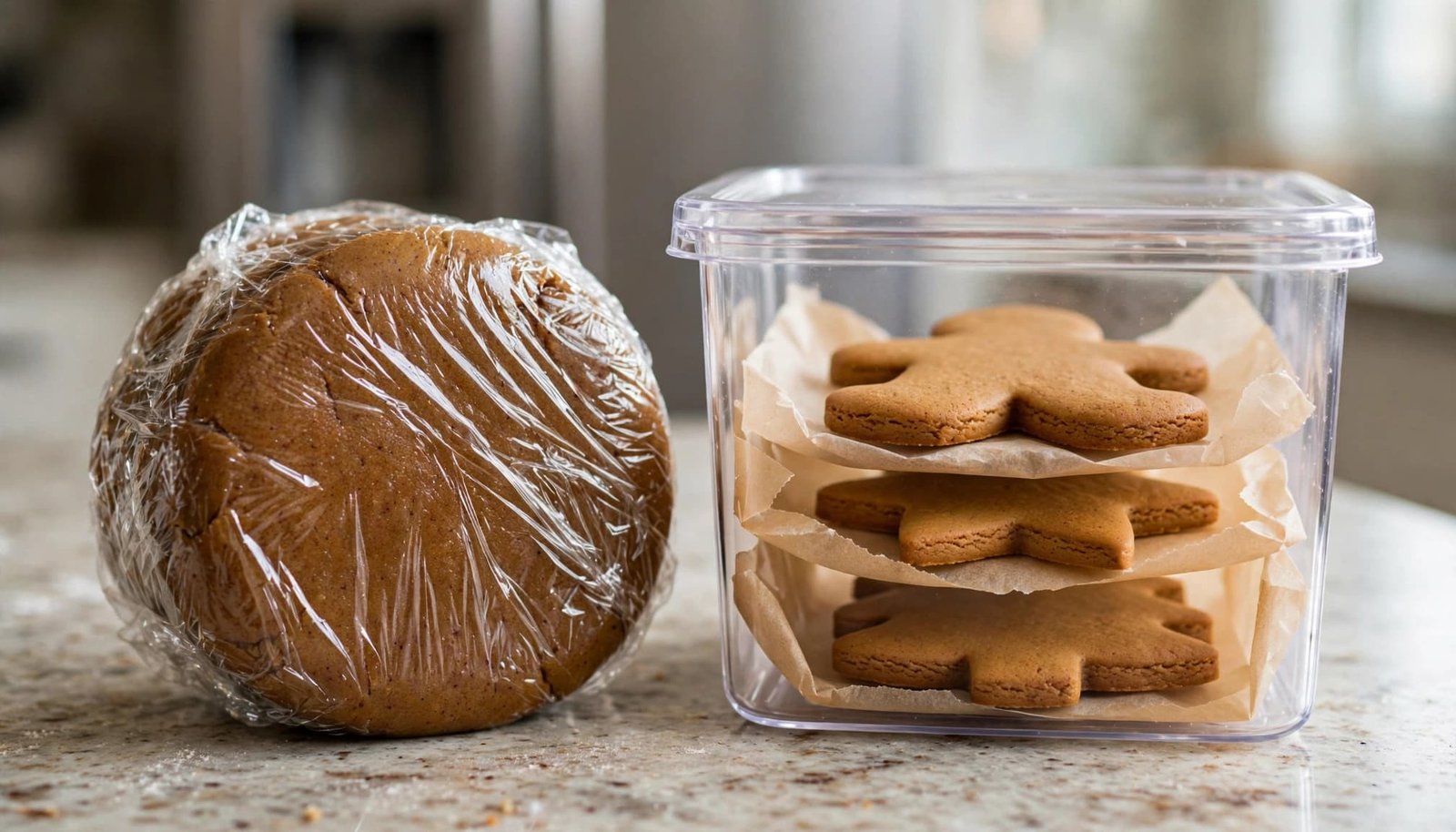
After mixing, wrap each dough disk tightly and refrigerate it until you’re ready to roll. If it has firmed up too much, let it sit briefly until it’s workable, but keep it cool so the cut shapes stay neat. For a longer make-ahead plan, wrap the dough well and freeze it. Thaw it in the refrigerator before rolling and cutting.
You can also bake the cookies ahead and store them undecorated. Cool them completely first, then place them in an airtight container at room temperature. Separate layers with parchment to protect the edges and prevent cookies from sticking together. These same steps help keep plain cookies fresh, as outlined in King Arthur Baking’s cookie storage tips.
For longer storage, freeze fully cooled, undecorated cookies in a sealed, freezer-safe container, with parchment between layers. Thaw them before decorating so the icing can adhere to dry cookies. Leave them in the container while they thaw, which helps limit moisture forming on the surface.
Store Decorated Cookies with Care
Let the icing dry completely before packing decorated gingerbread cookies. Then arrange them in a single layer in an airtight container, or place parchment between layers if stacking is necessary. Avoid freezing iced cookies unless you know your icing holds up well after thawing; moisture can soften decorations or leave them sticky.
Storage conditions and icing recipes can affect freshness, so check the cookies for changes in texture or flavor before serving. For a flexible holiday schedule, King Arthur Baking’s cookie timeline also suggests baking cookies ahead or freezing dough for later.
Frequently Asked Questions
Even with a reliable recipe, dough can behave differently depending on how it was measured, chilled, and handled. These answers cover a few common gingerbread cookie questions, including how to keep the dough workable and the cutouts neat.
Can I Make the Dough the Day Before?
Yes. Wrap the dough tightly and refrigerate it until you’re ready to roll, which makes it easy to split the baking across two days. If the dough feels too firm to roll straight from the refrigerator, let it rest at room temperature briefly. Work with it while it’s still cool, and return it to the refrigerator if it starts to soften or stick.
Why Is My Gingerbread Dough Crumbly?
Too much flour, flour measured too heavily, or dough that’s very cold can make it seem dry and difficult to roll. Let it soften briefly, then press it together gently to see if it becomes workable. If it still won’t hold together, make only a small adjustment rather than adding liquid or fat by eye, since too much can change how the cookies bake and hold their shape.
Can I Make These Cookies Without Molasses?
You can use a different recipe, but molasses gives classic gingerbread cookies much of their deep flavor and characteristic texture. A direct one-for-one swap may change the dough’s moisture and structure, so the cutouts may not bake as expected. Instead, choose a recipe developed for the ingredient you plan to use, such as honey or another sweetener, and follow its measurements and method.
How Do I Know When Gingerbread Cookies Are Done?
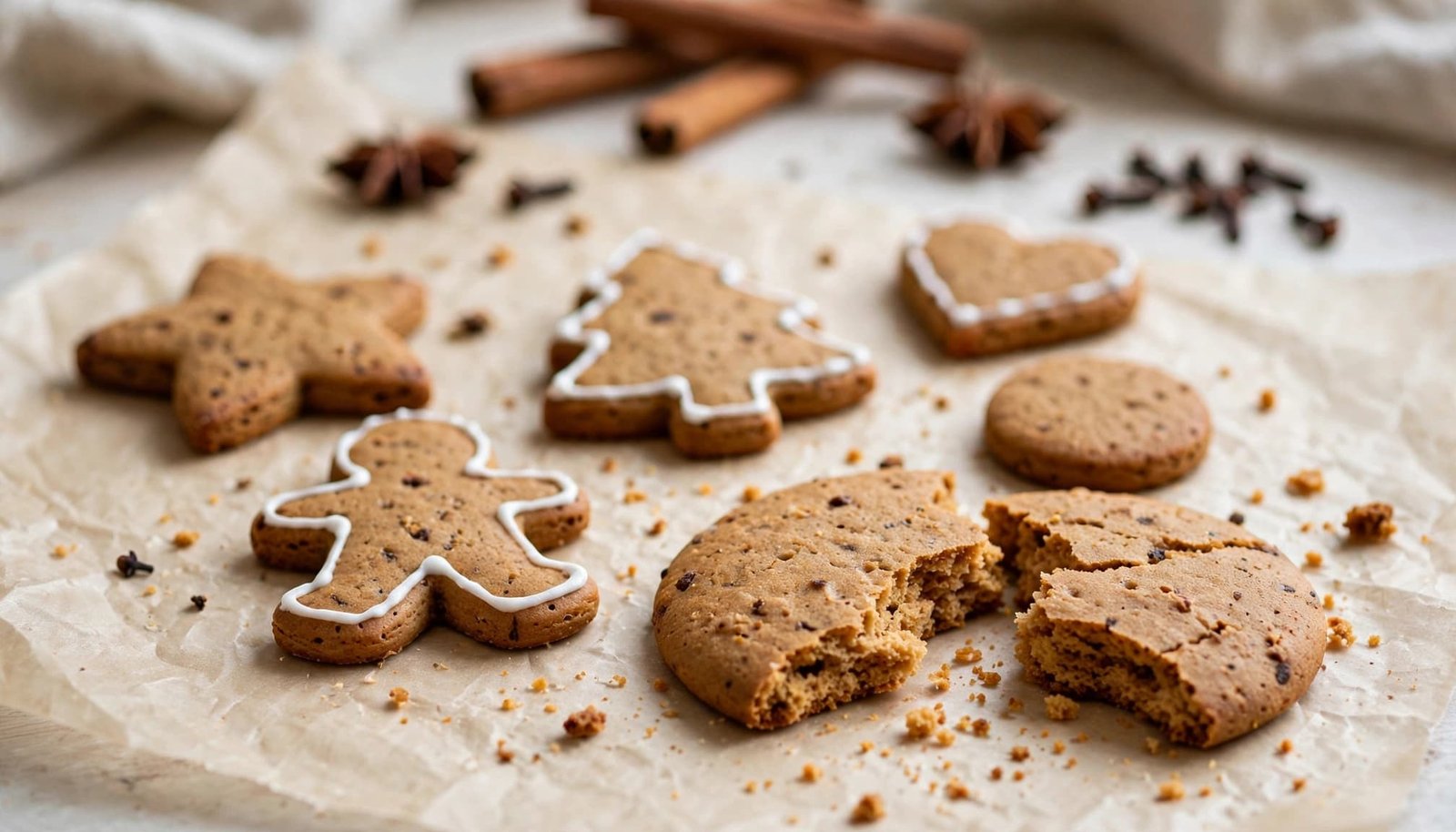
Look for edges that appear set and may be lightly browned; the centers can still look a little soft. The cookies firm as they cool, so don’t wait for the centers to feel completely firm in the oven. Smaller cutouts often bake faster than larger ones, so check them early and use appearance as well as the recipe’s timing.
Can I Freeze Gingerbread Cookie Dough?
Yes. Wrap the dough tightly before freezing, then thaw it in the refrigerator until it’s workable enough to roll. If it softens while you’re cutting shapes, chill it again before baking. Keeping the dough cool helps the cutouts stay defined, especially when you’re working with several trays or intricate cutters.
Conclusion
Chilling the dough, rolling it evenly, and watching for set edges are the keys to gingerbread cookies that keep their shape. Once they’ve cooled completely, choose a favorite cutter and decorate them with family or friends.
With a little care at each step, these spiced cutouts are ready to share and enjoy.
Save the pin for later


- Christmas Cookie Ideas for Every Holiday Baker - November 9, 2026
- Christmas Cocktails: Party Drinks, Cozy Sips, and Mocktails - November 9, 2026
- 20 Christmas Appetizer Ideas for Every Holiday Spread - November 9, 2026