
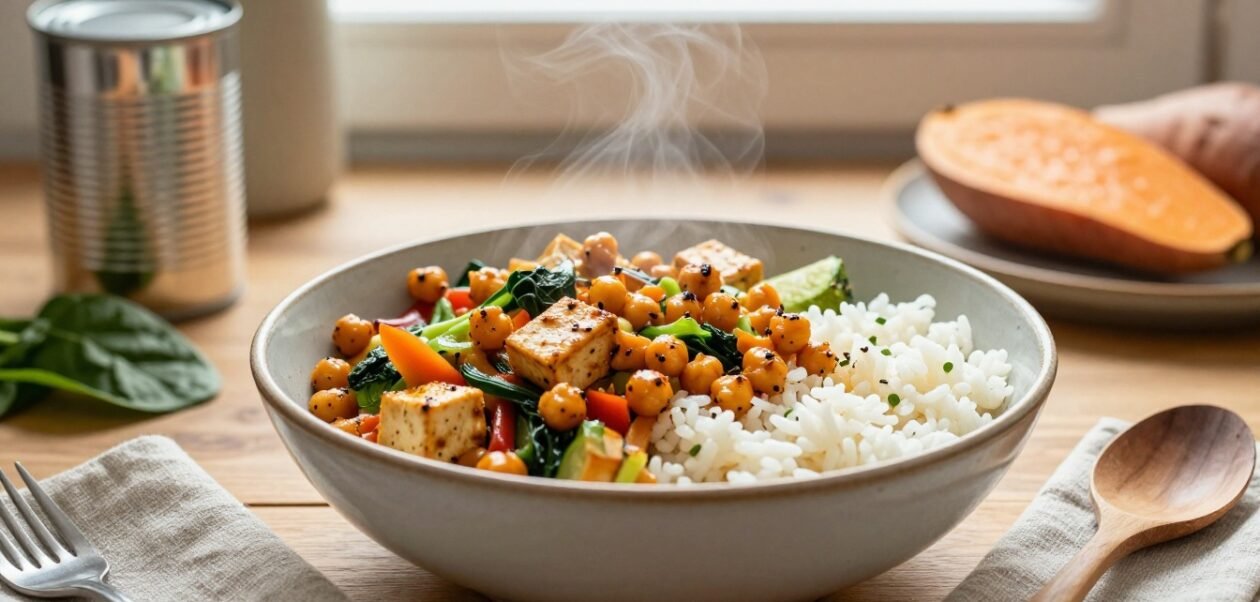
A warm, flavorful vegetarian dinner can be filling enough to satisfy the whole table. Build the meal around beans, lentils, chickpeas, or tofu, then add vegetables and a grain or potato for a balanced plate.
When dinner needs to come together quickly, canned beans, frozen vegetables, and pre-cooked grains can save time. A little prep helps, too: wash sturdy vegetables or cook rice ahead, then mix and match what you have for a bowl, soup, skillet, or casserole. These ideas make it easier to find a delicious vegetarian dinner that fits your schedule and appetite. Start with a few satisfying combinations, plus practical ways to adjust them for the evening ahead.
What Makes a Delicious Vegetarian Dinner Satisfying?
A satisfying vegetarian dinner has a few parts working together: a protein-rich ingredient, vegetables, something hearty, and a flavorful finish. This simple formula keeps meals practical, whether you’re making a quick bowl or using up ingredients already in the fridge.
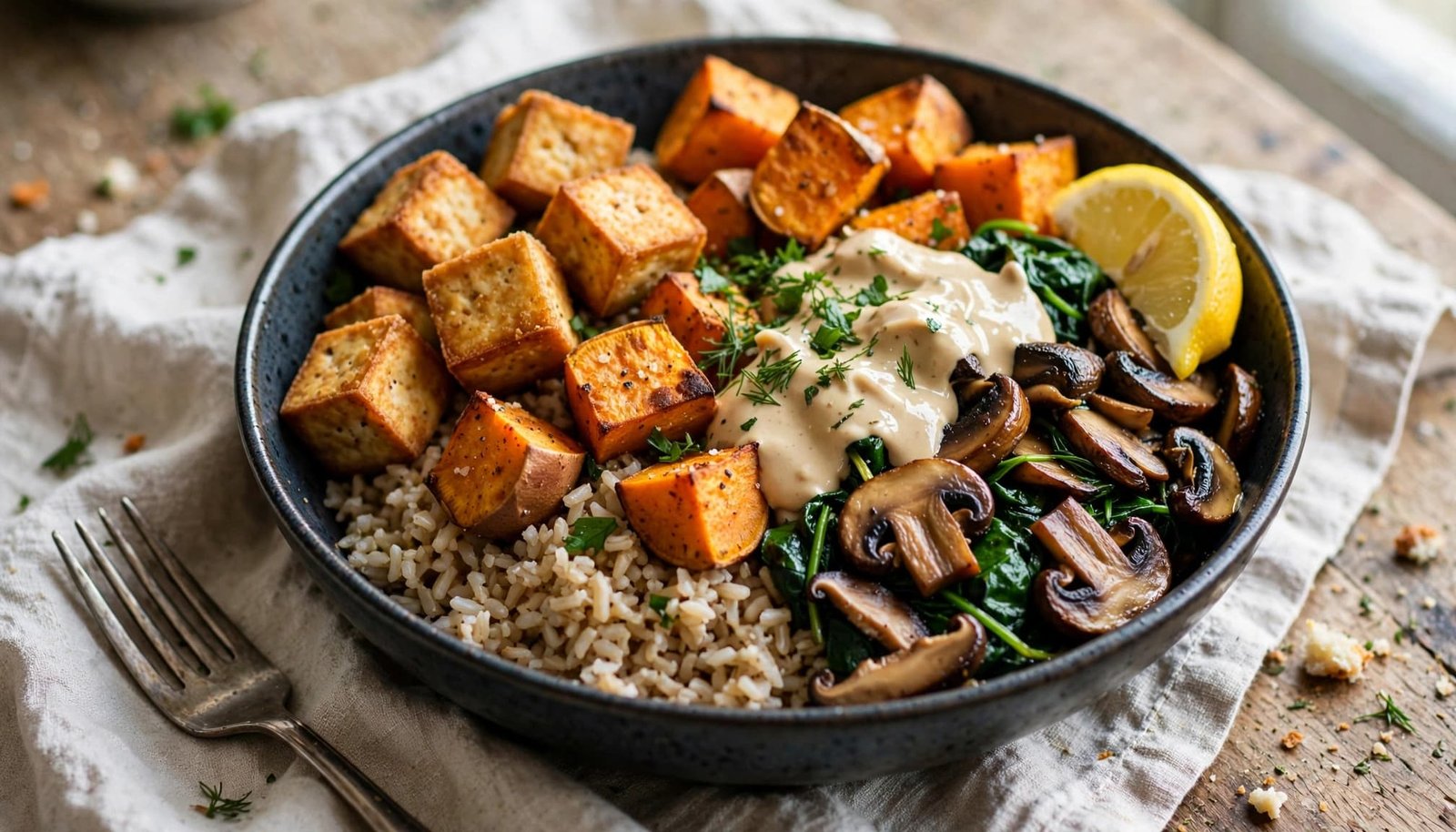
Build the meal around beans, lentils, tofu, or eggs
Start with a protein that fits the meal and the time you have. Beans and lentils are easy to keep on hand, and they work in soups, chili, and grain bowls. Stir canned beans into tomato sauce with vegetables, or simmer lentils with carrots and greens for a cozy one-pot dinner.
Tofu takes on the flavor of the sauce around it, so it fits well in stir-fries, wraps, and noodle dishes. Brown it in a skillet before adding vegetables, or tuck it into a wrap with crunchy cabbage and a tangy dressing. Eggs are handy for a quick skillet meal, too. Cook them with mushrooms and spinach, or add a fried egg to a vegetable and grain bowl.
Dairy can add protein and a creamy, savory finish if you include it. Try a little shredded cheese over chili, plain yogurt on a baked potato, or feta in a warm grain bowl. USDA MyPlate includes beans, peas, lentils, soy foods, and eggs among vegetarian protein options; its food-group guide offers more ideas for mixing them into meals.
Add whole grains, vegetables, and a bold finishing touch
Pair your protein with brown rice, quinoa, barley, or whole-wheat pasta. Potatoes and sweet potatoes make satisfying starchy options, too. Add one or two vegetables, such as roasted squash, sautéed cabbage, mushrooms, spinach, or Brussels sprouts. Use what you have, and cook vegetables until tender with a little browning for more flavor.
A sauce or topping brings the parts together. Spoon tahini over a bowl, toss pesto with pasta, or add salsa to beans and rice. Plain yogurt cools a spicy dish, while fresh herbs and lemon brighten rich or roasted ingredients. If you like heat, a little chili crisp adds both spice and texture.
The formula works in more than bowls. Add beans and vegetables to soup, toss tofu and cabbage with noodles, or roast vegetables and chickpeas together on a sheet pan. When each part has a clear job, dinner feels complete without a complicated recipe.
Easy Vegetarian Dinner Ideas for Busy Nights
When time is short, choose a meal that uses a few ready-to-go ingredients and cooks in one pot, on one pan, or in a single skillet. These ideas are flexible, so you can use what’s already in your pantry or freezer.
Make a cozy one-pot soup, stew, or chili
A pot of lentil soup with carrots and greens takes about 35 to 45 minutes, with most of that time spent simmering. Use boxed vegetable broth, then stir in pre-washed greens near the end. For a faster soup, add canned beans instead of lentils and let them heat through for the last few minutes.
Black bean chili is another easy option. Combine canned beans with tomatoes, frozen corn, chili powder, and a little broth; simmer for about 20 to 30 minutes. Or make a chickpea stew with canned tomatoes and sweet potatoes. Cut the potatoes into small, similar-sized pieces so they soften sooner.
Frozen vegetables can go straight into soup or stew, though they may release extra moisture as they heat. Add broth a little at a time if you want a thicker pot. Serve with rice, a baked potato, or whole-grain bread to make dinner more filling. Beans, lentils, and chickpeas also provide plant-based protein, along with options such as tofu and tempeh listed in USDA MyPlate’s protein foods guide.
Try a sheet-pan meal or quick skillet
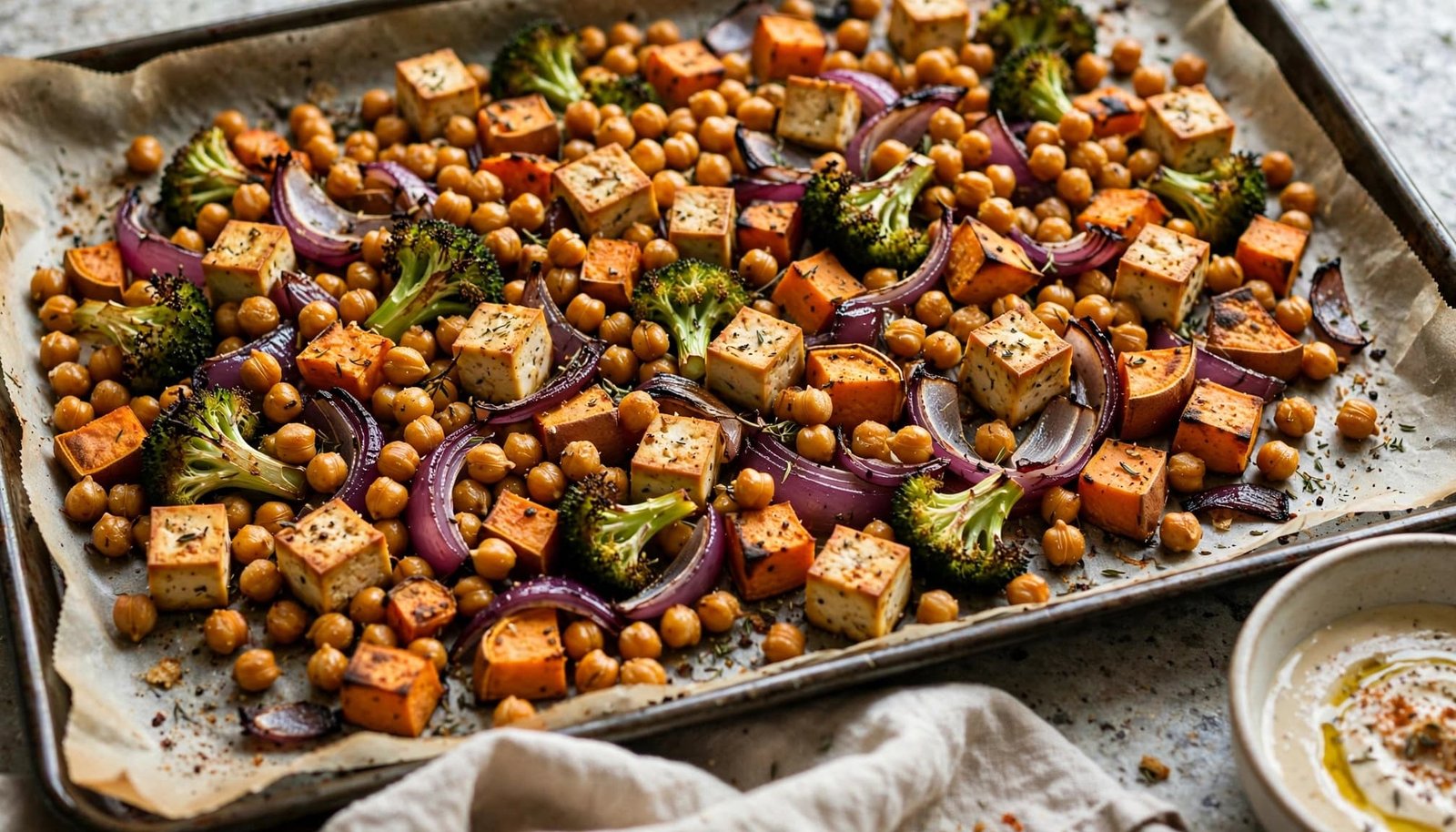
For a hands-off dinner, roast chickpeas or tofu with vegetables such as broccoli, sweet potatoes, and red onion. Toss everything with a little oil and seasoning, then roast until the vegetables are tender and browned, about 30 to 40 minutes. Cut the vegetables into similar-sized pieces so they cook at roughly the same pace.
A skillet is quicker when you want dinner in about 20 minutes. Sauté sliced cabbage and mushrooms, then add canned white beans and a splash of broth. Stir in spinach or another tender green during the last few minutes, so it wilts without becoming too soft. Serve the skillet with rice, toast, or roasted potatoes.
Turn pasta, bowls, and wraps into complete meals
Pasta is an easy place to use pantry staples. Toss whole-wheat pasta with tomato sauce, spinach, and white beans; frozen spinach works well if you give it time to heat through. A microwave grain pouch can also shorten prep for a quinoa bowl. Add chickpeas, roasted or frozen vegetables, and a spoonful of dressing or sauce.
For a quick wrap-style dinner, fill tortillas with black beans, shredded cabbage, and salsa. Add corn, avocado, or cheese if you have them. Exact ingredients matter less than the mix: combine a filling base, vegetables, and a sauce or topping. Use what’s on hand, and dinner can come together without an extra trip to the store.
Choose Vegetarian Comfort Food with Plenty of Flavor
A cozy vegetarian dinner can feel familiar and filling when it has a savory base, warm seasoning, and a satisfying texture. Beans, lentils, vegetables, and grains make it easy to keep the meal hearty while giving each dish its own flavor.
Bring warmth with curry, cumin, garlic, and herbs
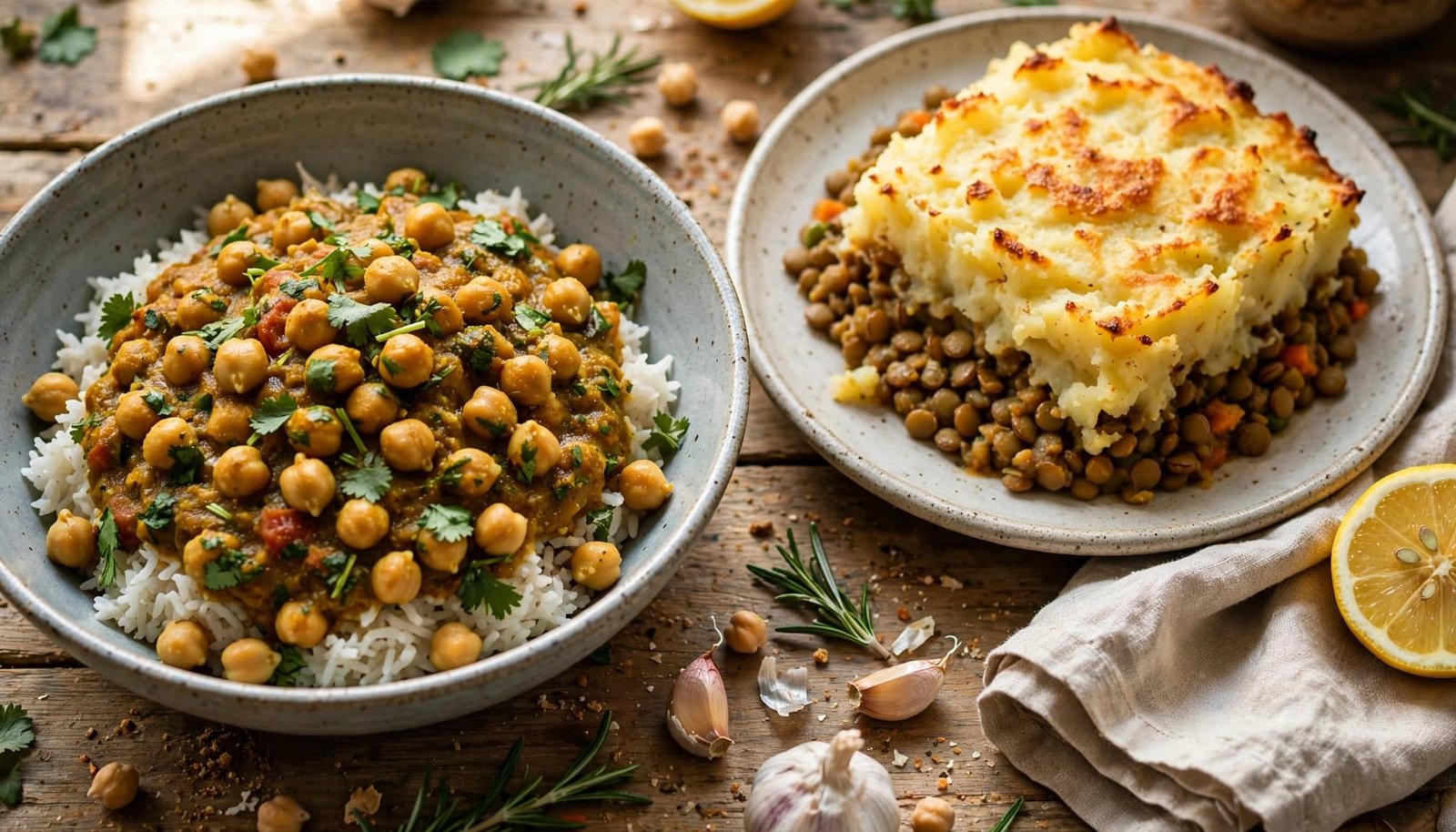
For a warming dinner, simmer chickpeas with tomatoes, onion, garlic, and curry spices, then serve the curry over rice. Cumin-spiced black bean soup is another simple option. Add carrots or bell pepper for sweetness, and finish with lime or lemon to brighten the broth.
Roasted vegetables can bring the same comfort with less hands-on cooking. Toss squash, potatoes, or carrots with a little oil, garlic, rosemary, or thyme, then roast until tender with browned edges. Serve them with white beans and barley, or add them to a bowl of rice.
You don’t need a complicated sauce to build depth. Spices add warmth, aromatics like garlic and onion create a savory base, and citrus lifts the finished dish. Fresh herbs add a clean finish, too. The American Heart Association recommends herbs, spices, garlic, and citrus as ways to add flavor; its guide to reducing sodium includes practical seasoning ideas.
Make familiar favorites meatless
Use familiar dishes as a starting point, then let beans, lentils, or vegetables take the place of meat. Vegetable and bean enchiladas work well with black beans, corn, and peppers tucked into tortillas with tomato sauce. Stuffed peppers with quinoa and beans make a full meal in one serving, especially with a little salsa or chopped cilantro on top.
For a cozy casserole, stir cooked squash into a cheese sauce for mac and cheese. Or make lentil shepherd’s pie, topping the seasoned lentils and vegetables with mashed potatoes before baking until the top is lightly browned. Lentils add substance, while carrots, peas, or mushrooms bring color and texture.
Cheese or cream can add richness, but you only need a modest amount. Leave them out for a dairy-free version, or use a dairy-free alternative that works for the dish. A squeeze of lemon, fresh herbs, or a spoonful of salsa can still give the meal a bright finish. These familiar flavors make a delicious vegetarian dinner feel complete, without asking you to make a separate meal for anyone at the table.
Make Vegetarian Meals Work for Different Tastes and Needs
A shared vegetarian dinner can stay simple while still giving everyone a little choice. Keep the main dish mild, then offer a few toppings and ingredient swaps at the table.
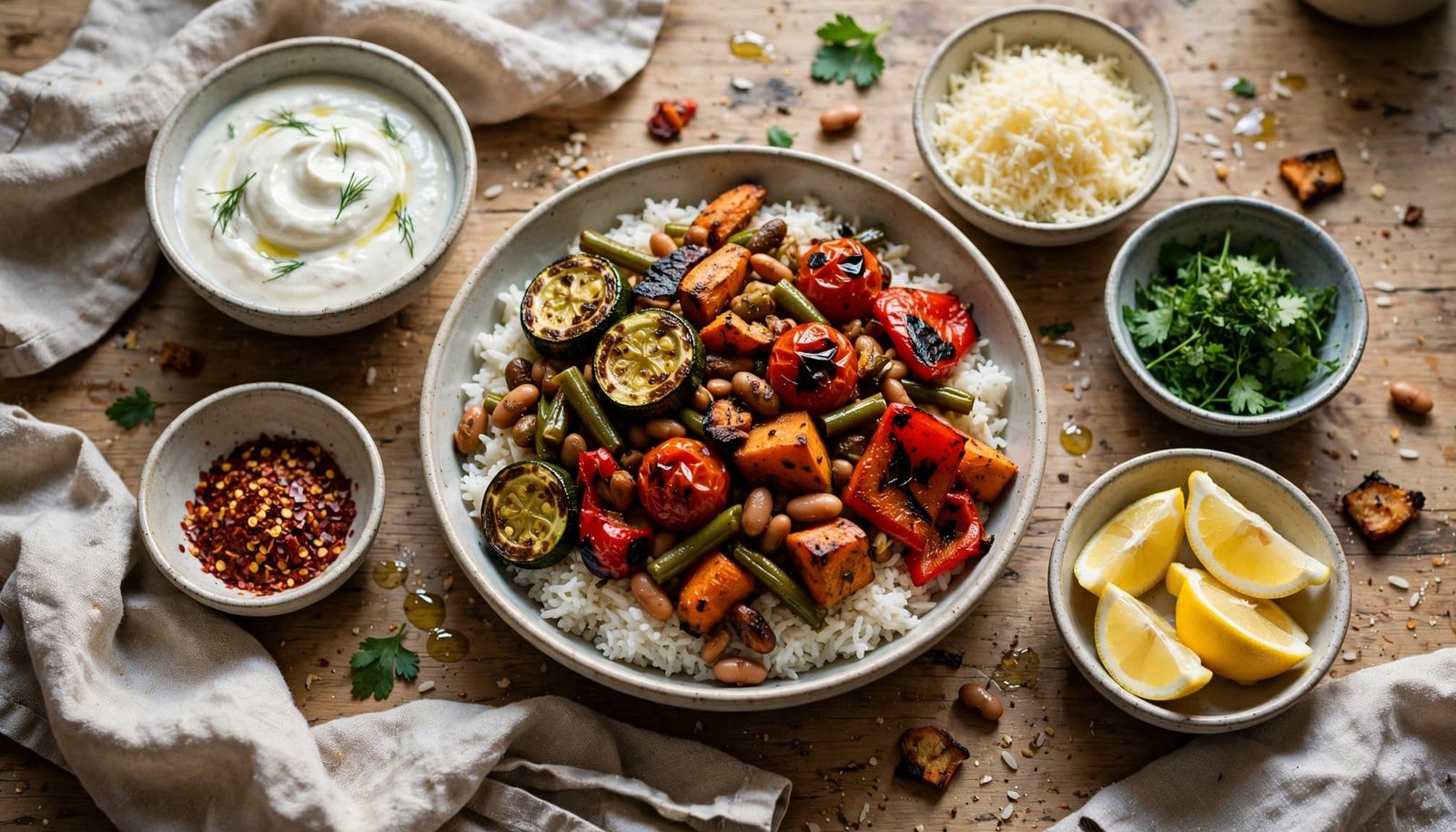
Serve toppings and stronger seasonings on the side
Build a mild base with rice, beans, roasted vegetables, or pasta, then let each person finish their plate. Set out sauces, shredded cheese, herbs, lemon or lime, and chili flakes in small bowls. A spoonful of plain yogurt can cool a spicy dish, while fresh cilantro or green onions add a brighter flavor.
If you’re making chili, soup, or a skillet meal, set aside a mild portion before adding extra chili powder, hot sauce, or other strong seasonings. This small step helps the meal suit children and anyone who prefers gentle flavors, without making a separate dinner. Keep toppings optional, too. Someone who wants a plain bowl can enjoy the same filling base as everyone else.
For tacos, bowls, or baked potatoes, serving the components separately works just as well. Put beans, vegetables, grains, and toppings on the table, then let everyone make a plate that fits their appetite.
Check ingredients when cooking dairy-free or gluten-free
For a dairy-free dinner, leave out cheese, cream, or yogurt, or use a suitable alternative. The best substitute depends on the dish: an unsweetened plant-based yogurt may work as a cool topping, while a dairy-free cheese may melt differently in a casserole. Check its ingredient label, since alternatives can contain allergens, too.
For gluten-free meals, choose grains and packaged foods clearly labeled gluten-free, such as rice or quinoa. Check broth, sauces, seasoning mixes, and other convenience ingredients as well. Gluten can be present in packaged products where you may not expect it, including some soups and sauces. The FDA’s gluten-free labeling guidance explains what the claim means on packaged foods.
When someone has a food allergy or a medical need, don’t assume a vegetarian dish is automatically safe. Read ingredient labels each time you shop, and check the labels on toppings and substitutions before serving. Keep a safe option separate from ingredients that need to be avoided, including during preparation. A few careful checks help make one dinner easier to share.
Prep Vegetarian Dinners Ahead Without Making a Full Meal Plan
A little prep can make weeknight cooking easier without deciding every dinner in advance. Wash a few sturdy vegetables, cook one useful grain, and keep pantry shortcuts ready. Then choose a meal based on how much time you have and what sounds good.

Keep a few mix-and-match basics ready
Cook a pot of brown rice or quinoa, or prepare lentils while you have time. Wash and chop sturdy vegetables such as carrots, cabbage, or Brussels sprouts, then store them in covered containers. Pre-washed greens, frozen vegetables, canned beans, and a simple sauce can fill in the gaps when dinner needs to come together quickly.
These ingredients can take different forms, so you don’t need to assign each one to a specific recipe. Pair rice or quinoa with beans, vegetables, and sauce for a quick bowl. On another night, add the same beans and vegetables to soup, or toss them with pasta and a handful of greens. Frozen vegetables work well in soups and skillet meals, though they may release extra moisture. Start with a little less broth, then adjust as the dish heats.
Store and reuse leftovers with care
After dinner, transfer leftovers to shallow containers and refrigerate them promptly. The USDA advises refrigerating cooked food within two hours and reheating leftovers to 165°F. Check the center with a food thermometer, especially when reheating a dense portion or casserole. Follow the USDA’s leftover food safety guidance for more details.
Cooked grains, beans, and roasted vegetables are easy to reuse, but a few fresh additions can make them feel like a different meal. Add greens and sauce to a warm grain bowl, stir beans and vegetables into broth, or toss everything with pasta. Keep crunchy toppings, herbs, and delicate greens separate until serving so they hold their texture.
You can also store components separately when you want more choice later. A container of rice, a jar of sauce, and a bowl of roasted vegetables can become dinner in several combinations, without turning a relaxed bit of prep into a full meal plan.
Conclusion
A delicious vegetarian dinner can be simple: pair beans, lentils, chickpeas, or tofu with vegetables, a grain or potato, and seasonings your household enjoys. Start with what’s already in the kitchen, then choose a soup, skillet, sheet pan, or bowl that fits the evening.
A little prep can help, but dinner doesn’t need a full plan. With a few flexible ingredients and a cooking method that suits your time, you can make a meal that feels filling, flavorful, and easy to share.

- Christmas Cookie Ideas for Every Holiday Baker - November 9, 2026
- Christmas Cocktails: Party Drinks, Cozy Sips, and Mocktails - November 9, 2026
- 20 Christmas Appetizer Ideas for Every Holiday Spread - November 9, 2026



1 Comment