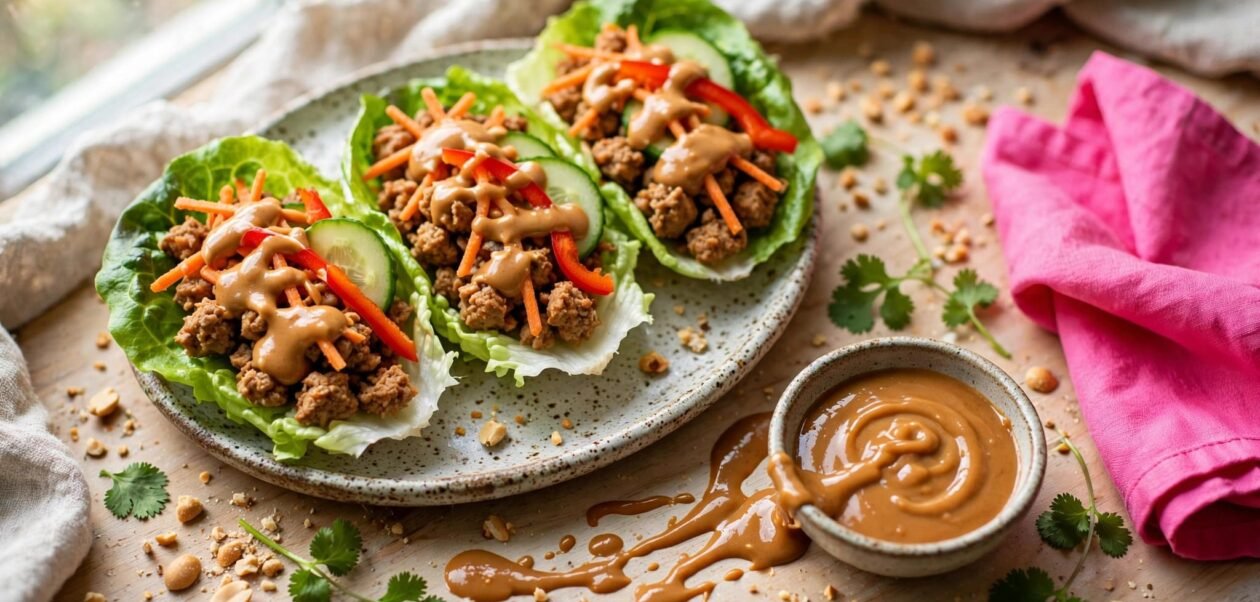
We bring savory skillet turkey, crisp vegetables, tender lettuce, and creamy peanut sauce together in these turkey lettuce wraps for a fresh, satisfying meal you can eat by hand. The filling and sauce are simple to prepare, and you can swap in the vegetables you have or keep the heat mild with chili on the side.
For the best crunch, keep the warm turkey separate from the chilled vegetables and lettuce until you’re ready to eat. If you enjoy ground turkey lettuce wraps, this peanut-sauce version offers another easy way to customize dinner.
Turkey Lettuce Wraps With Crunchy Vegetables and Peanut Sauce
For these turkey lettuce wraps, I keep the filling warm, the vegetables crisp, and the peanut sauce cool until serving. This recipe makes about four servings, with enough flexibility to swap in the crunchy vegetables you have on hand.
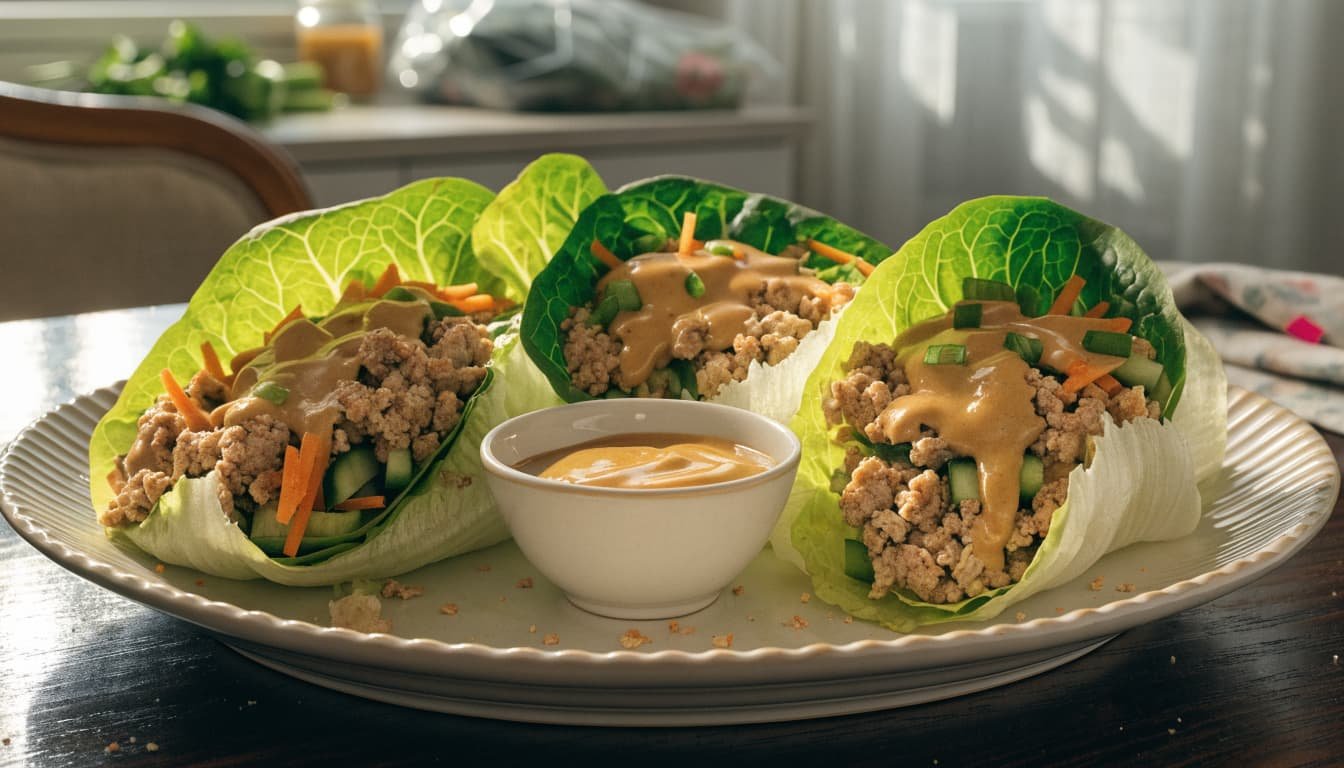
Choose lettuce leaves and vegetables that hold their crunch
Butter lettuce has soft, cup-shaped leaves that are easy to fill and fold. Romaine and iceberg are sturdier alternatives if you want a firmer wrap. Choose intact leaves large enough to hold a spoonful of turkey; if a leaf feels delicate, nest two together.
For four servings, gather these ingredients:
- 1 head butter lettuce, romaine, or iceberg, leaves separated
- 1 cup shredded carrots
- 1 cup thinly sliced cucumber
- 2 green onions, thinly sliced
- 1/2 bell pepper, thinly sliced
- 1/2 cup sliced water chestnuts, optional
- 1 pound ground turkey
- 1 tablespoon neutral oil
- 2 garlic cloves, minced
- 1 tablespoon freshly grated ginger
- 2 tablespoons soy sauce
- 1 tablespoon rice vinegar
- 1 teaspoon sesame oil
- 1/2 cup creamy peanut butter
- 1 tablespoon honey
- 1 tablespoon lime juice
- 2 to 4 tablespoons warm water, as needed
Rinse the lettuce and vegetables under cool running water, then dry them thoroughly. Keep the produce chilled while you make the sauce: whisk the peanut butter, honey, lime juice, and warm water until smooth. Stir in a teaspoon of soy sauce if you want a saltier sauce, or add another splash of water to thin it. Cover and refrigerate until serving.
Keep the raw turkey and its juices separate from the ready-to-eat vegetables and lettuce. Wash your hands and clean the knife and cutting board after handling the turkey.
Cook the turkey filling without drying it out

Heat the oil in a large skillet over medium heat. Add the ground turkey and break it into small crumbles with a spoon or spatula. Cook until the meat is mostly browned, stirring as needed, then add the garlic and ginger. Stir for about 30 seconds, just until fragrant.
Add the soy sauce, rice vinegar, and sesame oil. Stir to coat the turkey, then cook until no pink remains. Check the thickest portion with a food thermometer. Ground turkey needs to reach 165°F for safety, as stated in the USDA’s ground poultry guidance. Color alone cannot confirm that it has reached a safe temperature.
Take the skillet off the heat and let the filling rest for a few minutes. That brief pause lets it stay warm while reducing the chance it will wilt the lettuce. Set out the turkey, chilled vegetables, lettuce leaves, and peanut sauce separately, then spoon the filling into each leaf just before eating. Add carrots, cucumber, green onion, bell pepper, or optional water chestnuts to taste.
For another easy meal with seasoned ground turkey, try our ground turkey tacos with black beans.
Mix a creamy peanut sauce with a balance of sweet, salty, and tangy
A creamy peanut sauce brings the warm turkey and cool, crunchy vegetables together without hiding their flavor. I start with peanut butter, lime juice, honey, and warm water, then add soy sauce gradually for a savory note. Rice vinegar can replace the lime juice if you prefer a rounder, less citrusy tang.
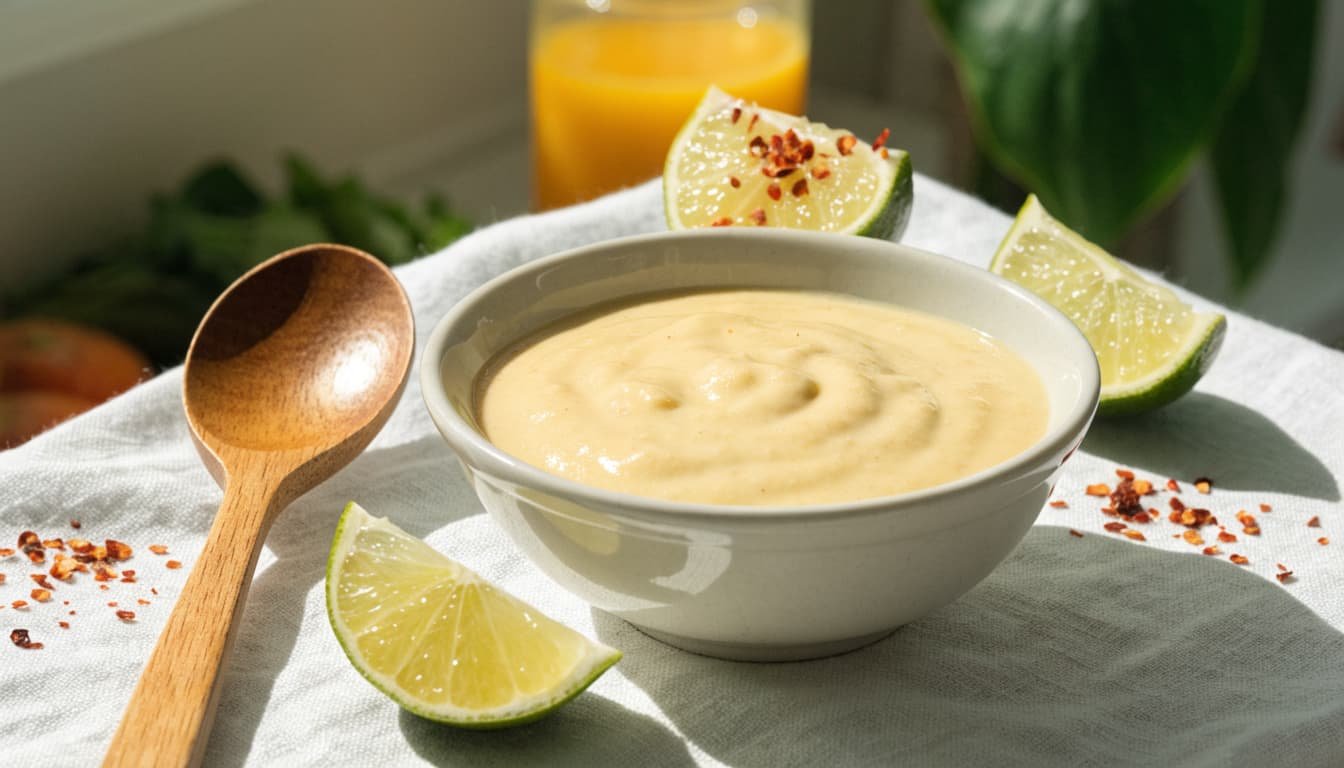
Whisk the ingredients in a bowl until the sauce looks smooth and glossy. Peanut butter can make the mixture feel stiff at first, so add warm water a little at a time, whisking after each addition. Stop when it clings lightly to a spoon but still drizzles easily. A thicker sauce works well for dipping; a thinner one coats the turkey and vegetables more evenly.
Adjust the sauce texture and flavor a little at a time
Taste the sauce before making changes. If it feels too thick, whisk in another splash of warm water. For more brightness, add lime juice or rice vinegar in small amounts, tasting between additions so the tang lifts the peanut flavor without turning sharply sour. A little honey softens flavors that seem too sharp or salty, while fresh ginger or minced garlic adds a gentle savory warmth.
Soy sauce brings salt and depth, but different brands can vary in sodium. I add a small splash, taste, then decide whether the sauce needs more. You can compare nutrition information for specific ingredients in USDA FoodData Central. If the sauce already tastes salty, skip extra soy sauce and loosen it with warm water instead.
For a mild default, leave chili out of the bowl. Offer chili flakes or a little chili sauce on the side, or stir in a small pinch and taste before adding more. That keeps the sauce gentle while letting each person choose how much heat to add.
Serve the peanut sauce in a small bowl beside the lettuce wraps, or drizzle it over the filling just before eating. I keep it separate until serving so the lettuce and vegetables stay crisp.
Assemble the wraps so every bite stays crisp
The best order for serving these turkey lettuce wraps is simple: set out the warm filling, dry lettuce leaves, chilled vegetables, and peanut sauce separately. Then everyone can build a fresh wrap just before eating, while the leaves still feel crisp and easy to fold.
Set out toppings for an easy build-your-own dinner
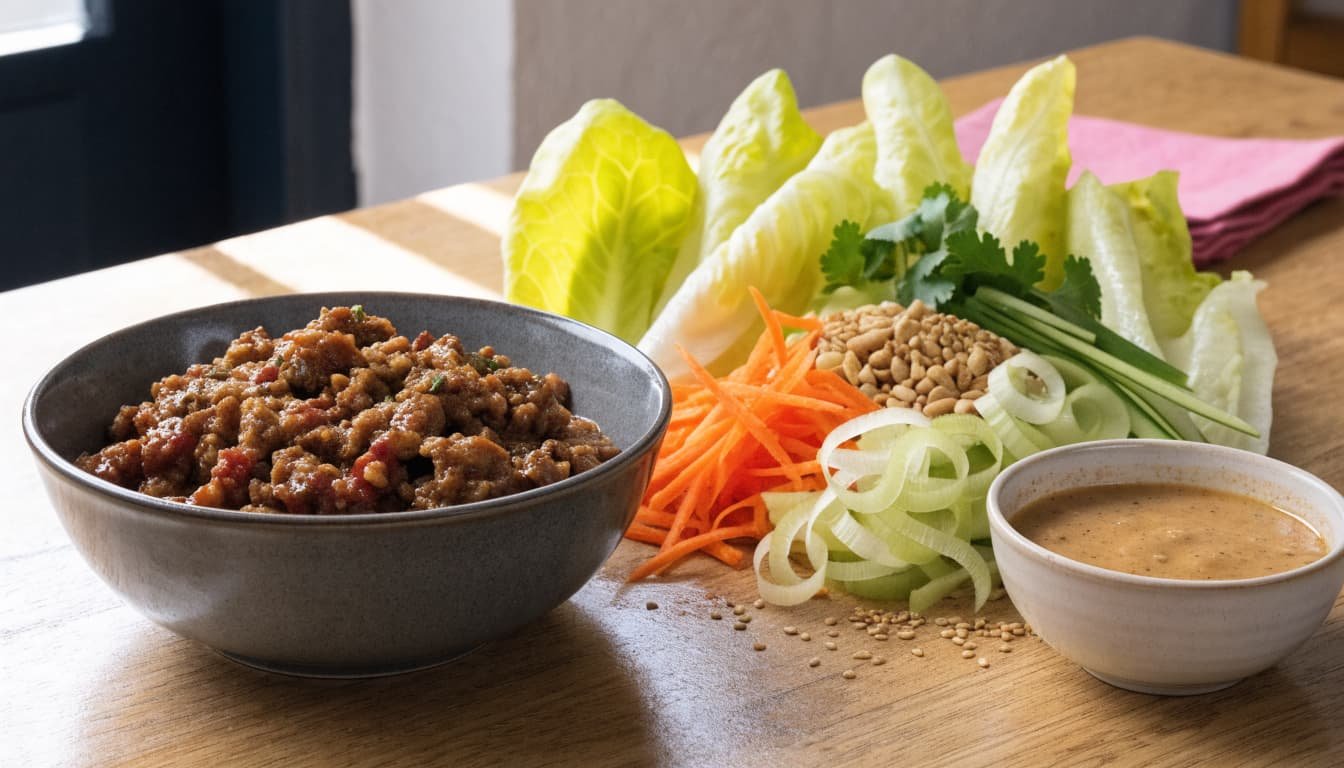
I like to keep the choices inviting but manageable. Set out two or three toppings, such as shredded carrots, sliced cucumber, cilantro, or scallions. Chopped peanuts and sesame seeds add a little extra crunch, while chili sauce brings heat. Keep spicy toppings on the side so each person can adjust their own wrap without changing the flavor of the whole meal.
Arrange the ingredients in separate bowls or on a platter, with a spoon for the turkey and sauce. If the lettuce leaves are small or delicate, nest two together. Spoon in a modest amount of turkey, then add a little sauce and a few toppings. A lightly filled leaf is easier to lift and fold, and it’s less likely to spill as you take a bite.
Most importantly, wait until serving to fill the leaves. Warm, moist turkey softens lettuce when it sits against it, and extra sauce can make the leaves limp faster. Keep the filling warm while the vegetables and lettuce stay chilled and dry. For another crisp, hand-held meal, see our tuna and white bean salad for lettuce cups.
Rice can make the meal heartier, too. Offer a small spoonful for anyone who wants it inside a wrap, but keep the portion modest so the lettuce still folds comfortably. I usually prefer to serve rice separately: it keeps the lettuce cups easier to handle and gives everyone the option of making a bowl instead.
For the freshest texture, let people assemble each wrap as they eat rather than filling a platter in advance. If dinner will linger at the table, keep cold toppings chilled until serving and return perishable leftovers to the refrigerator within the USDA’s recommended time limits for food safety.
Prep ahead, store leftovers, and reheat the filling safely
You can make the turkey filling and peanut sauce ahead, then keep the fresh parts ready for assembly. I store each component separately so the lettuce stays crisp and the vegetables keep their bite.
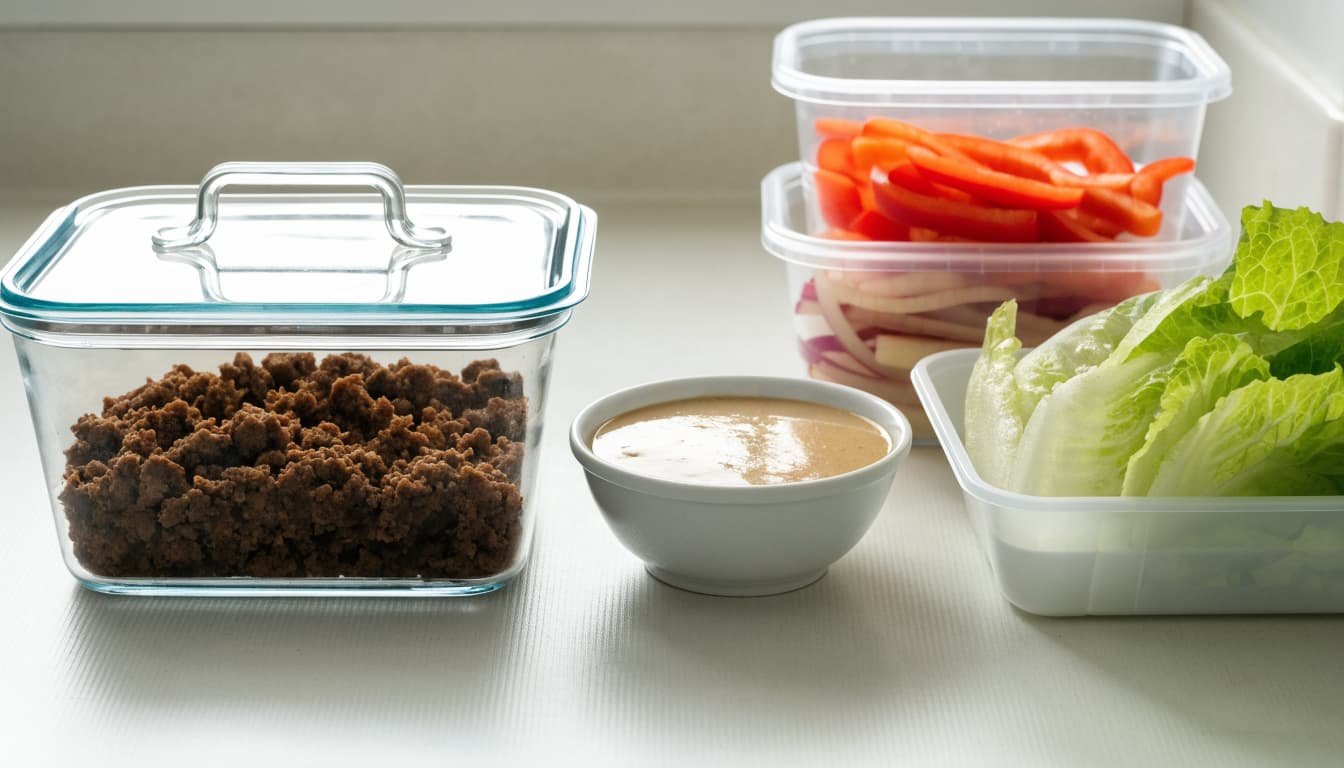
Keep the components separate for better leftovers
Once the turkey is cooked, transfer it to a shallow, covered container and refrigerate it within two hours. If the temperature is above 90°F, refrigerate it within one hour. Keep your refrigerator at 40°F or below, and use the cooked filling within three to four days. The USDA’s leftover food safety guidance covers these storage and reheating recommendations.
The peanut sauce can also be prepared ahead and stored in its own covered container in the refrigerator. Keep washed lettuce leaves thoroughly dried and covered, and store them apart from the turkey. Put sliced cucumber, carrots, and other fresh toppings in separate containers, too. Moisture and contact with warm filling can soften the vegetables and wilt the leaves.
I follow the same separate-container approach for other make-ahead meals, such as chicken and brown rice meal prep bowls. For these turkey lettuce wraps, separation matters most when you want the vegetables and lettuce to remain fresh.
At mealtime, reheat only the amount of turkey you plan to serve. Warm it in a skillet over medium-low heat, stirring occasionally, or place it in a covered microwave-safe dish. If it seems dry, add a small splash of water or peanut sauce. When microwaving, stir partway through so the filling heats more evenly.
Check the center with a food thermometer and continue heating until the turkey reaches 165°F. Then spoon it into fresh lettuce leaves and add the chilled vegetables and sauce. Assembled wraps don’t store well because the leaves soften against the warm, moist filling, so build each wrap just before eating.
Conclusion
These Turkey Lettuce Wraps With Crunchy Vegetables and Peanut Sauce are at their best when the warm, savory turkey, crisp vegetables, and creamy sauce stay separate until mealtime. I start with a balanced sauce, taste it, and adjust the flavor gradually.
Set out the toppings separately so everyone can build a wrap they enjoy. Add the turkey just before eating, and each bite keeps its fresh crunch.
Save pin for later


- Air Fryer Salmon Bites with Quick Lemon-Dill Yogurt Sauce - November 26, 2026
- Healthy Spinach Pasta with White Beans and Parmesan - November 26, 2026
- Easy Tofu Stir-Fry with Vegetables and Ginger Sauce - November 26, 2026