
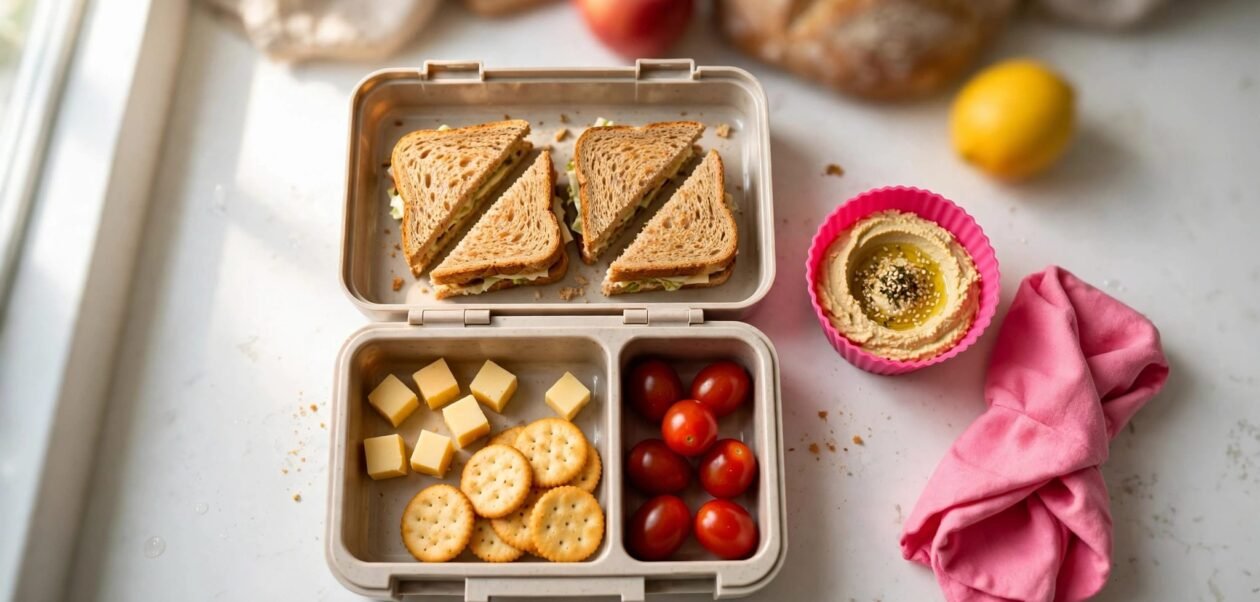
Healthy lunchbox ideas for kids with simple ingredients don’t call for a specialty grocery run. Most come together from bread, eggs, beans, and the fruit sitting in the bowl on your counter.
Even so, 7:15 a.m. has a way of making lunch feel impossible. You’re hunting for a matching lid, the clock is moving, and the only thing your child will confirm is that they don’t want “that” again. Packing something they’ll eat and you feel good about can turn into a small daily negotiation.
A long ingredient list isn’t the answer here. A filling base, a protein, fruit, and vegetables cover it, and swapping in what you already have keeps the whole thing manageable. Kids also eat differently from day to day, because appetite shifts with age, activity, and how long the school day runs.
So the lunches that survive a real morning are built on a simple structure, one you can bend to fit whatever’s in the fridge.
I’ll cover that flexible formula, easy ideas for sandwiches, grain bowls, and snack boxes, prep tips that buy back your mornings, and the food safety details that keep everything fresh until noon. Start with one lunch you know will land.
The Simple Formula for a Balanced Lunchbox
Lunch packing gets easier once I stopped treating it like a recipe and started treating it like a formula. Four parts do the job: something filling, something with protein, a fruit, and a vegetable. Add dairy only if it suits the day.
The USDA MyPlate food groups give you a useful map for those parts, but they don’t hand down a portion size for a specific child. Appetite, age, activity, and how long the school day runs all change how much a kid wants at noon. So I pack amounts that look right for the child in front of me, not amounts that match a chart. Some days that’s a full sandwich; other days it’s half of one plus a handful of grapes.
Flexibility is the point. Healthy lunchbox ideas for kids with simple ingredients work because the parts swap around what’s already in the fridge, and the structure stays the same even when the food changes.
Pick a Filling Base and Protein
Start with a base your child can eat without a struggle. Whole-wheat bread, rice, pasta, crackers, and tortillas all work, and leftovers save you time. I cook one grain early in the week and use it across several lunches.
Then pair it with a protein. Egg or mashed beans on whole-wheat bread, rice with chicken or chickpeas, pasta tossed with tuna or white beans. For a meat-free version, lentils, mashed beans, or a hard-boiled egg step in without much fuss.
Canned beans and yesterday’s rice make these combinations quick to assemble on a rushed morning. Keep the pairings simple and repeat the ones your child finishes.
Add Fruits and Vegetables for Color and Crunch
Fruit and vegetables round out the lunch, and a little color goes a long way toward making the box look inviting. Apple slices, berries, and grapes pair well with carrot sticks, cucumber, or bell pepper strips. Cut grapes lengthwise for younger children, based on what they can chew comfortably at school.
I include one or two produce options my kids already like rather than testing something new at lunchtime. That keeps the box familiar enough to eat and still gives them something fresh. A small side of yogurt or cheese can add a familiar extra, though it doesn’t need to show up every day.
Build one lunch from this formula, then let the ingredients shift as the week goes on.
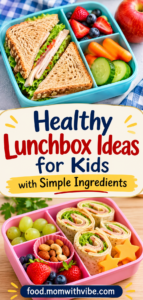
Healthy Lunchbox Ideas for Kids with Simple Ingredients
When I need lunch to come together without a recipe, I mix and match from what’s already in the kitchen. These healthy lunchbox ideas for kids with simple ingredients follow the same flexible structure: a filling base, a protein, fruit, and vegetables. You can swap bread for rice, hummus for yogurt dip, or chickpeas for chicken without rebuilding the whole lunch.
Easy Sandwiches, Wraps, and Pockets
A whole-wheat roll stuffed with cooked chicken, avocado, and grated carrot makes a filling lunch with little effort. For a meat-free option, mash chickpeas with plain yogurt or a splash of olive oil, then spread the mixture on sandwich bread. It holds together well and gives you a protein-rich filling without cooking anything new.
Pita pockets work just as nicely. Fill one with hummus and bell pepper strips, then add cucumber or shredded lettuce if your child likes crunch. Keep juicy fillings and wet spreads modest so the bread stays firm. Pack hummus or dressing in a small container and add it at lunchtime. That small step keeps sandwiches and pita from turning soggy before noon.
Simple Pasta, Rice, and Grain Bowls
Leftover pasta makes an easy base for lunch. Toss it with vegetables and beans, or add cooked chicken if you have some. For rice, stir in cooked egg and peas, or combine chickpeas with diced vegetables. A little olive oil or a spoonful of sauce brings the ingredients together without much prep.
I batch-cook one grain early in the week and use it in different ways. Rice can go with chickpeas one day and egg and peas the next. Quinoa, brown rice, or another grain your family keeps on hand works in the same formula. Pack dressings separately, and add tender greens just before eating so they don’t wilt. These bowls suit your child’s taste and use up small portions already in the fridge.
No-Fuss Snack Boxes and Savory Bites
A mix-and-match snack box works well for kids who prefer small bites. Pair cheese with crackers or pita, then add fruit, vegetable sticks, and a small portion of hummus. Use familiar choices such as apple slices, berries, cucumber, or carrots, and swap items based on what’s in the fridge.
Egg muffins or pieces of mini frittata add a savory option when you have them ready. Since eggs and cheese are perishable, pack them cold in an insulated lunch bag. Before packing, check which ingredients are allowed at school and read labels on packaged foods. A few small containers give you flexibility, and the lunch still feels familiar to your child.
Prep Ahead to Make Mornings Easier
A little prep on a quiet weekend or evening buys back time when the school run is loud and the clock is tight. I don’t plan every lunchbox down to the item. Instead, I set up a few building blocks that can move between meals: clean vegetables, a cooked grain, and leftover protein. Those pieces keep healthy lunchbox ideas for kids with simple ingredients within reach without turning prep into a second job.
You can start with one task, such as washing carrots, and add another when you have a free stretch of time. The goal is options, not a rigid menu.
Wash and Chop Vegetables Once
Sturdy vegetables hold up best when you prep them ahead. I rinse carrots, cucumbers, and bell peppers under running water, dry them well, and cut them into pieces my kids can manage. Then they go into airtight containers in the fridge.
Keeping wet dips separate from crunchy vegetables matters for texture. If hummus or yogurt dip sits against the vegetables, they can soften before lunch. Put the dip in a small sealed cup and add it at packing time. Delicate items, such as sliced fruit or leafy greens, work better when you add them closer to the morning. This small separation keeps crunch where you want it and gives you a fallback when plans change.
Cook a Grain and Use It All Week
One batch of rice, quinoa, or pasta can anchor several lunches. I cook a pot early in the week, cool it promptly, and store it in a shallow covered container in the refrigerator. From there, the grain changes shape. Rice with chickpeas and diced vegetables works one day; rice with cooked egg and peas works the next.
Pasta can go into a salad with beans, while quinoa can fill out a snack box or a grain bowl. Use cooked grains within a few days, and reheat only the portion you plan to eat. This single prep step gives you a base for healthy lunchbox ideas without cooking from scratch every morning.
Use Leftovers Creatively
Leftovers become lunch when you stop thinking of them as the same dinner again. Cooked chicken can go into a wrap with avocado and grated carrot. Leftover pasta can turn into a salad with beans and a little olive oil. Rice pairs well with frozen vegetables and a splash of sauce.
I keep a few combinations in mind instead of assigning each ingredient to a specific day. That way, a container of rice can become a grain bowl on Monday and part of a quick skillet dish on Wednesday. The flexibility matters more than the plan.
Keep Lunches Safe and Fresh Until Noon
Even the best healthy lunchbox ideas for kids with simple ingredients can fail if the food sits warm until noon. Perishable foods need to stay cold or hot from the moment you pack them. I treat the lunch bag as a small temperature system, not just a place to toss containers. Yogurt, cheese, eggs, and cooked chicken belong on the cold side. Soup, rice, or chili need a hot jar that holds heat. The rest comes down to texture, because wet dips and juicy fillings can turn a crisp lunch soggy. A few packing habits keep both problems in check, and they take less time than a morning scramble.
Pack Cold Foods with Cold Packs
Start with an insulated lunch bag for anything perishable. I use at least two cold sources, such as frozen gel packs, since one pack can lose its chill before lunch. The USDA recommends keeping cold foods at 40°F or below, and two cold sources help you hold that range. Tuck the packs against the food instead of letting them slide loose. Ask whether your child’s school has a refrigerator students can use. If it does, send the lunch in a bag that can go straight into it. If not, keep the bag closed and out of direct sunlight. Perishable food shouldn’t sit at room temperature for more than two hours, or one hour when the temperature is above 90°F.
Keep Hot Foods Hot in an Insulated Jar
Hot foods need the same attention. I use a clean insulated food jar for soup, rice, or chili. Fill the jar with boiling water and let it stand for a few minutes. Empty it, add the hot food, and seal the lid right away. That preheat step warms the jar so the food doesn’t lose heat on the way to school. Keep the jar closed until lunch. A hot dish should stay at 140°F or above, and the sealed jar helps hold that temperature. If you pack a hot meal alongside cold items, use separate containers so each side stays at the right temperature.
Avoid Soggy Bread and Limp Veggies
Texture problems start with moisture. I pack dressings, juicy tomato, and dips in small sealed containers. Then I add them at lunchtime, or keep them on the side so my child can dip. Crackers and chips go in their own bag or box. Tender greens and sliced fruit sit better when you add them just before eating. For sandwiches, keep wet fillings away from the bread until serving. If I know the lunch will sit in a warm classroom, I skip delicate extras and pack sturdier vegetables instead. Cucumber and tomato can release liquid as they sit, so those go in a separate container too. A little separation takes seconds in the morning and protects the lunch you packed.
Help Picky Eaters Enjoy More Variety
A picky eater doesn’t need a new menu. They need small, low-pressure changes that keep lunch recognizable while widening the options a little at a time. I’ve learned that pushing rarely works, and negotiating over every bite turns a lunchbox into a battleground. Instead, I keep the familiar foods in rotation and add variety through narrow choices and single swaps.
The American Academy of Pediatrics supports offering new foods more than once, without requiring a child to finish them. A small portion next to a favorite takes the pressure off, and repetition does the rest.
Offer Small Choices Between Familiar Foods
Give your child two options you’re genuinely happy to pack: an apple or berries, hummus or yogurt dip, a sandwich or a rice bowl. They get a say in what shows up, and you keep the lunch balanced either way.
I set sides out separately too, so my kids can decide whether to add cucumber or bell pepper. These small decisions make lunch feel like theirs. Keep the choices tight, though. A long list of options invites a longer negotiation, and that’s the last thing a school morning needs.
Change One Ingredient at a Time
Start with a lunch your child already eats, then swap a single piece. Same sandwich, different fruit. A new spread in place of the usual one. White rice becomes brown rice if your child is comfortable with the texture.
One change keeps lunch familiar while quietly widening what they’ll accept. I change something small every week or so, and I don’t announce it. If the swap doesn’t land, I go back to the original and try again later. Healthy lunchbox ideas for kids with simple ingredients work best when they bend to your child’s tastes rather than fight them.
A rejected food isn’t a failed lunch. It’s a signal to try a smaller portion or a different texture next time.
Use What Comes Home as a Guide
Check what’s left in the box at pickup and treat it as information. Maybe the portion was larger than your child wanted that day. Perhaps the carrots were too hard to chew, or the vegetables needed a dip to make them easier to manage.
Adjust the next lunch based on what you see. Cut the veggies smaller, add a small cup of hummus, or pack less overall. Then keep offering the food over time. Familiar choices and gradual changes are how variety builds, and you don’t need every lunch to be a hit.
Conclusion
Packing lunch doesn’t have to be a daily negotiation. The formula carries the weight: a filling base, a protein, fruit, and vegetables, with dairy along for the ride when it fits. From there, bread becomes a chickpea sandwich, leftover rice turns into a grain bowl with peas and egg, and a snack box of cheese, crackers, and cucumber fills in on mornings when nothing else sounds good.
Prep matters less than the habit itself. Wash a few vegetables, cook one grain, keep dips away from the crunchy things, and pack perishables with two cold sources so lunch arrives the way it left your kitchen. When something comes home uneaten, treat it as a note for next time rather than a reason to start over.
The best healthy lunchbox ideas for kids with simple ingredients are the ones your child actually eats, and that usually means less variety than you’d expect. Start with one or two lunches you know will land. Build on the combinations your child finishes, and swap a single ingredient when you’re ready for something new. A few simple ingredients, used well, are enough.
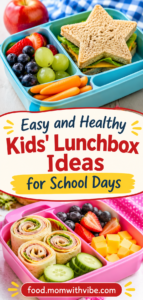
Save pin for later

- Air Fryer Salmon Bites with Quick Lemon-Dill Yogurt Sauce - November 26, 2026
- Healthy Spinach Pasta with White Beans and Parmesan - November 26, 2026
- Easy Tofu Stir-Fry with Vegetables and Ginger Sauce - November 26, 2026


