Some nights dessert needs to happen fast, and a tray of something cold and creamy already waiting in the freezer solves the problem before it starts.
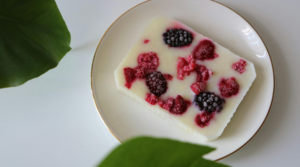
Our frozen yogurt bark with berries and pistachios fits that gap. We spread thick yogurt across a lined tray, scatter berries and chopped pistachios over the top, and let the freezer do the rest. Once it’s firm, the slab breaks into rough shards that stack neatly in a container and come out whenever you want one.
The berries bring color and a jammy bite, while the pistachios add the crunch that keeps each piece from tasting flat. From there, it’s simple steps, smart swaps, and a few storage habits that keep the bark fresh.
Here’s how to make it, starting with the basic recipe.
Frozen Yogurt Bark with Berries and Pistachios: A Simple Make-Ahead Treat
The bark starts with a short ingredient list: 2 cups plain Greek yogurt, 1 cup mixed berries, and 1/3 cup shelled pistachios. A little honey or vanilla is optional; taste the yogurt first and add sweetness only if it needs it. Those proportions fill a standard rimmed baking sheet with a layer thick enough to hold together. You can shift them to suit your tray, your appetite, or the fruit you have on hand. Thick Greek yogurt works best because it sets firm rather than turning icy. Fresh berries should be dry before they go on the tray.
What You Need to Make the Bark

Gather a rimmed baking sheet, a sheet of parchment paper, an offset spatula or the back of a spoon, and a sharp knife. Parchment matters because it keeps the yogurt from sticking and lets you lift the frozen slab in one piece.
Plain Greek yogurt is the reliable base. Regular yogurt can work if you strain it first, but it may freeze softer. Shelled pistachios should be roughly chopped so they scatter evenly instead of clustering in one spot. If you use fresh berries, rinse them only when needed, then pat them dry with a paper towel. Extra water turns into ice crystals and gives the bark a gritty bite. Halve large strawberries so they sit flat against the yogurt.
How to Spread, Top, and Freeze the Yogurt
Line the baking sheet with parchment, leaving an overhang on two sides. The overhang gives you handles when the slab is ready to lift. Spoon the yogurt into the center of the pan, then spread it into an even layer about 1/4 inch thick. An offset spatula makes quick work of this, though the back of a spoon works too. Keep the layer level so it freezes at the same rate across the pan.
Scatter the berries and chopped pistachios over the surface. Press them in lightly with the spatula or your fingertips so they sink into the yogurt instead of sitting loose on top. Work quickly if your kitchen is warm; if the yogurt starts to soften, slide the tray into the freezer for a few minutes before finishing.
Freeze uncovered until the bark is firm, usually 2 to 3 hours. A thicker layer may need closer to 4 hours. Check the center by pressing it with a clean finger; it should feel solid, not soft or tacky. If the middle still gives, return the tray to the freezer and check again in 30 minutes.
How to Break and Serve the Frozen Bark
Let the slab sit at room temperature for a minute or two before breaking it. A knife or clean hands can make uneven shards, which look better than perfect squares. Work over a cutting board or a sheet of parchment to catch the crumbs. Serve the bark right away, because it softens quickly once it leaves the freezer. Pile the pieces on a chilled plate if you’re setting them out for guests.
Break only what you plan to serve. Returning soft bark to the freezer changes its texture, so keep the rest frozen until you need it.
Mix-and-Match Variations for Frozen Yogurt Bark
The base stays the same no matter what you pile on top: thick plain Greek yogurt spread thin, frozen solid, broken into shards. What changes is everything after that first layer. Once you have a tray you trust, the fruit and toppings become a place to play.
I like to think of the bark as a template rather than a fixed recipe. You pick a berry, you pick a nut or seed, you decide whether the batch needs a little sweetness or spice. Each swap takes seconds and gives you a bark that tastes completely different from the last one. Below are a few combinations I keep coming back to, along with small adjustments that make each tray land the way you want.
Try Different Berry and Nut Pairings
Some pairings just work, and they give you a starting point when the fridge is full and you can’t decide.
- Raspberries with pistachios bring tartness against a buttery crunch. This is the combination in our main recipe, and it handles a drizzle of honey well.
- Blueberries with almonds taste mild and mellow. Sliced almonds scatter more evenly than whole ones and sit flatter against the yogurt.
- Strawberries with pecans lean sweeter and richer. Halve or quarter the berries so they freeze through instead of staying soft in the middle.
Chop your nuts small. Large pieces create weak spots where the slab cracks unevenly, and a fine chop lets every shard get a little crunch. Press the toppings in gently so they hold.
Add a Swirl of Sweetness or Spice
Flavor additions are where a plain tray becomes something guests ask about. A spoon of honey stirred into the yogurt base adds a soft roundness. A splash of vanilla does similar work with less sugar, and a pinch of cinnamon gives the whole batch a warm note that suits fall berries.
For a brighter tray, grate a little lemon zest over the yogurt before you spread it. The citrus cuts through the richness and makes the fruit taste more like itself.
Go light with all of it. Ripe berries carry plenty of sweetness on their own, and an overloaded base freezes with a softer set. Taste the yogurt before it goes on the tray, then add a small amount and taste again. You can always serve the finished bark with a little extra honey, but you can’t take it back out.
Make-Ahead Tips for Clean Slices and Bright Flavor
The difference between bark that snaps into clean shards and bark that turns soft and messy is often a handful of small moves. A paper towel, a lighter hand with the toppings, and a short rest before breaking can change how the frozen yogurt bark with berries and pistachios sets and tastes. These are the habits we rely on when we want a tray that looks good enough for guests and still holds up after a few days in the freezer.
Keep Moisture and Toppings Under Control
Wet fruit is the fastest route to an icy, loose bark. Rinse berries only when they need it, then pat them dry with a paper towel. Let them sit for a few minutes so surface water wicks away. If you use frozen berries, thaw and drain them first, or scatter them straight from the freezer and expect a softer set.
Chop the pistachios to a fairly even size. Large pieces create weak spots where the slab breaks unevenly, while fine crumbs disappear into the yogurt. Aim for pieces about the size of a pea.
Resist the urge to pile on toppings. A crowded tray freezes with soft pockets around the fruit and nuts. Press each berry and pistachio into the yogurt with your fingertips or the spatula so it stays put. A light, even layer gives you cleaner slices and a brighter flavor in every bite.
Fix Common Texture Problems
Yogurt that feels too thin will freeze into a soft, icy sheet. Use thick Greek yogurt, or strain regular yogurt for a few hours before you start. Spread the base no thicker than 1/4 inch, because a thin layer freezes faster and breaks more cleanly. If the yogurt has been sitting at room temperature, chill it first.
When bark cracks in the wrong place, uneven thickness is usually the cause. Level the surface before freezing, and keep large berries away from the center of the pan. Let the slab rest at room temperature for a minute or two before breaking. That short rest softens the edges just enough to control where the cracks travel. Score lines with a knife first if you want neater pieces.
Toppings that fall off need a little more pressure. Press them deeper into the yogurt, or add them after the bark has frozen for 30 minutes, when the surface is firm enough to hold them. A thin drizzle of yogurt over the top also acts like glue.
Storing and Serving Frozen Yogurt Bark
Once the tray is firm and broken, the work shifts from making to keeping. Frozen yogurt bark with berries and pistachios depends on a steady freeze and quick serving. Dairy softens fast at room temperature, and refreezing a piece that has warmed changes its texture. A few storage habits protect the crunch of the pistachios and the bright taste of the berries. They also help you serve safe portions without leaving the whole batch out on the counter.

Freeze It in Pieces for Easy Snacking
Break the slab before you store it. Use a sharp knife or your hands to crack the frozen bark into irregular shards, then work over parchment or a cutting board so the crumbs stay contained. Small pieces thaw faster than a whole slab and let you serve a few at a time.
Pack the shards in an airtight container, adding a sheet of parchment between each layer. The paper stops pieces from fusing together and keeps toppings from knocking loose. Press the lid down firmly, then set the container toward the back of the freezer where the temperature stays steady.
Take out only what you plan to eat. A piece that softens on the plate should not go back into the container, because refreezing gives it a grainy texture. For a party, move a small batch to a chilled plate and leave the rest in the freezer. That way every serving stays cold and crisp.
How Long It Keeps and When to Toss It
Your recipe’s storage notes are the best guide for how long a batch keeps, since yogurt, fruit, and added sweeteners all affect texture over time. Follow those notes instead of guessing. Label the container with the date you made the bark if you store several batches, then use the oldest first.
At serving time, keep the bark cold. The two-hour rule applies to dairy-based treats: perishable food should not sit at room temperature for more than two hours, or one hour when the temperature is above 90°F. Set out small portions and return the container to the freezer promptly.
Discard any pieces that stayed out past that window. Toss bark that looks off, feels sticky, or smells sour, even if the surface seems fine. When in doubt, throw it out. A fresh batch is safer than a risky bite.
Serving Frozen Yogurt Bark at Parties and Family Snacks
A batch of frozen yogurt bark with berries and pistachios works for more than dessert after dinner. I bring it out at casual cookouts, set it on the table for a family movie night, and keep a container in the freezer for quick afternoon snacks. The pieces stay cold, taste fresh, and need no plates or forks. That low-fuss setup makes the bark a natural fit when people drift in and out of the kitchen.
Set Up a Cool Serving Station
I set out a small batch on a cold tray and leave the rest in the freezer. A tray pulled straight from the fridge holds the pieces firm for a little longer, and a shallow bowl nested in ice works when the table sits far from the kitchen. For outdoor events, tuck a frozen gel pack under the tray or use a cooler with the lid propped open. Refill the tray as people eat instead of piling every shard on display. That habit keeps the bark crisp and stops the pieces from softening into a sticky pile. On a warm day, place the tray in the shade and check it between servings. Set out only what you expect people to eat soon, then return the container to the freezer. A small sign or a quick word to guests helps them take one piece at a time.
Pair It with Other Simple Treats
The bark fits a table with fresh fruit, small yogurt cups, and a simple snack board. I keep portions small because the bark is rich and cold, and a few pieces go a long way. A bowl of strawberries or sliced pears adds color and gives people a lighter option between sweets. Small yogurt cups or a dish of plain yogurt with honey round out the spread for anyone who wants something creamy. Keep dairy-based items chilled until serving, and set out just enough for the next hour. A small board with crackers, cheese, and a handful of pistachios fills gaps without turning snack time into a project. For kids, arrange two or three pieces on a small plate with fruit so they can grab a snack without reaching across the table. Refill as needed, then put the rest away.
Conclusion
Frozen yogurt bark with berries and pistachios rewards you with the same easy payoff every time: thick yogurt, a scatter of fruit and nuts, a few hours in the freezer, and dessert is handled. The base recipe is the place to start, because it teaches you the right thickness, the right chill, and how firmly to press the toppings in. Then make one change on the next tray. Swap raspberries for blueberries, trade pistachios for almonds, or stir a little honey into the yogurt. Small moves, one at a time, teach you what you like far better than changing everything at once.
Flexibility is what makes this bark worth keeping in rotation. It suits a party platter, a weeknight craving, or a snack straight from the container.
So clear a spot in the freezer and line a tray this week. A batch of bark costs you a few minutes now and pays you back in cold, crunchy pieces whenever a sweet craving shows up unannounced.
Save pin for later


- Air Fryer Salmon Bites with Quick Lemon-Dill Yogurt Sauce - November 26, 2026
- Healthy Spinach Pasta with White Beans and Parmesan - November 26, 2026
- Easy Tofu Stir-Fry with Vegetables and Ginger Sauce - November 26, 2026