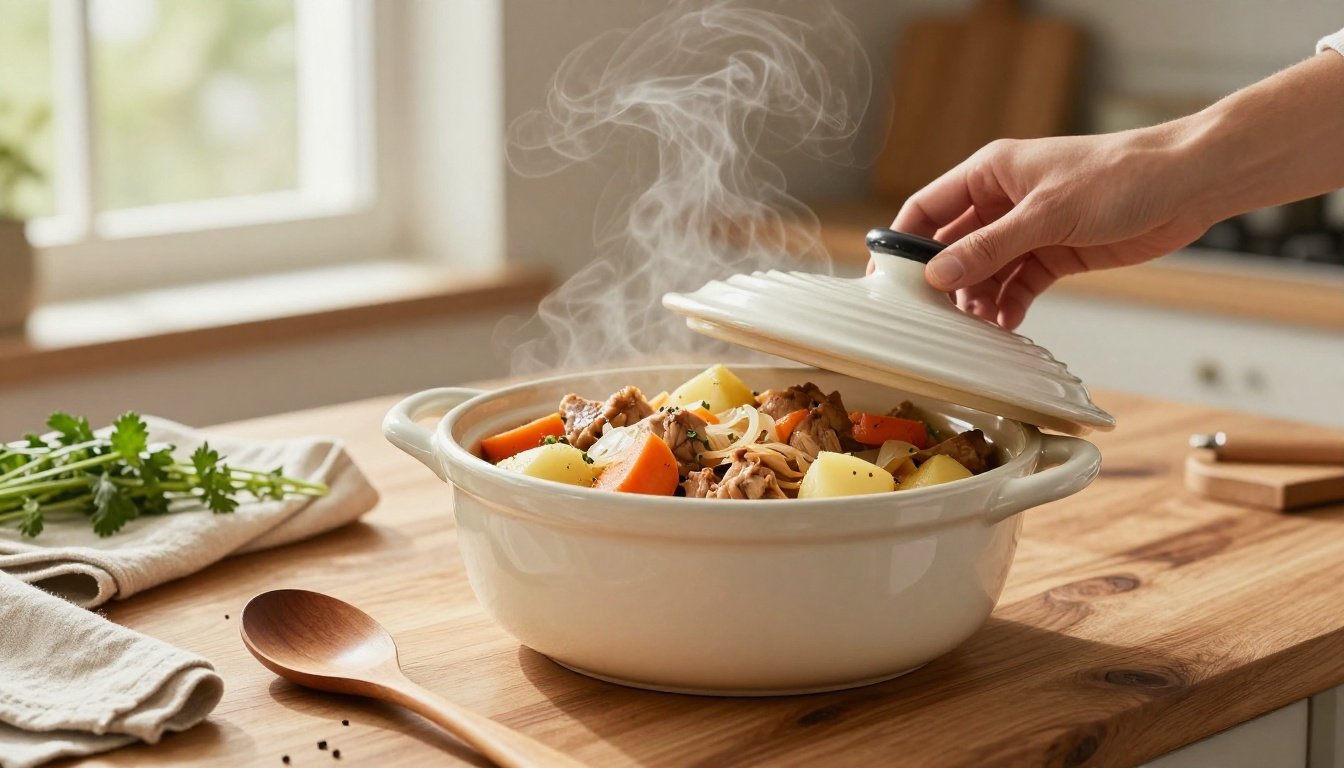
Creamy risotto is comforting, and tender butternut squash makes it a cozy meal. Brown rice takes longer to cook than Arborio and keeps a chewier bite, so this recipe uses a patient, risotto-style method rather than treating the grains as a direct swap.
A few practical choices help the rice turn out tender and the squash stay soft without falling apart. You’ll find guidance on ingredients, texture, easy variations, and storing and reheating leftovers as you cook.
Healthy Butternut Squash Risotto with Brown Rice: Recipe at a Glance
This one-pot risotto pairs nutty brown rice with soft, sweet butternut squash and savory aromatics. It makes about 4 servings, with roughly 15 minutes of prep and 50 to 60 minutes of cooking. Use the timing as a guide, since rice type, brand, and cooking temperature can affect how quickly the grains soften.
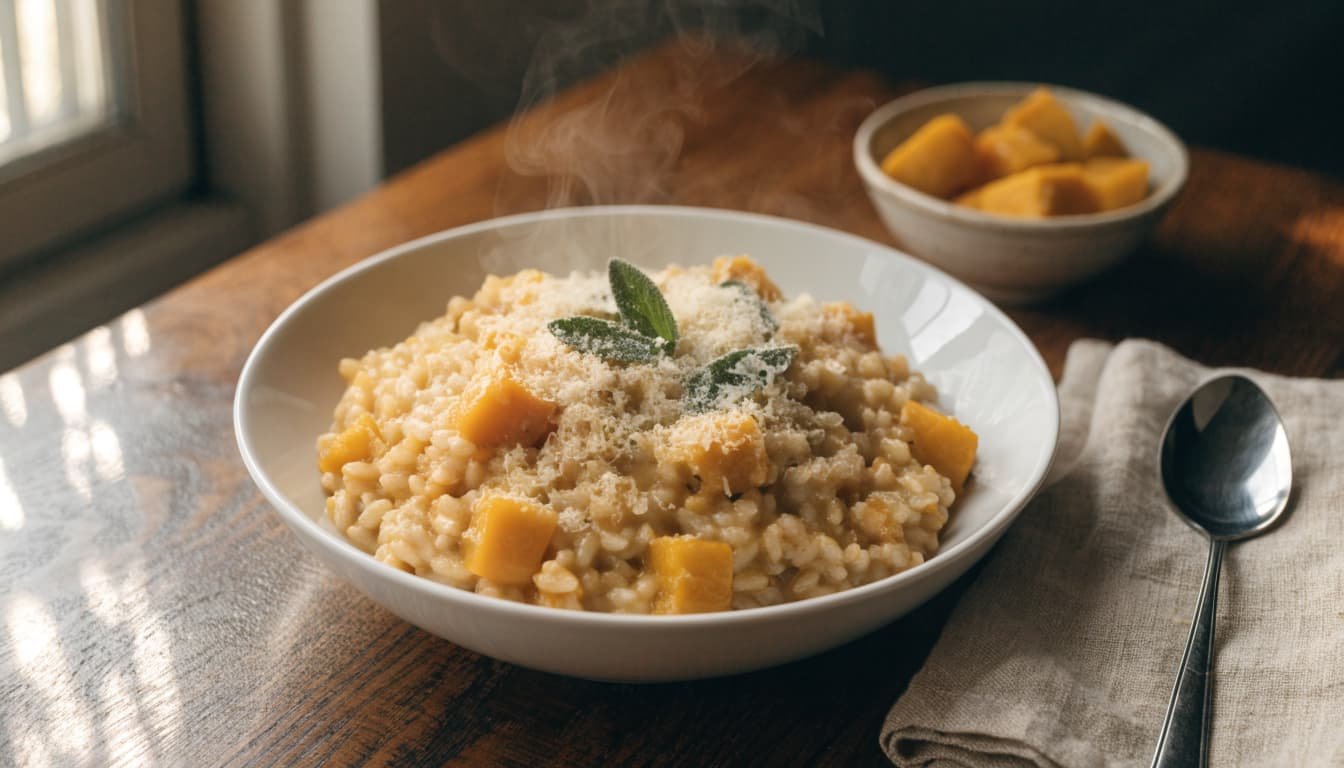
What to expect from brown rice in risotto
Brown rice keeps a distinct, pleasantly chewy bite and doesn’t release starch quite like Arborio rice. The result is less glossy and thick than a classic risotto, but it can still feel creamy when you stir in warm stock gradually and finish the pot while there’s a little liquid left.
The goal is tender grains with slight firmness and a loose, spoonable finish. Long-grain brown rice often takes about 40 to 45 minutes to simmer, but treat that as a starting point, not a promise. Begin checking the grains near the shorter end of the time range, and add more warm stock if the rice is still firm or the pot looks dry. Brown rice needs more liquid and time than white risotto rice, so keep extra stock close by.
The main ingredients and why they work
Butternut squash softens as it cooks, adding gentle sweetness and a substantial serving of vegetables to each bowl. Onion and garlic give the pot a savory base, while warm vegetable or chicken stock adds flavor as the rice absorbs it. Choose low-sodium stock if you want more control over the salt, especially if you plan to add Parmesan.
Olive oil helps soften the aromatics and coat the rice. A little Parmesan makes the finished dish richer and saltier, while sage adds an earthy note that suits the squash. Both are optional, so you can adjust the finish to fit your table.
For a quick ingredient guide, start with brown rice, diced butternut squash, warm stock, chopped onion, minced garlic, and olive oil. Set aside Parmesan or sage if you’d like them. Nutrition will vary with portion size, stock, oil, and toppings; Nutrition.gov’s food database resources can help you look up individual ingredients.
Choose Ingredients and Make Simple Healthy Swaps
A few ingredient choices can make this brown rice risotto easier to manage and help you adjust it for different tastes. Start with squash and rice that suit the texture you want, then make small changes to the stock or finish as needed.
Pick squash, rice, and stock for the best texture
Choose a butternut squash with firm, unblemished skin and no soft spots. Cut it into evenly sized cubes so the pieces cook at a similar rate and soften without some turning mushy while others stay firm.
Brown rice varies by grain type and brand, so check the package before you begin. The cooking time and liquid amount on the label offer a better guide than a fixed rule. Keep extra hot stock or water nearby; if the rice is still firm or the pot looks dry, add a little more as needed. Warm the stock before adding it so the risotto keeps a steady simmer. Serious Eats’ risotto method also uses hot stock for gradual additions.

Keep it vegetarian, dairy-free, or lighter
For a vegetarian version, use vegetable stock and check the Parmesan label. Some Parmesan is made with animal-derived rennet, so look for cheese made with suitable vegetarian enzymes if that matters to you.
To make the risotto dairy-free, use olive oil and leave out the cheese. You can still finish the pot with herbs or black pepper for extra flavor. If you want a lighter finish without changing the whole recipe, use less butter or cheese than the recipe calls for.
Arborio rice is another option if you prefer a creamier, more classic risotto texture. It cooks faster than brown rice and releases more starch, so it needs different timing. Follow the Arborio package directions and begin checking it earlier rather than using the brown rice cooking time.
How to Make Brown Rice Butternut Squash Risotto
Brown rice needs more time than Arborio, so cook it gradually and check the grains rather than relying on the clock. Cook the squash separately, then fold it in near the end to help the cubes keep their shape.

Prepare the squash and keep the stock warm
Peel the butternut squash, scoop out the seeds, and cut the flesh into evenly sized cubes. Roast the cubes with a little olive oil until fork-tender, or sauté them in a skillet until soft but still holding their shape. Set them aside while the rice cooks.
Cooking the squash on its own keeps it from breaking down as you stir the rice. Meanwhile, heat the stock in a nearby pot and keep it at a gentle simmer. Hot stock helps the risotto keep cooking steadily each time you add more.
Soften the aromatics and toast the rice
Warm olive oil in a wide, heavy pan over medium heat. Add the chopped onion and cook until soft and translucent, then stir in the garlic and optional sage. Cook just until fragrant; browned garlic can taste bitter.
Add the rinsed, drained brown rice and stir until the grains are coated in oil and lightly toasted. If you’re using white wine, pour in a small splash and scrape the bottom of the pan to loosen any browned bits. Let most of the wine evaporate before adding stock.
Add stock gradually and test the rice for doneness
Add a modest ladleful of hot stock and stir frequently, scraping the bottom and sides of the pan. When most of the liquid has absorbed, add another ladleful. Keep the pan moist as the rice cooks, adding more stock before the grains or pan become dry.
Start checking around 40 to 45 minutes, but treat that as a guide. Brown rice timing varies; this brown rice cooking guide offers another reference point. Taste a few grains. They should be tender with a little bite, not hard in the center. If they’re still firm, keep adding hot stock and cooking, even if the rice needs more time.
Fold in the squash and finish with a creamy, loose texture
When the rice is tender, gently fold in the cooked squash. Stir in Parmesan, a little olive oil or butter, and fresh herbs if you’re using them. Gentle mixing helps the squash stay in distinct pieces.
The finished risotto should look creamy and spoonable, not stiff. If it thickens too much, loosen it with a splash of hot stock or water. Taste before adding salt, since the stock and Parmesan may already provide enough.
Fix Texture Problems and Make the Flavor Your Own
A few small adjustments can bring healthy butternut squash risotto with brown rice back to a creamy, spoonable texture. Check the rice before adding more ingredients, then finish with a light touch so the squash keeps its shape.
What to do if the rice is firm or the risotto turns thick
Taste a few grains before deciding the rice is done. Brown rice naturally stays chewier than Arborio, but it shouldn’t be crunchy or hard in the center. If it still feels firm, continue cooking and add hot stock or water a little at a time. Let the rice absorb most of each addition, then taste again.
If the liquid disappears before the grains are tender, add more hot liquid instead of turning up the heat. A stronger simmer can dry the pan faster without giving the rice enough time to soften. Keep the heat steady and check the grains every few minutes.
Risotto also thickens as it sits. If the finished pot looks stiff, stir in warm stock or water a splash at a time until it loosens. Fold gently, especially after adding the squash. The cubes are already tender, so vigorous stirring can break them apart and make the dish uneven.
Add herbs, greens, or a little crunch
Sage and thyme pair well with the squash’s mild sweetness. For a fresher finish, add chopped parsley, a little black pepper, or a small amount of lemon zest. Start with one or two additions, taste, and adjust. Too many strong flavors can crowd the nutty rice and squash.

Tender greens, such as spinach, can go in near the end. Stir in a small handful while the risotto is hot and still has a little liquid, just until the leaves wilt. If the greens seem wet after washing, dry them first so they don’t thin the risotto.
For contrast, sprinkle toasted pumpkin seeds over each serving at the table. They add a crisp bite without changing the texture of the pot. Keep the amount modest, and avoid stirring them in ahead of time, since they soften as they sit. You can also set out herbs, lemon zest, or extra black pepper so everyone can finish a bowl to taste.
Serve, Store, and Reheat Risotto Safely
This brown rice risotto is hearty enough to serve on its own, and leftovers are easy to enjoy when you handle them promptly. Keep fresh sides simple, chill extra portions quickly, and reheat only what you plan to eat.
Pair it with simple sides for a complete meal
A crisp green salad, lightly cooked spinach or kale, or a few roasted vegetables add freshness without making the meal feel too heavy. The risotto is filling on its own, so small portions of sides are enough. Finish each bowl with chopped fresh herbs or a little lemon juice or zest.

Cool and refrigerate leftovers promptly
Cooked rice needs prompt handling because Bacillus cereus spores can survive cooking and may grow if rice sits at room temperature. For a cautious rice-specific approach, aim to cool and refrigerate leftovers within one hour. Divide the risotto into covered, shallow containers so it cools faster, rather than leaving a large batch on the counter. Keep your refrigerator at 40°F or below.
USDA guidance for cooked leftovers sets a general limit of two hours at room temperature, or one hour when the temperature is above 90°F. This recipe uses the shorter one-hour window as a conservative approach for cooked rice. The FoodSafety.gov leftover guidance also recommends reheating leftovers to 165°F. For this rice dish, use refrigerated leftovers within one day for extra caution. Discard risotto that has been left out too long; reheating cannot reliably make mishandled rice safe.
Reheat gently with a splash of liquid
Reheat only the portion you need. On the stovetop, place it in a pan over low to medium-low heat and stir in a little stock or water. Keep stirring until the risotto is hot throughout and creamy again. Check the center with a food thermometer and heat it to 165°F.
For one serving, a microwave works well. Put the risotto in a microwave-safe dish, cover it, and stir partway through heating so it warms more evenly. Check the temperature in the center before eating.
The rice may be firmer after chilling, and its texture may soften as it reheats. Add liquid a little at a time; too much can make the risotto loose. Fresh herbs or a small squeeze of lemon make a bright finishing touch.
Conclusion
Healthy Butternut Squash Risotto with Brown Rice comes together with a little patience and a few simple checks. Brown rice needs extra time and liquid, so keep the stock warm, stir gently and often, and taste the grains before deciding they’re done. Fold in the tender squash near the end to help it keep its shape.
Adjust the herbs, cheese, and toppings to suit your table. The result is a cozy, spoonable risotto with chewy rice and soft, sweet squash.

- Christmas Cookie Ideas for Every Holiday Baker - November 9, 2026
- Christmas Cocktails: Party Drinks, Cozy Sips, and Mocktails - November 9, 2026
- 20 Christmas Appetizer Ideas for Every Holiday Spread - November 9, 2026