

Soft, warmly spiced pumpkin sugar cookies make a cozy fall treat, with a tender bite that’s lovely with coffee or a glass of milk. Pumpkin puree adds flavor and moisture, but too much moisture can leave cookie dough soft and the cookies more cakey than tender.
I’ll show you a simple, reliable way to prepare the puree and make cookies with clear steps, plus easy options for decorating them. Let’s start with the key to getting the dough texture right.
What Makes These Pumpkin Sugar Cookies Soft and Flavorful
A good pumpkin sugar cookie needs enough pumpkin for its warm, earthy flavor, but too much moisture can change the dough. Butter and sugar bring tenderness, flour gives the cookies structure, and spice rounds out the pumpkin. The first step is blotting the puree so those ingredients stay in balance.
Blot the Pumpkin Puree to Prevent Spreading
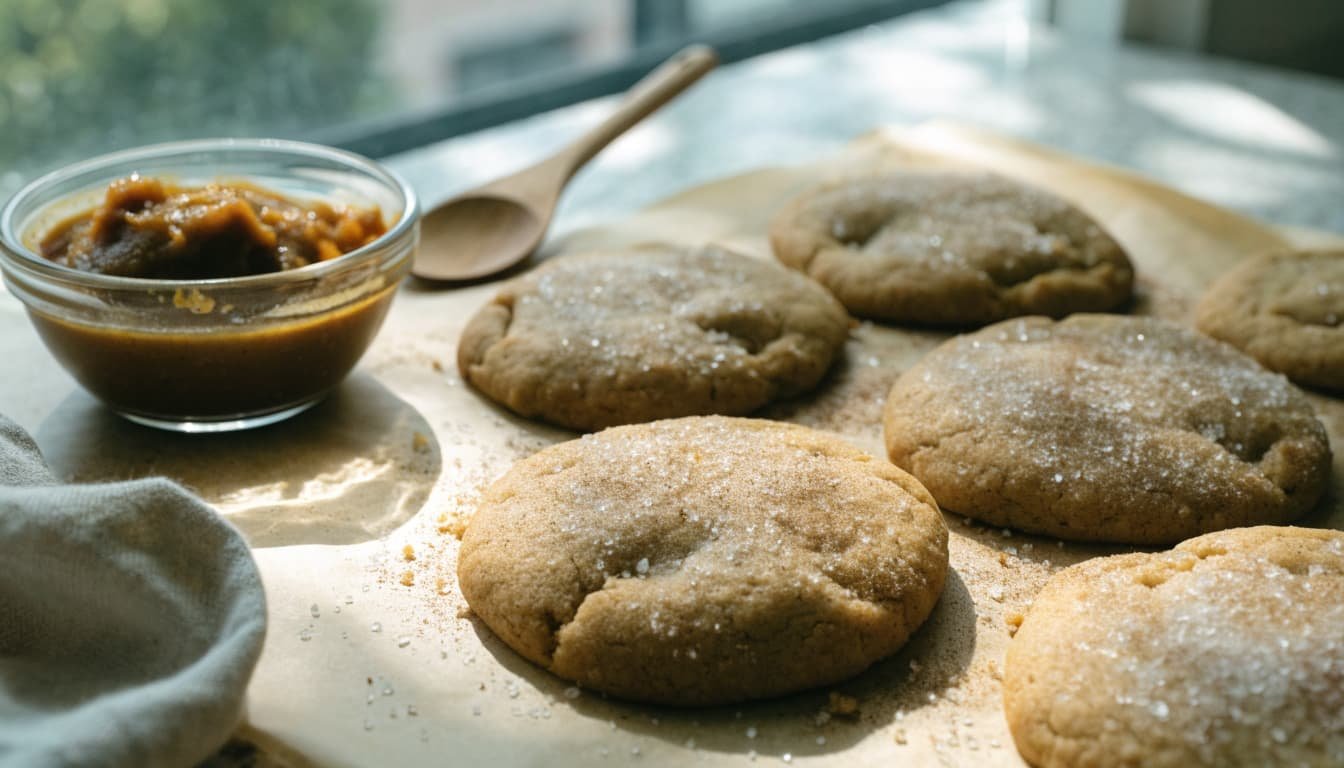
Canned pumpkin puree holds extra water. Added straight from the can, it can make cookie dough too wet, leading to cookies that turn out cakey, spread unevenly, or both. Blotting helps remove some of that moisture before it has a chance to affect the dough.
Start with about 1/2 cup of pumpkin puree. Spread it on a few layers of paper towel, then press gently with more paper towels until the puree looks thicker. You should have roughly 1/4 to 1/3 cup left, depending on how much water the puree releases. If you prefer, let it drain in a fine-mesh strainer instead.
Use plain pumpkin puree, not pumpkin pie filling. Pie filling is already sweetened and spiced, so it can throw off the recipe’s sugar and seasoning. The two products are different, as this canned pumpkin guide explains.
How Butter, Egg Yolks, and Spices Shape the Texture
Softened butter and sugar work together to give the cookies a tender texture and a buttery base. Cream them until the mixture looks smooth and fluffy, but don’t rely on extra butter to make the cookies softer. Too much fat can affect how they spread, while enough flour helps the dough hold its shape. Measuring flour carefully matters, since packing too much into the cup can leave the cookies dry.
Egg yolks add richness and help bind the dough. When a recipe uses one or two yolks instead of whole eggs, it gets that richness without as much added moisture from the whites. The pumpkin already brings moisture, so this balance can help keep the cookies tender rather than overly cakey.
For flavor, use pumpkin pie spice or a mix of cinnamon, ginger, nutmeg, and cloves. Start with the amount in your recipe, then adjust the blend next time to suit your taste. The pumpkin should come through, with the spices giving each bite a cozy, warm finish. Cookie texture can vary with the puree’s moisture and how the flour is measured, so blotting the pumpkin and following the recipe’s measurements closely gives you a more reliable result.
Pumpkin Sugar Cookies: Ingredients and Helpful Swaps
The ingredients in pumpkin sugar cookies each have a job. Butter and sugar give the cookies richness and tenderness, while flour provides structure. Blotted pumpkin adds its earthy flavor without making the dough overly wet.
Measure the Flour and Choose the Right Pumpkin
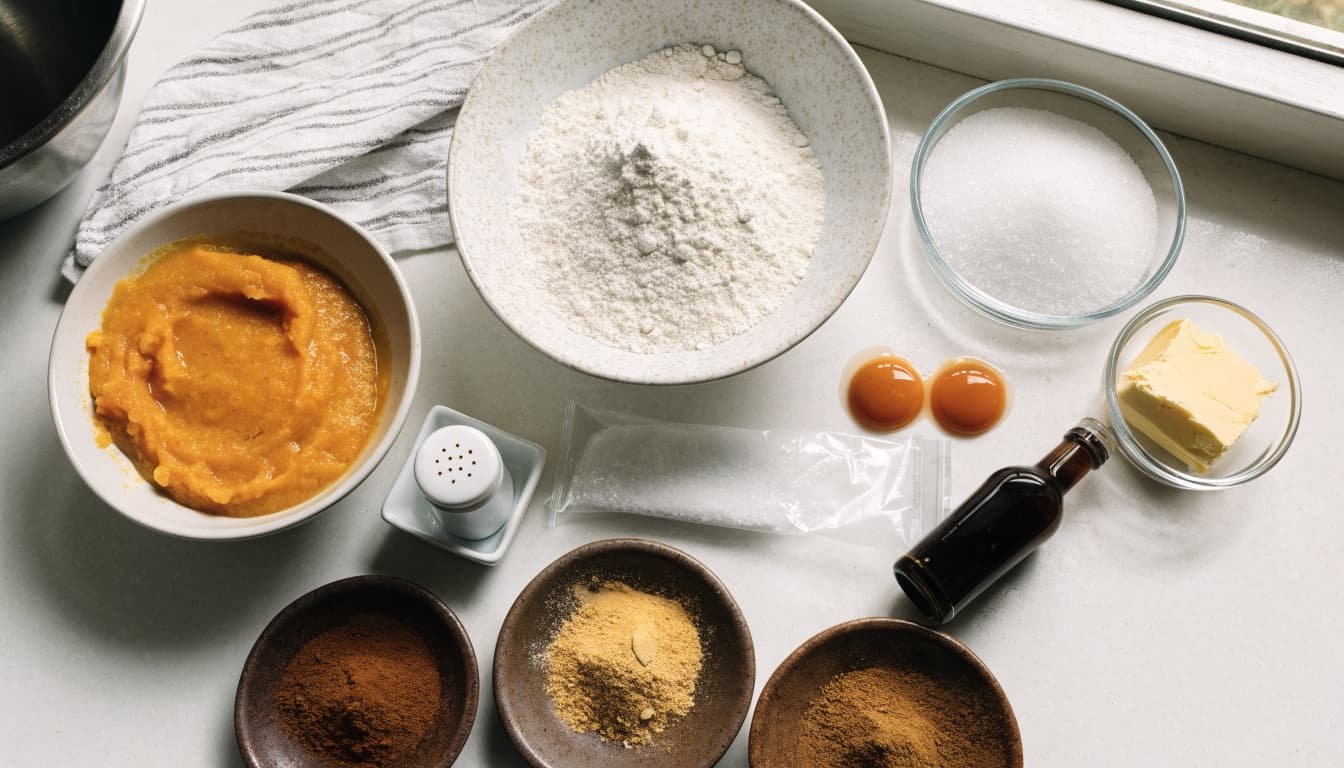
For a standard batch, gather softened butter, granulated sugar, blotted pumpkin puree, an egg or egg yolks, all-purpose flour, baking powder or baking soda, salt, vanilla, and warm spices. Each ingredient helps shape the final cookie: leavening gives the dough a little lift, salt balances the sweetness, and vanilla rounds out the pumpkin and spices.
Measure flour by spooning it lightly into a dry measuring cup, then leveling the top with a straight edge. Scooping directly from the bag can pack in extra flour, which may leave the cookies dry or firm. King Arthur’s flour-measuring guide shows the same careful approach.
Choose 100% pure pumpkin puree, not pumpkin pie filling. Pure puree is unsweetened and unspiced, so you can control the flavor in the recipe. Pie filling already contains sugar and spices, which can make the cookies too sweet and throw off the dough’s balance. As in the previous step, blot the puree before measuring it into your dough.
Easy Ingredient Changes That Still Work
You can use a pumpkin pie spice blend in place of separate spices like cinnamon, ginger, nutmeg, and cloves. Keep the total amount close to what the recipe calls for, since blends vary in strength. A dairy-free butter alternative can also work, provided it’s made for baking and behaves much like regular butter. Very soft spreads or products with extra water may change how the cookies spread.
Be more cautious with the main ingredients. Changing the flour, sugar, or pumpkin amounts can shift the dough’s moisture and structure, affecting both spread and texture. For the soft, tender result you want, keep those amounts as written and make small flavor swaps instead.
How to Make Pumpkin Sugar Cookies Step by Step
Once your pumpkin puree is blotted and your ingredients are measured, the dough comes together easily. Work in stages, and stop mixing as soon as the flour disappears. That keeps the cookies tender instead of tough.
Mix and Chill the Dough for Cookies That Hold Their Shape
Beat the softened butter and sugar on medium speed for about 2 to 3 minutes, until the mixture looks pale, light, and fluffy. Creaming adds air to the dough, which helps give the cookies a soft texture. Serious Eats explains how creaming butter and sugar affects cookie structure.
Add the blotted pumpkin puree, vanilla, and egg or egg yolks. Mix until smooth, scraping down the bowl so everything is evenly combined. In a separate bowl, whisk together the flour, spices, salt, and leavening. Add the dry mixture to the butter mixture in a few additions, mixing on low speed. Stop when no dry flour remains. A few seconds of extra mixing can make cookies firmer than you want.
Cover the dough and chill it for 30 minutes to 1 hour, until it feels firmer and easier to scoop. Chilled dough spreads less in the oven, which helps the cookies keep their shape. King Arthur Baking also recommends chilling pumpkin cookie dough.
Bake Until the Edges Set and the Centers Stay Soft
Heat the oven to 350°F and line a baking sheet with parchment paper. Scoop the chilled dough into even portions, leaving space between them for a little spread. If you like a neater shape, gently round each portion with your hands, but avoid packing the dough tightly.
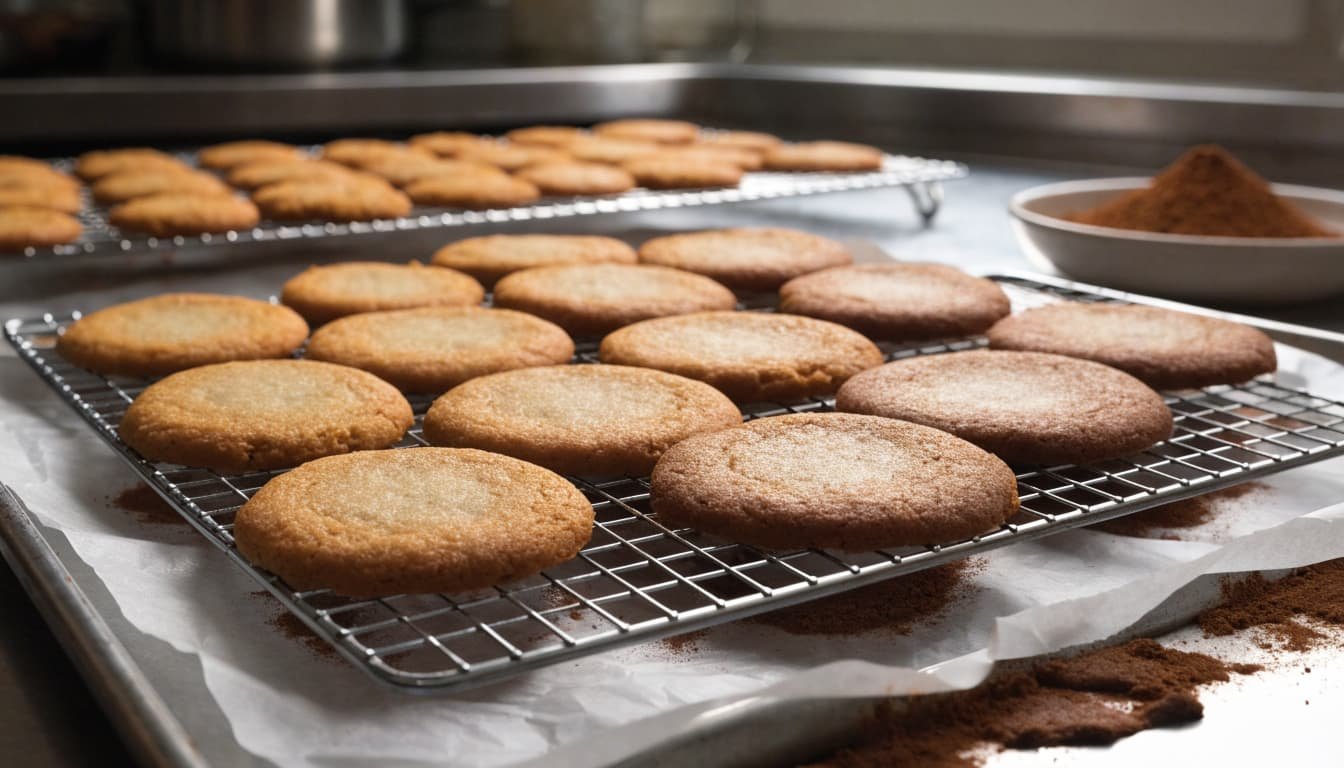
Bake for 10 to 15 minutes, depending on the size of your cookies. Look for edges that appear set while the centers still look soft. They may seem slightly underdone when you take them out, but they’ll continue to firm up on the hot pan.
Let the cookies rest on the baking sheet for about 5 minutes, then transfer them to a cooling rack. Moving them too soon can cause the soft centers to break, so give them a moment to settle before serving.
Choose a Simple Finish, from Spiced Sugar to Maple Glaze
The right finish depends on how much time you have and how you plan to serve the cookies. For an easy touch, use spiced sugar; for a bakery-style look, add a quick glaze after the cookies cool.
Add a Crisp Cinnamon Sugar Coating
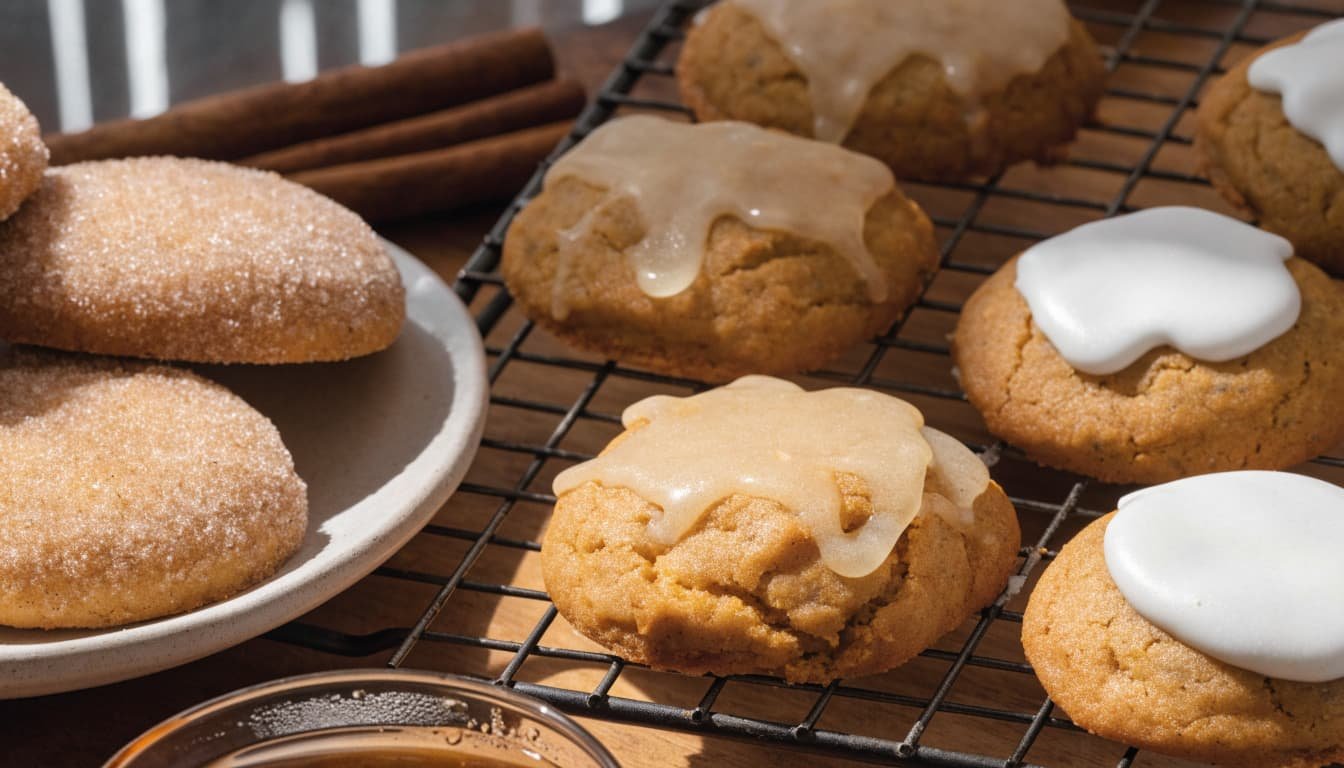
For the quickest finish, mix granulated sugar with cinnamon or pumpkin pie spice in a shallow bowl. Roll each portion of chilled dough in the mixture before baking, coating the outside evenly. The sugar adds a lightly crisp layer that contrasts nicely with the soft, tender centers.
Cinnamon gives the cookies a familiar warm flavor, while pumpkin pie spice adds a fuller blend of fall spices. Keep the coating light so it doesn’t overpower the pumpkin. This option takes only a moment, and you won’t need to wait for the cookies to cool before finishing them.
Make a Quick Maple Glaze or Use Royal Icing
For a simple bakery-style finish, stir powdered sugar with a small amount of milk, water, or maple syrup until the glaze is smooth and pourable. Add the liquid a little at a time. A thinner glaze works for drizzling, while a slightly thicker one coats the tops more evenly. Let the cookies cool completely first, or the glaze may run off the warm surface.
Maple syrup gives the glaze a gentle maple flavor that pairs well with pumpkin and warm spices. A basic powdered sugar glaze can dry firm, but give it plenty of time before stacking the cookies. King Arthur Baking’s cookie decorating guide explains how different icings behave as they dry.
Royal icing is a better choice when you want crisp details, piped designs, or cookies that need to be stacked for storage or transport. It dries hard once fully set, though that takes longer than a quick drizzle. For everyday pumpkin sugar cookies, maple glaze is easier; save royal icing for a batch you want to decorate carefully.
Fix Common Cookie Problems and Store the Batch Well
A few small adjustments can rescue pumpkin sugar cookie dough before it goes into the oven. If your cookies spread too much or bake up dry, the pumpkin’s moisture, dough temperature, flour measurement, and baking time are good places to start.
Keep Cookies from Spreading or Turning Cakey
If the dough feels sticky, chill it for 30 minutes before scooping. Pumpkin puree can hold more water than expected, so blot it well before measuring. If the chilled dough still feels difficult to handle, use a cookie scoop or lightly flour your hands. Add extra flour only a tablespoon at a time; too much can make the cookies dense.
Cookies that spread thin often have warm dough or too little flour. Chill the dough until firm, and measure flour by spooning it into the cup and leveling the top. If the cookies still spread, check that your baking sheet has cooled before adding the next batch. A warm sheet can soften the dough before it reaches the oven.
A cakey texture often means the dough had too much moisture, so blotting the pumpkin helps. Dry cookies, on the other hand, may have baked too long. Pull them out when the edges look set and the centers still seem soft. They’ll finish firming up on the hot pan.
Store and Freeze Cookies Without Losing Their Texture
Let the cookies cool completely before storing them, or trapped steam can soften them. Keep plain cookies in an airtight container at room temperature. For glazed cookies, wait until the finish has set; a soft glaze may stay tacky, so store those in a single layer or separate layers with parchment paper. Royal-iced cookies can be stacked once the icing is fully dry and firm.
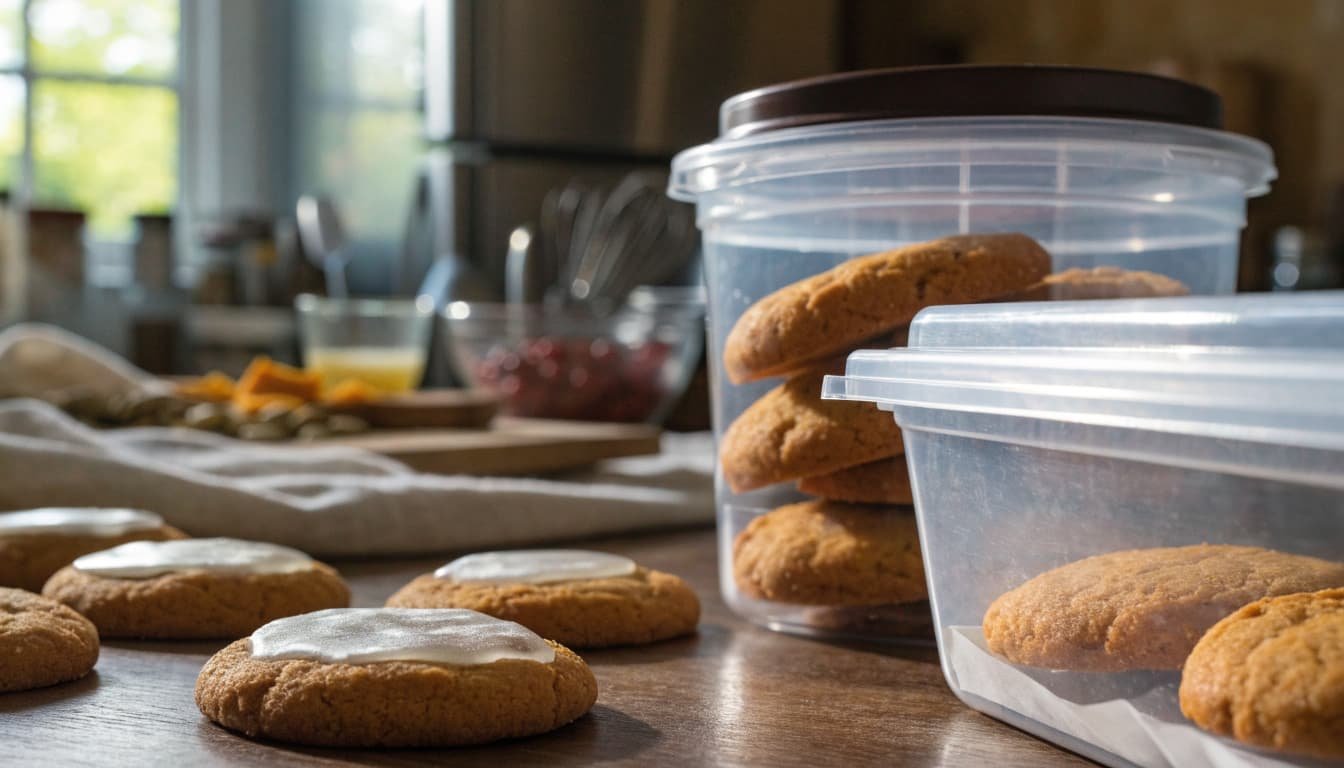
To freeze the cookies, first let them cool completely. Arrange them in a freezer-safe airtight container with parchment between layers, then freeze for up to three months. You can also freeze them in a single layer on a baking sheet until firm, then transfer them to a container. For more cookie storage tips, see The Kitchn’s guide to storing homemade cookies.
Thaw the cookies at room temperature in their container. If they’re decorated, keeping them covered as they thaw helps protect the icing from moisture.
Conclusion
The key to soft, tender pumpkin sugar cookies is blotting the puree before you mix the dough. That small step helps keep extra moisture from making the cookies too cakey or causing them to spread.
Finish them with spiced sugar, maple glaze, or your favorite icing. Then bake a batch, share a few while they’re fresh, and save the rest for another cozy treat.

- Christmas Cookie Ideas for Every Holiday Baker - November 9, 2026
- Christmas Cocktails: Party Drinks, Cozy Sips, and Mocktails - November 9, 2026
- 20 Christmas Appetizer Ideas for Every Holiday Spread - November 9, 2026


1 Comment