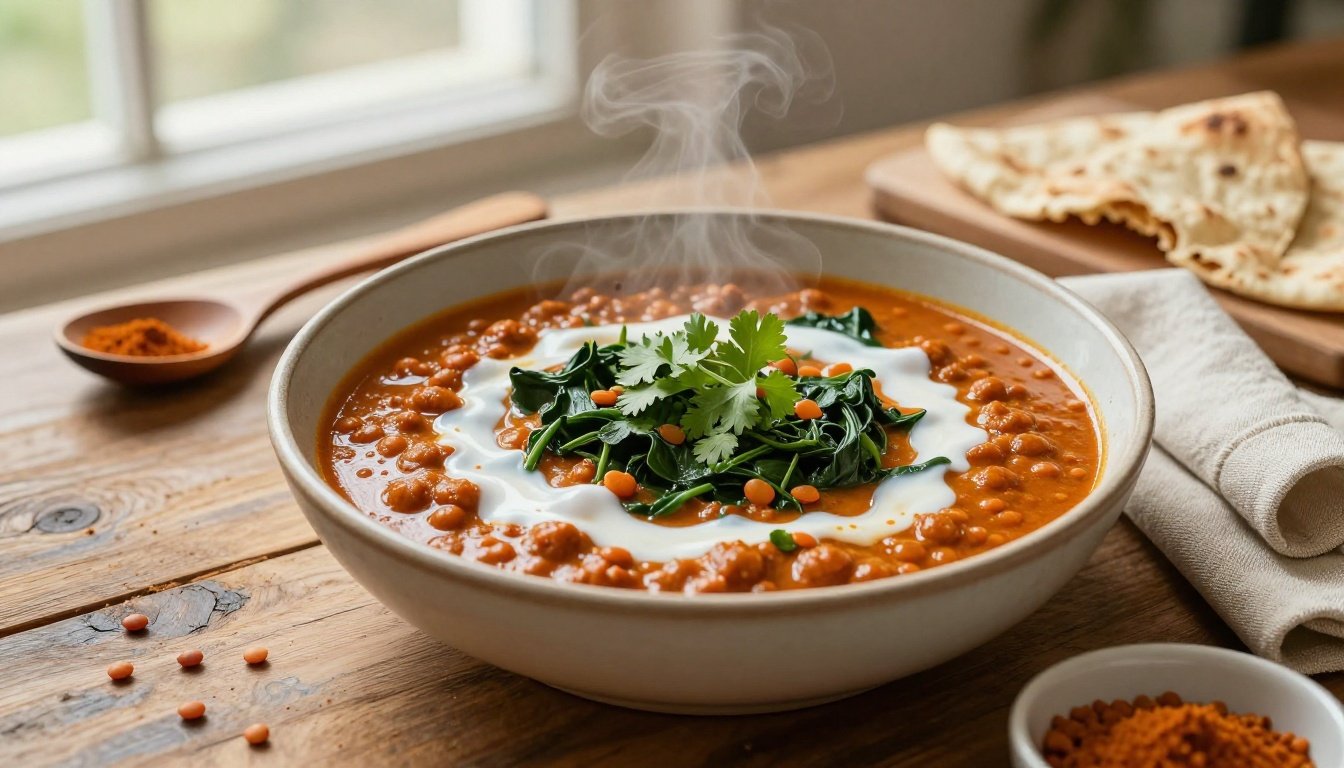
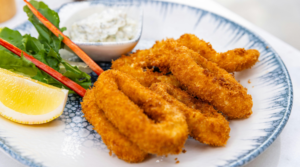
Some nights I want dinner to feel a little special, and I still don’t want to spend an hour at the stove. Crispy salmon cakes are what I make then. A hot skillet gives them a golden, crunchy outside, while the center stays tender and flaky, and that contrast alone is enough to make a plain weeknight meal feel like a treat. The first time you pull a batch out, you’ll notice the crust crackles a little under the fork before the fish gives way.
What ties it together is the sauce. A cool lemon dill yogurt comes together in one bowl, tangy and bright, and it cuts right through the richness of the fried cakes. Each bite tastes fresher for it. I also like that the ingredient list stays short and mostly familiar: canned salmon or leftover cooked fish, breadcrumbs, an egg, a few spoonfuls of mayonnaise or Greek yogurt, and a lemon for zest and juice.
The method is forgiving, too. If the mixture feels loose, a spoonful more breadcrumbs usually fixes it, and a cake that cracks in the pan still tastes good. Just scoop, shape, and fry.
The ingredient list is short, and each part earns its place.
Crispy Salmon Cakes with Lemon Dill Yogurt Sauce: What You Need
For crispy salmon cakes with lemon dill yogurt sauce, the shopping list stays short. You likely have most of it in the fridge or pantry already. I keep the exact measurements in the recipe card below, so here you’ll see why each ingredient earns a spot. The cakes need a binder, some fat for moisture, and enough seasoning to taste like more than fried fish. The sauce needs body and a bright edge.

For the Salmon Cakes
Salmon cakes hold together with just enough binder. Too much breadcrumb turns the center dense, and too little lets a cake fall apart in the pan. A good starting point is about 1 pound of cooked salmon to 1/2 cup breadcrumbs and 1 egg. Canned salmon works well here, and leftover cooked fresh salmon does too. Flake it gently and check for bones before mixing.
Mayonnaise or Greek yogurt adds moisture, while Dijon mustard and lemon zest bring flavor. A little minced onion or scallion gives a savory bite. Salt, pepper, and oil for frying round out the list. Here’s what you’ll need:
- Canned salmon or cooked fresh salmon, flaked and checked for bones
- Breadcrumbs, which act as the binder that holds each cake together
- One egg, which helps bind the mixture and gives it structure
- Mayonnaise or Greek yogurt for moisture and a little richness
- Dijon mustard for a mild tang
- Minced onion or scallion for a savory note
- Lemon zest for brightness
- Salt, pepper, and oil for frying
The fat matters because salmon cakes can taste dry when the fish is lean. The binder matters because a loose cake won’t hold its shape. Keep the mix gentle; you want texture, not paste.
For the Lemon Dill Yogurt Sauce
Plain Greek yogurt gives the sauce body, so it clings to the cakes instead of running off. Lemon juice and dill keep it fresh, and garlic powder adds a savory background. Salt and pepper finish it. Dried dill works well, and fresh dill can be used to taste. Start small with the lemon juice, then add more if the sauce tastes flat. Here’s the short list:
- Plain Greek yogurt for a thick, cool base
- Lemon juice for tang and brightness
- Dried dill, or fresh dill to taste
- Garlic powder for a savory note
- Salt and pepper to taste
The sauce is the cool contrast to the crispy cakes. It should taste bright and a little tangy, but not so sharp that it overwhelms the fish. Taste it with a piece of cake before serving. If it feels too thick, stir in a teaspoon of water. If it tastes too mild, add lemon a little at a time.
Step-by-Step: How to Make Crispy Salmon Cakes with Lemon Dill Yogurt Sauce
The order of work matters more than any single step. I drain canned salmon in a fine-mesh strainer and press gently, or flake cooked fresh salmon and pick out bones and skin. You want the fish dry enough to bind, not wet enough to make the cakes slump in the pan. From there, the cakes come together quickly, and the sauce waits while they chill.
Mix and Shape the Salmon Cakes
Add the salmon, breadcrumbs, egg, mayonnaise, mustard, minced onion, lemon zest, salt, and pepper to a large bowl. I use a fork to fold everything together, stopping as soon as no dry breadcrumbs remain. Overmixing turns the salmon into paste and gives the cakes a dense, tough bite. Shape the mixture into patties about 3 inches wide and 1/2 inch thick. If a patty feels loose, press it together once more; if the mix sticks to your hands, dampen them lightly.
Chill for a Crisp, Sturdy Crust
Chill the shaped cakes for 15 to 30 minutes. This short rest lets the breadcrumbs hydrate and the patties firm up, so they hold together when they hit the hot oil. For a longer pause, cover the plate and refrigerate. Bring them out while the skillet heats, since very cold cakes can brown before the center warms through.
Pan-Fry Until Golden
Heat a thin layer of oil in a skillet over medium heat. The oil should shimmer, not smoke. Set the cakes in the pan with space between them, and cook in batches if needed. Crowding traps steam and softens the crust. Let the first side turn deep golden before you flip, about 3 to 4 minutes. Turn gently with a thin spatula, then cook the second side the same way. If you used fresh salmon, check the center with an instant-read thermometer. FoodSafety.gov lists 145°F as the safe minimum internal temperature for fish. Keep finished cakes on a rack in a low oven while the rest cook.
Whisk the Lemon Dill Yogurt Sauce
While the cakes fry, whisk plain Greek yogurt, lemon juice, dill, garlic powder, salt, and pepper in a small bowl until smooth. Taste it with a small piece of cake, then add lemon or salt only if the sauce needs it. The sauce can be made ahead and chilled; stir before serving.
Smart Tips for Crisp, Tender Salmon Cakes Every Time
A golden crust and a tender center come down to a few small decisions before the cakes ever touch the pan. Most problems I’ve run into, soggy edges, crumbling patties, pale crusts, trace back to moisture, temperature, or crowding. Fix those three and the rest of the recipe forgives a lot. These are the habits I lean on every time I make crispy salmon cakes with lemon dill yogurt sauce.
Keep the Mixture From Getting Too Wet
Water is the quiet enemy of a crisp cake. Any excess liquid steams from the inside out, so the crust softens before it ever sets. Drain canned salmon in a fine-mesh strainer and press it gently until it stops dripping, then flake it with a fork. If you’re using cooked fresh salmon, pat it dry with paper towels first, and blot again after flaking.
When the mixture still feels wet and tacky, add one tablespoon of breadcrumbs at a time until it holds together without sticking to your hands. Stop as soon as it does. Too much binder turns the center dense and pasty, which is a worse outcome than a slightly soft patty. A mix that looks a touch loose often firms up during chilling.
Before frying the whole batch, cook one small test cake and check the seasoning. Adjust salt, lemon zest, or mustard in the raw mixture based on that first bite, since the flavors are harder to fix once the cakes are browned.

Chill Before Frying for a Sturdy Cake
Fifteen minutes in the refrigerator makes a visible difference. The breadcrumbs soak up surface moisture and the patties firm up, so they hold their shape instead of spreading in the hot oil. Longer is fine too. I’ve left shaped cakes covered in the fridge for up to a day and they fried just as well.
Arrange them on a plate in a single layer, cover, and chill. Take them out while the skillet heats so the outside isn’t ice cold when it hits the oil. Very cold cakes brown quickly on the surface while the middle lags behind.
Fry in Small Batches for Even Browning
Heat enough oil to coat the bottom of the skillet, roughly a thin layer rather than a deep pool. It should shimmer when it’s ready, and a drop of batter should sizzle on contact. If the oil smokes, pull the pan off the heat for a moment before continuing.
Give each cake room. Crowding drops the pan temperature and traps steam, which steams the crust instead of browning it. Cook in batches, keeping finished cakes on a rack in a low oven so they stay warm and crisp. Turn gently with a thin spatula, and only once the first side releases easily from the pan.
Keep the yogurt sauce chilled until serving, and stir in fresh dill at the end so its flavor stays bright rather than muted.
Ways to Serve and Switch Up Salmon Cakes
A crispy salmon cake works as more than a main dish. I serve them on a weeknight with whatever greens or grains I have, and they hold up just as well on a party platter. The lemon dill yogurt sauce stays flexible too, so each plate gets a fresh, tangy finish without extra work.
Build a Salad or Grain Bowl
For a light meal, set a warm salmon cake over mixed greens with sliced cucumber and a lemony vinaigrette. The cool vegetables and crisp crust make each bite contrast nicely. I like to spoon a little lemon dill yogurt sauce on the side, then let it mingle with the dressing as I eat.
For a heartier bowl, spoon rice or quinoa into a shallow bowl and add roasted vegetables. Broccoli, carrots, or bell peppers work well, and the warm grains soften the edges of the cake without making it soggy. Keep the sauce nearby so you can add a cool, creamy bite between forkfuls.
Make a Sandwich or Appetizer Platter
Toasted bread turns a salmon cake into a quick sandwich. Add lettuce for crunch and a generous dollop of lemon dill yogurt sauce, then press the top slice down gently. The bread should be sturdy enough to hold everything, so choose something with a firm crust.
Mini cakes make an easy appetizer for a gathering. Shape the mixture into smaller patties, fry them in batches, and pile them on a platter with the sauce in a bowl for dipping. Guests can take one or two, and the platter stays neat.
Try Simple Ingredient Swaps
Small changes keep the recipe from feeling repetitive. These are the swaps I reach for most often:
- Panko breadcrumbs give the crust a lighter, shatter-crisp texture than fine dry crumbs.
- Chopped parsley, dill, or scallion adds a fresh note, and a little goes far.
- Leftover cooked salmon works in place of canned, as long as you flake it and check for bones.
- A pinch of cayenne brings gentle heat without changing the overall flavor.
Taste the mixture before you shape the patties, then adjust the salt, lemon, or heat to suit your table. The sauce can take a little extra dill or lemon too, so taste it alongside a piece of the cooked cake.
Make-Ahead, Storage, and Reheating Notes
These crispy salmon cakes with lemon dill yogurt sauce fit a busy week because most of the work can happen before dinner. I plan the chilling and storage steps around when I’ll serve them, so the crust stays crisp and the sauce tastes fresh. A little forethought keeps leftovers worth eating.
Prep Ahead for Busy Days
Shape the patties up to 24 hours before cooking, then cover and refrigerate them on a plate in a single layer. This rest firms the mixture and saves time when you’re hungry. For longer storage, freeze unbaked patties on a tray until solid, then transfer them to a freezer bag. Cook from frozen and add a few extra minutes, checking the center with an instant-read thermometer. I keep the sauce separate so it stays cold and the cakes don’t soften before they hit the pan. If you’re prepping for guests, stack the frozen patties with parchment between them so they lift out one at a time.
Store Leftovers Safely
Move cooked cakes to a covered container and refrigerate them within two hours. If the room is above 90°F, shorten that to one hour. Use them within three to four days. Keep the lemon dill yogurt sauce in its own small container, also for three to four days, and stir it before serving. I don’t store sauce on the cakes because the yogurt softens the crust and makes the texture flat. Label containers if you’re packing them for later in the week, and keep the fridge at 40°F or below.
Reheat for Crispness, Not Sogginess
Warm cakes in a skillet over medium-low heat or in a 350°F oven until hot, about 10 minutes. The skillet brings back the best crust, while the oven suits a larger batch. Skip the microwave if crispness matters, since steam softens the outside fast. Check the center with a food thermometer; leftovers should reach 165°F. Reheat only what you plan to eat, then serve the chilled sauce on the side. Add a fresh squeeze of lemon or a pinch of dill after warming to wake up the flavor.
Conclusion
Crispy salmon cakes with lemon dill yogurt sauce earn a regular spot in my rotation because they ask so little of me. A can of salmon, a handful of breadcrumbs, an egg, and a few spoonfuls of Greek yogurt cover most of the list, and the rest is salt, pepper, and a lemon.
The details that matter are small ones. Drain the fish well, chill the shaped patties, and fry them in batches with room between each cake. That is where the crunch comes from. The sauce takes a minute to whisk and stays bright in the fridge for days.
From there, the recipe bends to your kitchen. Swap in panko for a lighter crust, trade dried dill for fresh, or serve the cakes over greens instead of grains. Taste as you go and let your table settle the seasoning.
Give these a try on your next busy weeknight, and keep the sauce close for dipping.
Save pin for later


- Lentil Shepherd’s Pie with Creamy Mashed Potatoes: A Cozy Meatless Dinner - November 26, 2026
- Crispy Air Fryer Tofu with Vegetables and Brown Rice - November 26, 2026
- Baked Chicken Thighs with Garlic and Roasted Vegetables - November 26, 2026