Cabbage is affordable, filling, and easy to find, which makes it a handy choice when you need a simple side or a satisfying meal. The right cabbage recipes can turn one everyday vegetable into crisp slaw, browned roasted wedges, quick skillet dishes, hearty soup, or tender cabbage rolls.
Green cabbage works well in many cooked dishes, while Napa and red cabbage are lovely in fresh slaws and salads. Pick an idea that fits your table, and let’s get cooking.
Easy Cabbage Recipes for Sides, Salads, and Weeknight Meals
This collection has simple cabbage ideas for crisp salads, cozy sides, and satisfying dinners. Green cabbage is a flexible starting point: slice it thin for slaw, cut it into wedges for roasting, or add it to a skillet with a few pantry staples. The USDA’s cabbage guide also highlights easy ways to enjoy it, including sautéing, steaming, and adding it to soups.
Easy cabbage sides
- Garlic butter cabbage: Sauté sliced cabbage with butter, garlic, salt, and black pepper until tender with browned edges. Serve it alongside roasted chicken or pork.
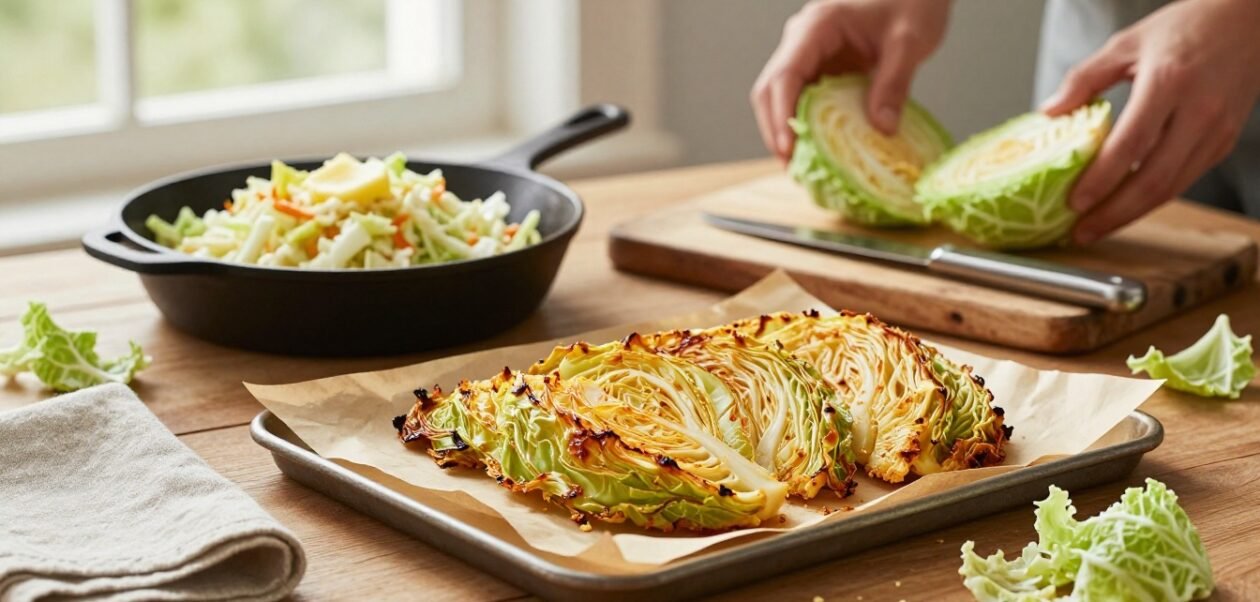
- Roasted cabbage wedges: Brush thick wedges with olive oil, paprika, and garlic powder, then roast until the edges turn crisp. Add lemon and serve with beans or grilled fish.
- Cabbage and carrots: Cook shredded cabbage and carrots with a little olive oil and onion for a simple, slightly sweet side. It pairs well with rice or baked chicken.
- Cabbage with bacon: Crisp chopped bacon, then cook cabbage in the drippings with onion and a splash of apple cider vinegar. Spoon it next to potatoes or a hearty roast.
- Sesame cabbage stir-fry: Quickly cook cabbage with sesame oil, ginger, and soy sauce. Finish with sesame seeds and serve with rice or noodles.
Fresh cabbage salads
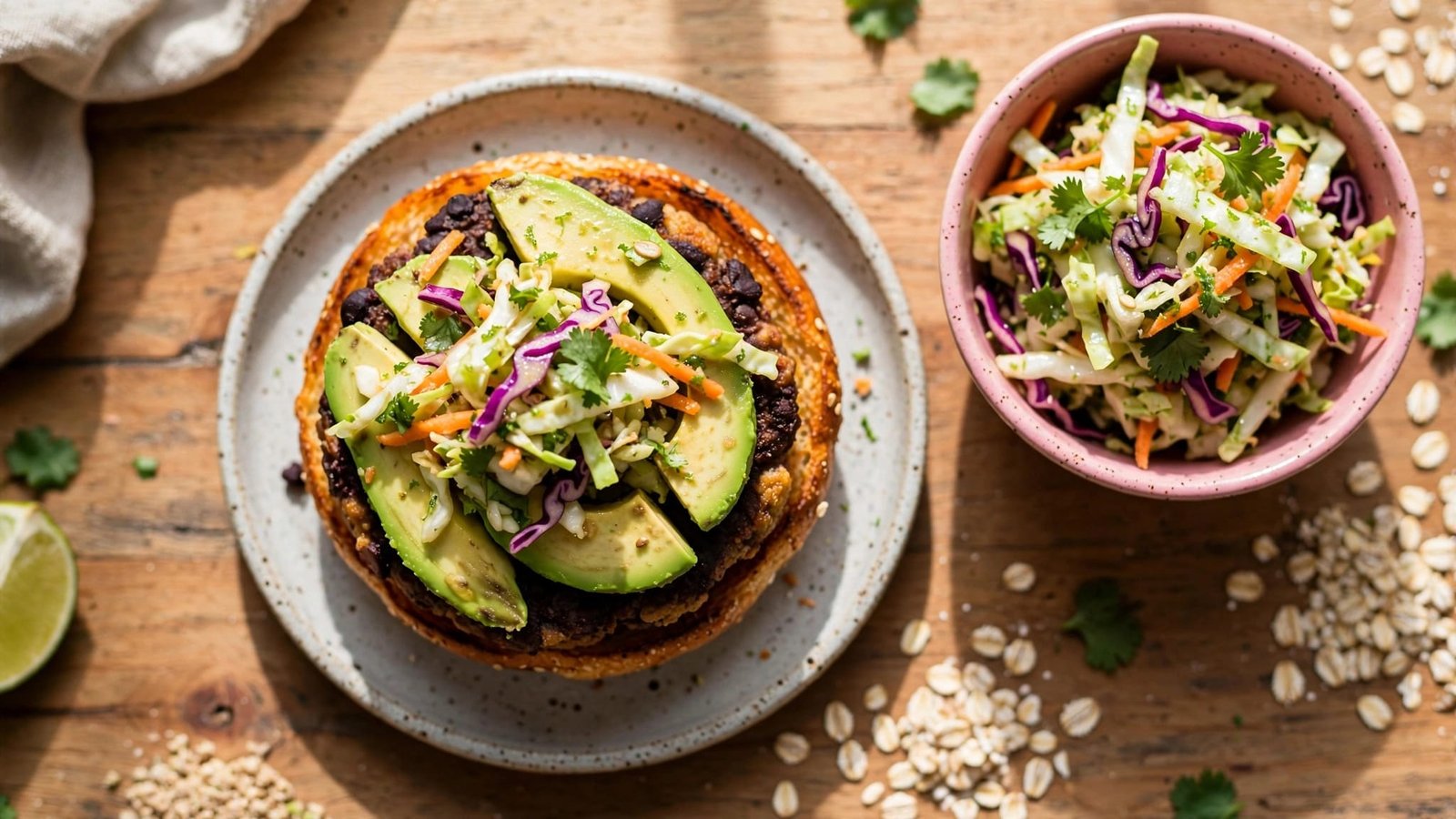
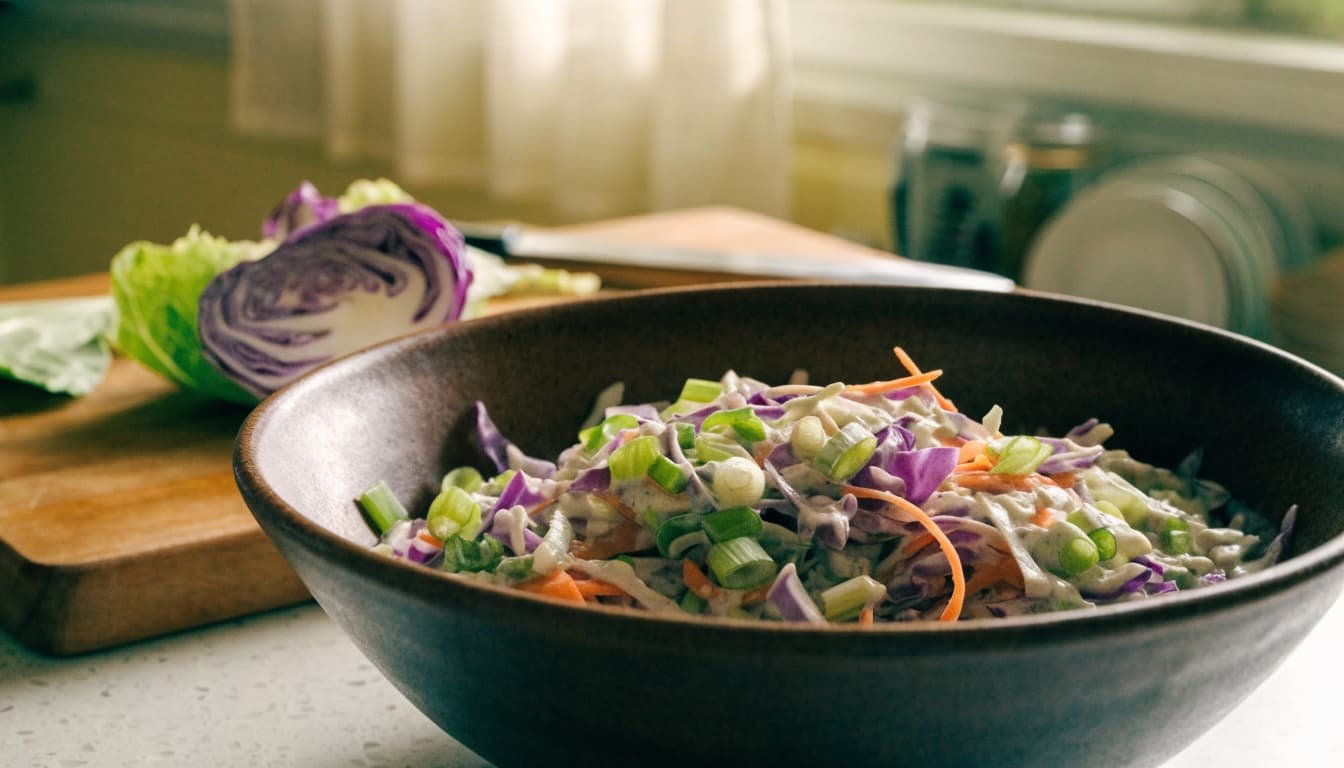
- Creamy coleslaw: Toss shredded cabbage and carrots with a dressing of mayonnaise, vinegar, and a little honey. Serve with sandwiches, burgers, or barbecue.
- Tangy vinegar slaw: Dress green cabbage with apple cider vinegar, olive oil, and mustard. Its bright, crunchy bite cuts through rich dishes.
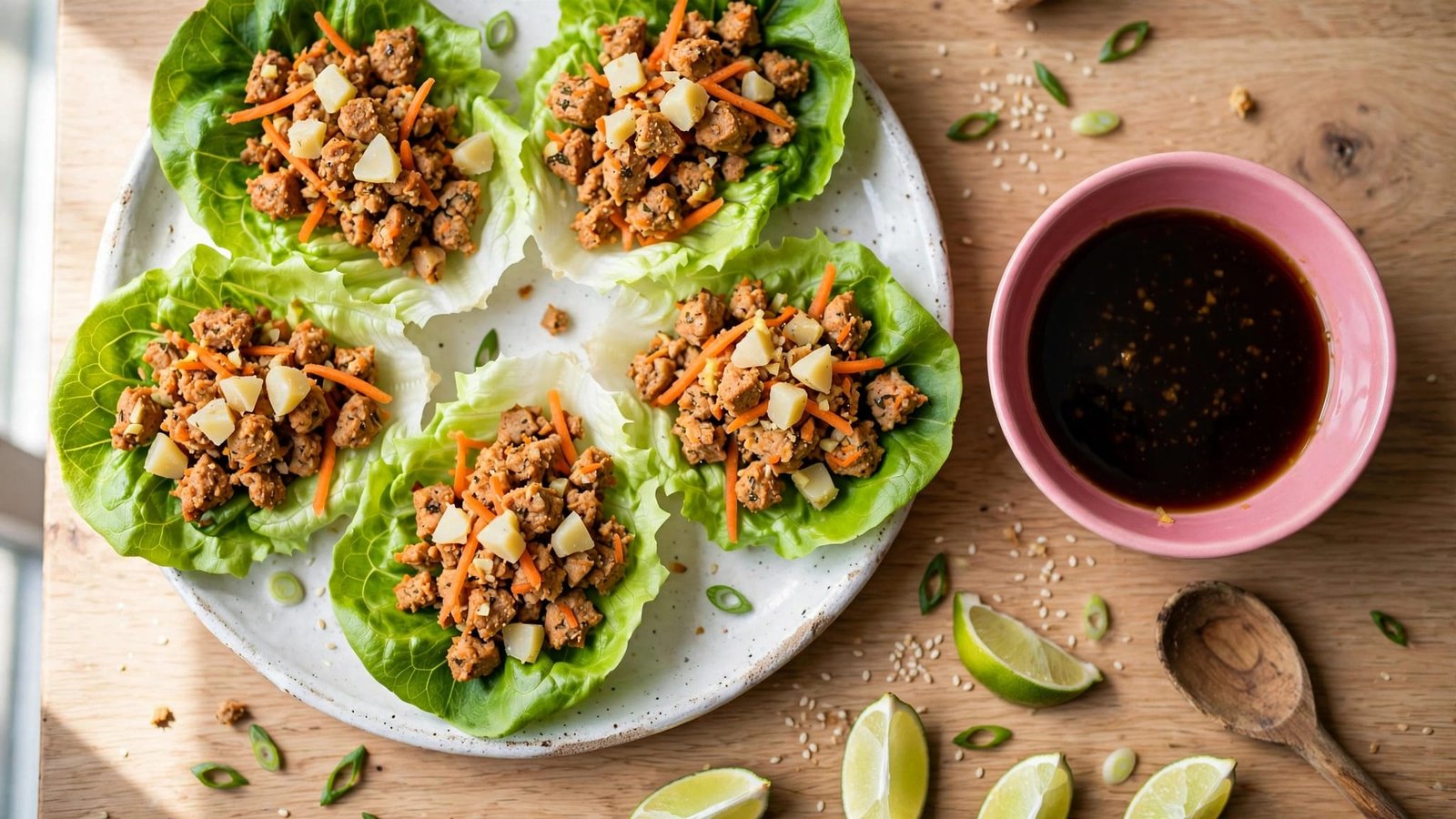
- Asian-inspired slaw: Mix cabbage with carrots, scallions, lime juice, and a sesame-ginger dressing. Add peanuts for crunch and serve beside grilled chicken or tofu.
- Red cabbage apple salad: Combine thinly sliced red cabbage, crisp apple, and walnuts with a simple vinaigrette. It makes a fresh side for fall meals.
- Cabbage and cucumber salad: Toss cabbage and cucumber with dill, lemon, and plain yogurt. Keep it chilled and serve with roasted potatoes or fish.
Weeknight cabbage meals
- Cabbage and sausage skillet: Brown sliced sausage with onion, then add cabbage and cook until soft. It’s an easy one-pan dinner with mustard on the side.
- Cabbage fried rice: Stir-fry chopped cabbage with cooked rice, egg, and green onion. Add soy sauce for a quick meal that works well with leftover rice.
- Cabbage noodle bowls: Toss sautéed cabbage with noodles, garlic, and a splash of soy sauce. Top with a fried egg or shredded chicken.
- Hearty cabbage soup: Simmer cabbage with tomatoes, carrots, white beans, and broth until tender. Serve with crusty bread for a warming lunch or supper.
- Unstuffed cabbage skillet: Cook ground beef or lentils with cabbage, rice, tomatoes, and paprika in one pan. It has the comforting flavors of cabbage rolls with less work.
Hearty Cabbage Recipes That Make a Filling Main Dish
Cabbage can do more than round out a plate. Pair it with beans, grains, potatoes, or a little meat, and it becomes the heart of a cozy meal that can feed the family and leave enough for lunch tomorrow.
Braise cabbage with beans and sausage
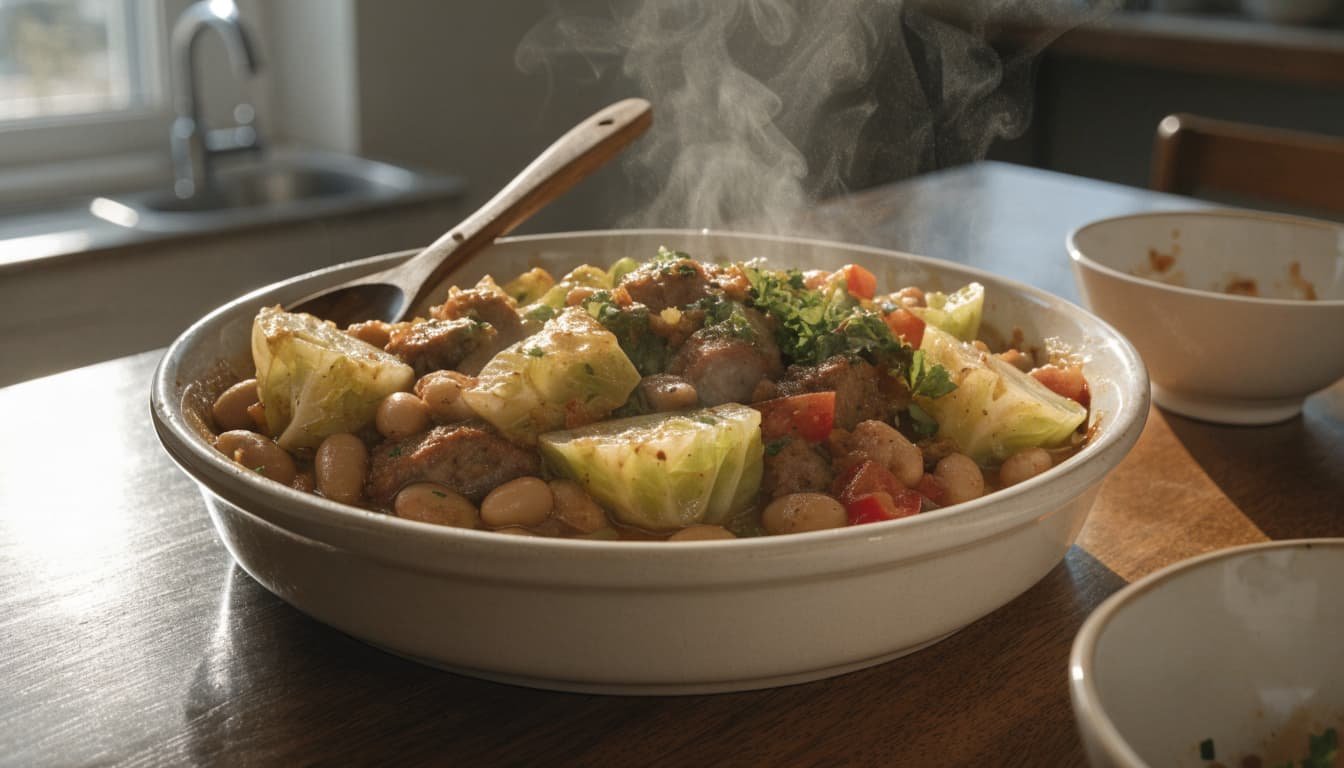
For a one-pot dinner, brown sliced smoked sausage with onion, then stir in chopped cabbage, canned white beans, diced tomatoes, garlic, and broth. Cover and simmer until the cabbage is tender and the flavors come together. Use cannellini or navy beans, and add a pinch of paprika or red pepper flakes if you like a little warmth.
Serve it in bowls with crusty bread to catch the tomato-rich broth. The beans make the dish more substantial, while the sausage adds a savory, smoky bite. You can also leave out the sausage and add another can of beans for a meatless meal.
Build a cabbage bowl with grains and protein
Roasted cabbage makes a hearty base for a dinner bowl. Cut a green cabbage into wedges, brush them with olive oil, and roast until the edges are browned and the centers are tender. Serve over brown rice or quinoa with chickpeas, then add a spoonful of plain yogurt or a squeeze of lemon.
Want more protein? Top each bowl with a fried egg, shredded chicken, or crumbled feta. Beans and lentils count as protein foods, too, and USDA MyPlate’s food group guide offers more ideas for pairing protein with grains and vegetables. Set the toppings out separately so everyone can build a bowl they like.
Turn cabbage into a cozy baked dinner
For a filling casserole, layer thinly sliced cabbage with cooked potatoes, white beans, and a simple tomato sauce in a baking dish. Season each layer with salt, pepper, and garlic, then cover and bake until the cabbage softens. Remove the cover near the end and add a little grated cheese if you want a browned top.
This is a handy way to use leftover cooked potatoes or beans. Savoy cabbage also works well here because its tender leaves soften nicely in the oven. Let the casserole rest for a few minutes before serving so the layers hold together.
These cabbage recipes are easy to adjust with what you have on hand. Add beans or grains for a meatless meal, or use leftover chicken or sausage when you want a heartier supper.
Choose the Right Cabbage for the Recipe You Want to Make
The best cabbage depends on how you want it to taste and feel in the finished dish. Green cabbage is a dependable all-purpose pick, while red, Napa, and Savoy each bring a different texture or color. Choosing the right one can make your cabbage recipes easier to prepare and better suited to the meal.
Green and red cabbage are good all-around choices
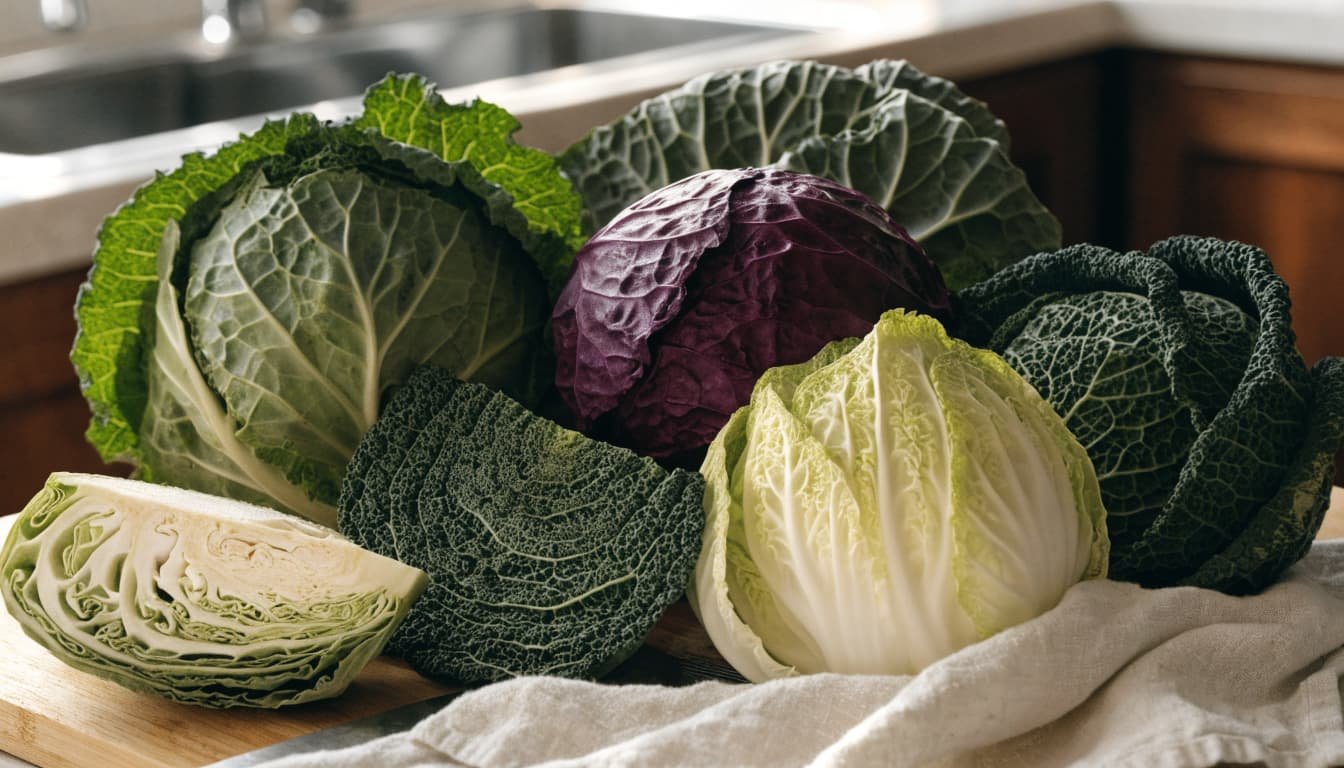
Green cabbage has firm, crisp leaves and a mild peppery flavor when raw. It softens and tastes sweeter as it cooks, so it works in coleslaw, skillet dishes, soups, and long-simmered meals. Choose a compact head that feels heavy for its size, with fresh-looking leaves.
Red cabbage has a similar sturdy texture, but its vivid color makes slaws and salads pop. You can swap it for green cabbage in most recipes, though it may taste a little stronger and can tint other ingredients as it cooks. For more on how common varieties differ, see Tufts’ guide to enjoying cabbage.
Napa and Savoy cook quickly and turn tender
Napa cabbage has long, pale leaves and thick, crisp ribs. Its flavor is mild, and it wilts faster than green cabbage, making it a good fit for stir-fries, quick soups, and dumpling fillings. Use it in a raw slaw when you want a softer, juicier crunch.
Savoy cabbage has crinkled leaves that are tender and slightly sweet. It works well in soups, casseroles, and stuffed cabbage because the leaves soften easily and fold around fillings. Since it cooks faster than green cabbage, check it early so it doesn’t turn too soft.
Make an easy substitution
You don’t need the exact variety a recipe calls for. Green cabbage can replace red when color isn’t important, and red can stand in for green if you don’t mind the purple hue. Napa or Savoy can also work in place of green cabbage, especially in quick-cooking recipes. Just shorten the cooking time, since their leaves wilt sooner.
For a crisp slaw, use green or red cabbage. For a fast stir-fry or a tender filling, reach for Napa or Savoy.
Get Better Results With a Few Simple Cabbage Cooking Tips
A few small prep choices can help your cabbage recipes turn out crisp, tender, and full of flavor. Wash and cut the cabbage with care, then adjust the cooking time to match the size of your pieces.
Wash and trim cabbage before cooking
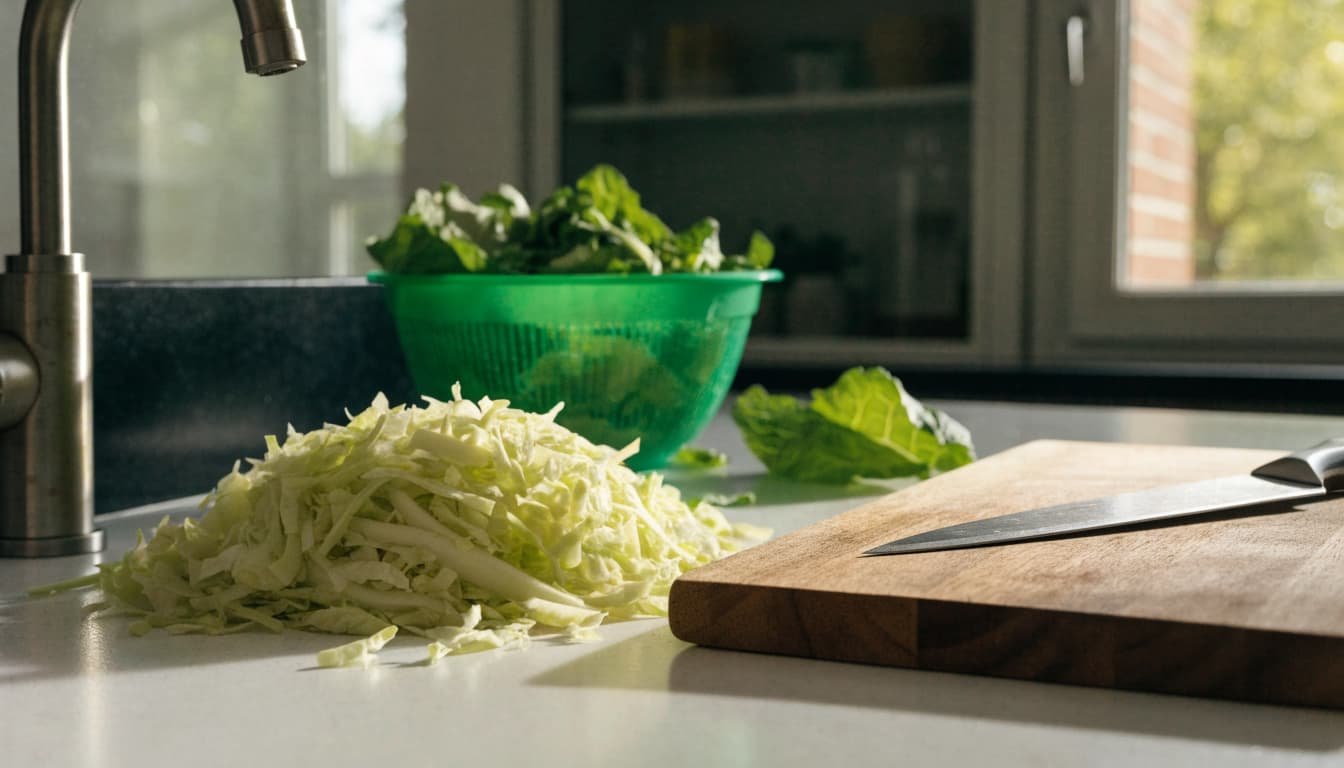
Peel off the outer leaves if they’re wilted, bruised, or dirty. Rinse the cabbage under cool running water, then pat it dry with a clean towel. The FDA’s produce safety tips recommend washing produce under running water, not with soap or detergent.
Trim away any damaged spots, then cut the head in half through the core. If you’re making slaw or using chopped cabbage raw, rinse the cut pieces under cool water and drain them well. Dry cabbage also browns better in a skillet, while wet cabbage can steam instead.
Cut evenly and check for doneness
Try to keep slices or chunks about the same size so they cook at the same pace. Thin shreds wilt quickly, while thick wedges need more time for the center to soften. Keep the core in wedges to help them hold together as they cook.
Cooking times vary with the cut and the texture you like, so use these as starting points:
- Thinly sliced cabbage takes about 3 to 5 minutes to sauté until tender-crisp. Larger pieces may need 5 to 9 minutes.
- Shredded cabbage usually boils in 3 to 5 minutes. Wedges take about 8 to 15 minutes, depending on thickness.
- At 400°F, cabbage wedges roast in about 20 to 30 minutes. Turn them halfway through and check that the centers are tender.
A fork is a helpful test. Cabbage should be as crisp or soft as you like, without cooking until it falls apart.
Build flavor as the cabbage cooks
Start with a hot skillet and enough oil or butter to coat the pan. Add the cabbage in a single layer when you want browned edges. If the pan is crowded, cook in batches so the cabbage sears instead of releasing moisture and steaming.
Salt helps bring out cabbage’s natural sweetness. Garlic, onion, black pepper, smoked paprika, and caraway are easy seasonings to try, depending on the dish. Finish cooked cabbage with a splash of vinegar or lemon juice to balance its sweetness, or add a little soy sauce for a savory note. For roasted wedges, olive oil, salt, and pepper make a simple base, with garlic or paprika if you want more flavor.
Store Cabbage Well and Put Leftovers to Good Use
Good storage keeps cabbage crisp and helps you use the whole head instead of letting it wilt in the fridge. Store whole cabbage, cut pieces, and cooked leftovers a little differently.
Keep a whole cabbage fresh
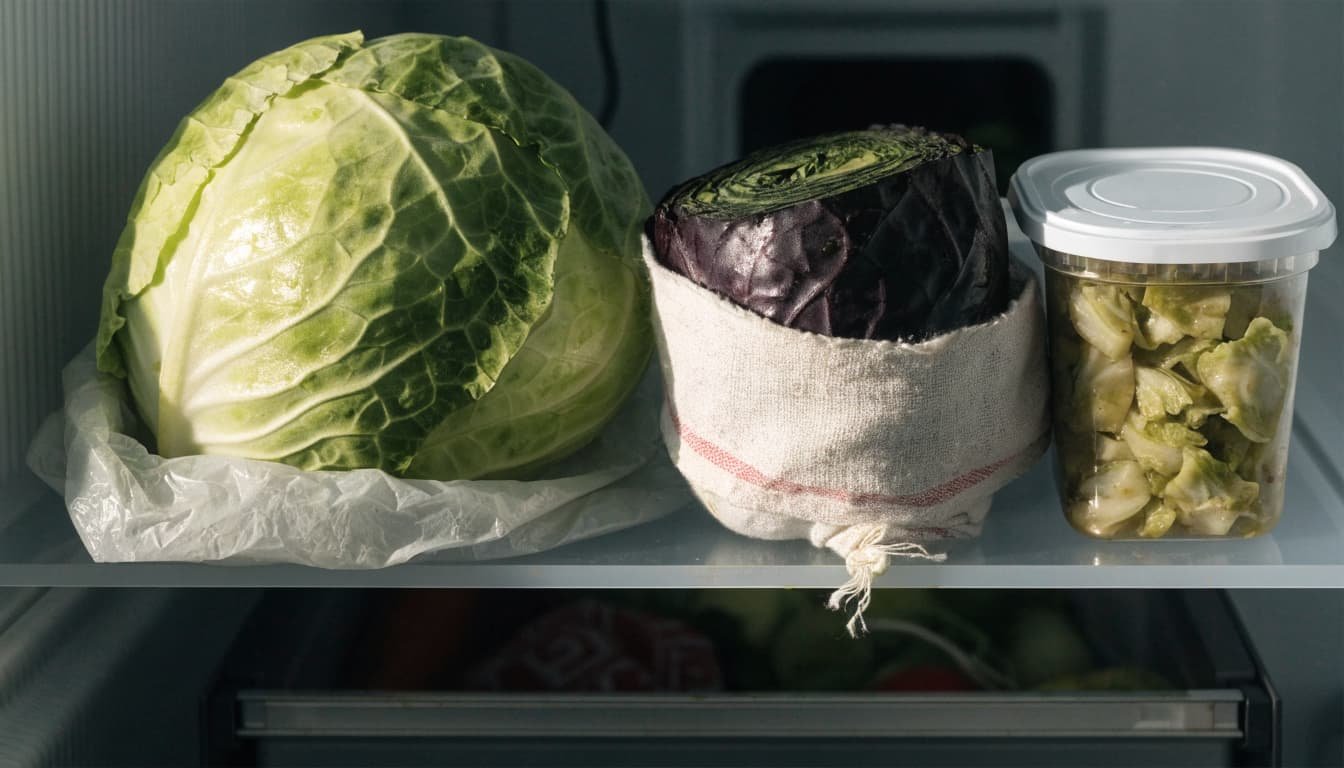
Leave the head unwashed until you’re ready to use it, since extra moisture can speed spoilage. Remove any loose or damaged outer leaves, then place the cabbage in a plastic bag in the refrigerator’s crisper drawer. A whole head can usually keep for one to two weeks when refrigerated.
Store cut cabbage in a sealed container
Wrap a cut cabbage tightly or place it in an airtight container, then refrigerate it and try to use it within a few days. If you shredded more than you need for slaw, keep it chilled and dry so it stays crisp. For more cabbage storage tips, UnlockFood’s guide to cabbage recommends refrigerating cut cabbage and using it within two to three days.
Refrigerate cooked leftovers promptly
Let cooked cabbage cool slightly, then transfer it to a shallow, covered container and refrigerate within two hours. Use it within three to four days, following the USDA’s leftover food safety guidance. Reheat only the portion you plan to eat.
Leftover cooked cabbage is easy to work into another meal. Stir it into soup, fold it into fried rice, or warm it in a skillet with beans and sausage. You can also add cooked cabbage to a grain bowl with a squeeze of lemon or vinegar to brighten the flavors.
Conclusion
Cabbage recipes can be crisp and fresh in a slaw, tender and savory from a quick sauté, or hearty enough to anchor a soup or supper. Start with the style that fits your time and the ingredients you have on hand.
The next time you pick up a head of cabbage, try a different cooking method. A few simple changes can give this everyday vegetable a whole new place on the table.

- Christmas Cookie Ideas for Every Holiday Baker - November 9, 2026
- Christmas Cocktails: Party Drinks, Cozy Sips, and Mocktails - November 9, 2026
- 20 Christmas Appetizer Ideas for Every Holiday Spread - November 9, 2026