
Popular recipes often balance familiar flavors, simple steps, and ingredients you can find easily. That makes them a practical place to start when you need breakfast, a quick dinner, or a comforting meal that works for your household.
Recent food-publisher roundups feature ideas such as breakfast burritos, one-pan chicken and rice, cozy soups, and vegetable sides. There’s no single ranking that fits every cook, so use these examples for inspiration and choose dishes that suit your time, tastes, and what you have on hand. Start with the meal you need today, then find an idea that fits.
Popular Recipes for Easy Breakfasts and Baking
Breakfast recipes work best when they fit the morning you have. Pancakes and quick breads make relaxed mornings feel special, while muffins, baked oatmeal, and egg dishes can be prepared ahead and portioned for busy days.
Start with pancakes, banana bread, and protein muffins
Classic pancakes are easy to adjust without changing the basic routine. Fold blueberries or sliced bananas into the batter, or replace part of the all-purpose flour with whole-wheat flour for a heartier stack. Start with a small amount of whole-grain flour so the pancakes stay tender.
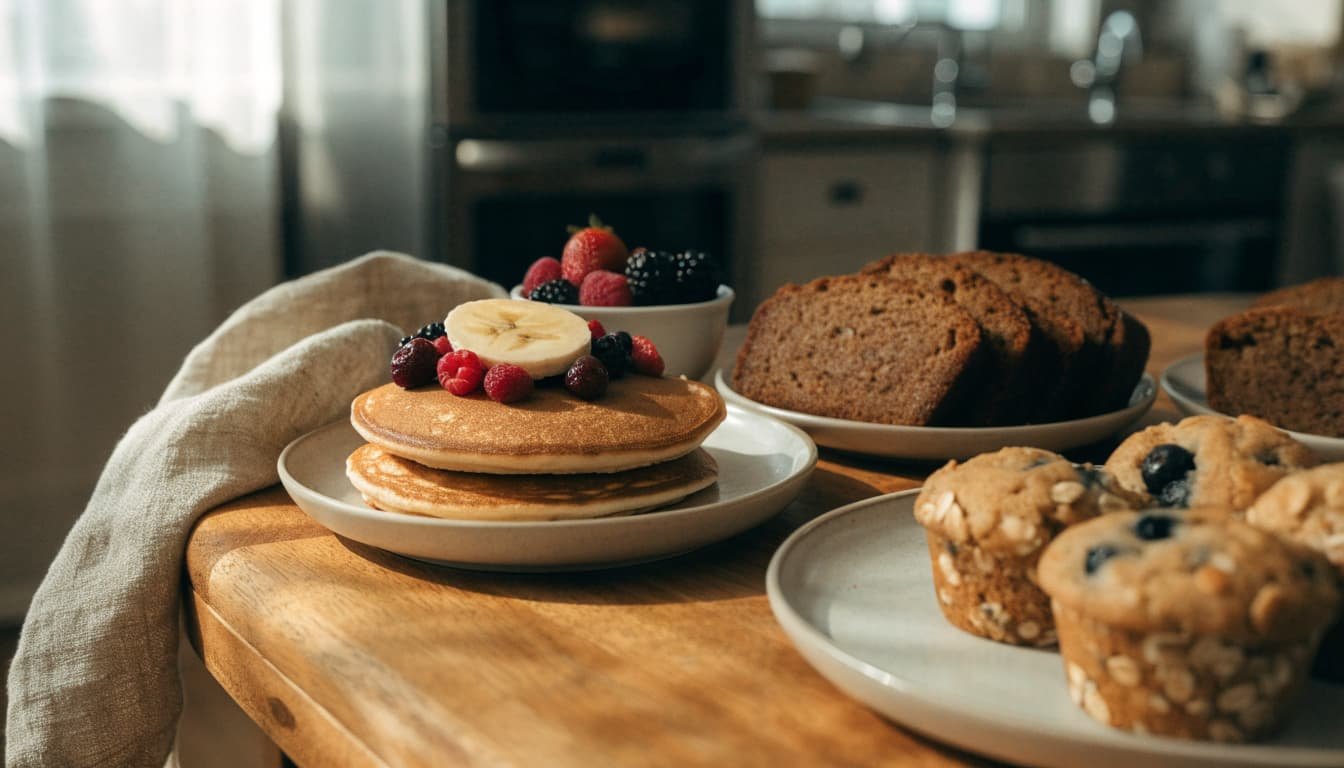
Banana bread is another useful way to use ripe fruit. Mashed bananas add sweetness and moisture, while chopped walnuts or pecans bring a little crunch. You can also stir in oats or swap some flour for whole-wheat flour. Keep changes modest at first, since too many additions can make the loaf dense or slow to bake through.
Protein muffins are handy when you want breakfast ready to grab. Add Greek yogurt, eggs, nut butter, or a protein-rich ingredient already in your recipe, then fold in berries, grated apple, or chopped nuts. Bake a batch, cool the muffins, and store them for later. For another make-ahead option, apple baked oatmeal combines rolled oats and apples in a pan you can slice into portions. Rolled oats keep their shape and give each serving a tender, slightly chewy texture.
Make-ahead egg bakes for busy mornings
An egg bake with spinach, white beans, and feta makes a filling breakfast from a few familiar ingredients. The beans add a creamy, hearty bite, spinach brings color, and feta gives the eggs a salty tang. Drain cooked or thawed spinach well before mixing it in; excess moisture can leave the center soft.
Use what you have on hand for simple swaps. Try kale or chopped bell pepper instead of spinach, or use shredded cheddar or mozzarella in place of feta. Cook vegetables with a lot of water, such as mushrooms, before adding them. That helps the bake set evenly and makes it easier to cut into portions.
Bake until the center is fully set. The USDA recommends cooking egg dishes to 160°F, checked with a food thermometer. Let the bake cool briefly, then divide leftovers into covered portions and refrigerate them promptly. The USDA’s leftover food safety guidance explains how to store and reheat cooked food safely. Reheat only the portions you need for an easy breakfast the next day.
Popular Recipes for Fast, Filling Weeknight Dinners
Popular weeknight recipes often use a simple mix of protein, vegetables, and a filling base. Skillets, pasta, bowls, and slow-cooker meals give you room to work with what’s already in your kitchen.
Choose quick chicken skillets and weeknight pasta
A creamy garlic chicken-and-broccoli skillet is a useful example when you want a warm dinner without a long prep routine. EatingWell’s version is listed as ready in 20 minutes, with chicken cutlets and broccoli cooked together in a creamy sauce. See the 20-minute chicken and broccoli skillet recipe for one way to bring those familiar ingredients together.

Pasta is just as flexible. Toss whole-wheat pasta with tomato sauce, spinach, and white beans, or add cooked chicken for another option. Frozen spinach and other frozen vegetables can save washing and chopping; give them time to heat through, and expect them to release a little moisture. Canned beans, jarred sauce, and a microwave grain pouch can shorten prep, too. Keep a little sauce or broth nearby to loosen pasta if it thickens as it heats.
Build a satisfying bowl with beef, sweet potatoes, or beans
Ground beef and sweet potatoes make a familiar, filling combination for a weeknight bowl. Spoon them over rice or a bed of greens, then add a topping such as cottage cheese, plain yogurt, salsa, or a simple dressing. Roasted sweet potatoes can be prepared ahead, while smaller pieces cook more quickly when you’re starting from scratch.
For a meatless bowl, use black beans, chickpeas, or another bean you have on hand. Add vegetables and a sauce or topping to bring the ingredients together. Rice makes the bowl hearty, while greens give you a lighter base. A microwave grain pouch is handy when you want a warm base without waiting for a pot to cook.
Let the slow cooker handle dinner
Teriyaki chicken served with rice can make a practical slow-cooker dinner, while turkey breast offers another option for a meal you can portion with vegetables and grains. The cooker reduces hands-on work, but the timing still depends on the recipe, the cut of meat, and the size of the pieces. Follow the recipe’s timing and doneness directions rather than assuming every slow-cooker meal cooks at the same rate.
Thaw meat or poultry before adding it to the cooker, keep the lid in place, and check doneness with a food thermometer. The USDA recommends cooking chicken and turkey to 165°F. Its slow-cooker food safety guidance covers safe handling, cooking, and leftovers.
Comfort-Food Casseroles, Soups, and One-Pot Favorites
Familiar flavors make comfort-food dinners easy to bring back to the table. Choose a casserole when you want an oven-baked meal that portions well, soup or chili when you want a flexible pot with leftovers, or a one-pot dinner when fewer dishes matter most. EatingWell’s most-saved casserole recipes and popular recipes of 2025 include these kinds of practical dinner ideas.
Try a casserole that turns familiar flavors into dinner
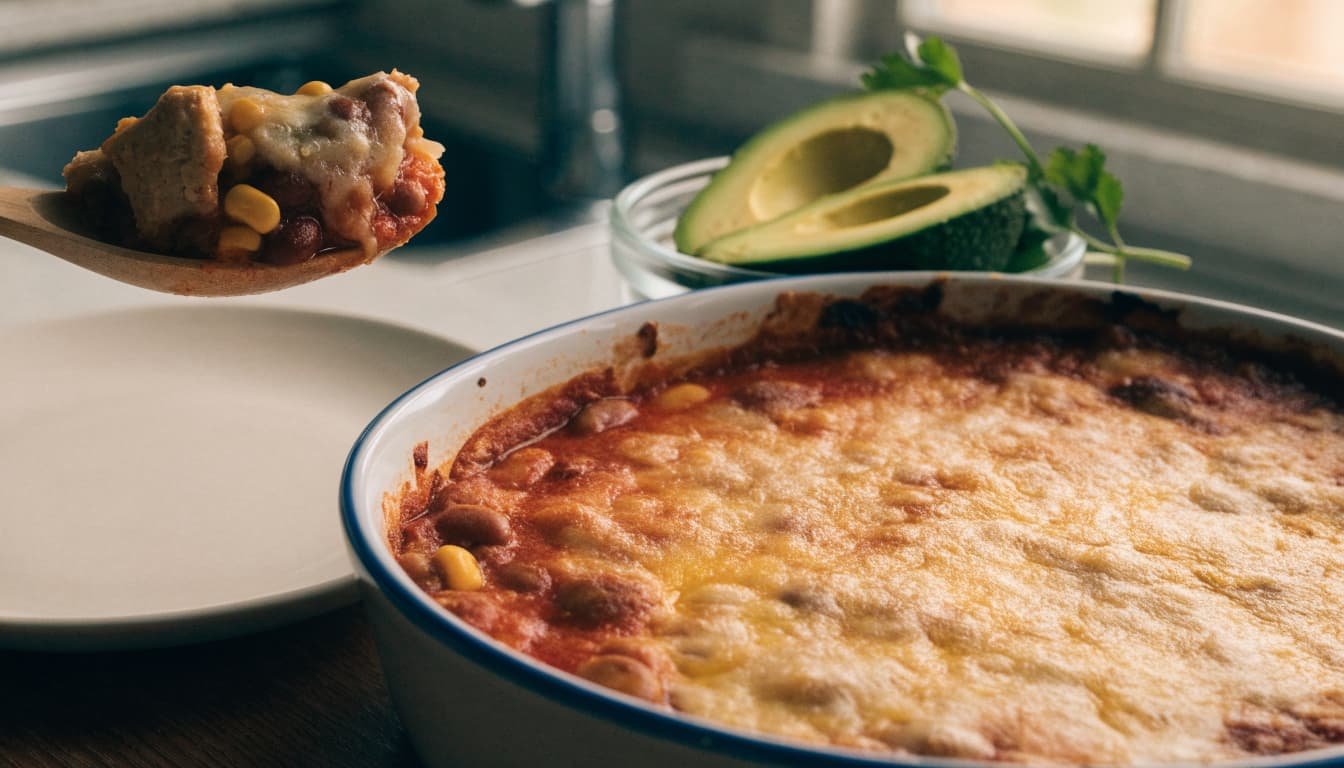
Chicken enchilada casserole layers tortillas, chicken, beans, sauce, and cheese into a dinner that’s easy to scoop and share. For another familiar combination, layer tomato soup flavors with pasta and pieces of bread or grilled cheese. A cheesy beef-and-rice bake is a filling option, too. Add vegetables such as mushrooms, peppers, or spinach, and serve with a salad or roasted vegetable if you want a fresh contrast.
Casseroles suit family meals because you can bake one dish, serve different portions, and refrigerate what’s left. Keep toppings such as cilantro, salsa, sour cream, or sliced jalapeños on the side. That way, each person can adjust their serving without changing the flavor of the whole pan. You can also season the base gently, then offer extra chili powder or hot sauce at the table.
Make soup and chili with beans, vegetables, or chicken
Soup and chili are easy to adjust as they cook. Try a mushroom-and-lentil soup with tomato and herbs for a Bolognese-inspired flavor, or make white bean soup with carrots, kale, and broth. Turkey chili with beans, tomatoes, and peppers is another hearty choice. Canned beans and boxed broth shorten prep, while frozen vegetables or pre-washed greens can save more time.
Drain and rinse canned beans, then stir them in near the end so they warm without turning mushy. Add kale, spinach, or other quick-cooking greens during the last few minutes; they’ll soften while keeping more color and texture. Red lentils cook down and thicken broth, while brown lentils hold their shape better. Choose based on the texture you want.
To make the meal more balanced, include vegetables and serve soup or chili with brown rice, barley, quinoa, or whole-grain bread. These additions make the bowl more filling without requiring a separate elaborate side. A squeeze of lemon or a splash of vinegar can brighten the broth, and plain yogurt or fresh herbs make easy finishing touches.
Vegetable-Forward Sides, Snacks, and Dips Worth Sharing
A fresh side adds color and crunch beside casseroles, roasted meat, or a quick skillet dinner. These popular recipes are easy to adapt: use seasonal vegetables on hand, then add citrus, herbs, or a light dressing to bring the flavors together.

Add quick salads and crunchy vegetable sides
Carrot salad is a simple way to add a bright, slightly sweet bite. Shred or ribbon the carrots, then toss them with a little olive oil, vinegar or lemon juice, and chopped herbs. Add a small amount of Dijon mustard if you want more tang. Keep the dressing light so the carrots stay crisp.
Cabbage works raw or cooked. Thinly sliced green or red cabbage makes a crunchy slaw with carrots, scallions, and a vinegar-based dressing. For a warm side, cook shredded cabbage and carrots with onion and a little oil until tender, with browned edges if you like. A splash of apple cider vinegar or lemon helps balance the cabbage’s natural sweetness.
An iceberg lettuce salad brings cool, crisp texture to a rich casserole or meat dish. Add cucumber, radishes, or whatever fresh vegetables you have, then dress it shortly before serving. Use the same approach with seasonal produce: choose a few vegetables that fit the meal instead of trying to include everything. The Harvard Healthy Eating Plate guide offers a useful visual for pairing vegetables with grains and protein foods.
Serve a simple dip or snack with a fresh twist
White bean and feta dip is a protein-containing option for a snack board or light meal. Mash or blend white beans with crumbled feta, lemon juice, and a little olive oil, then adjust the texture with water as needed. Taste before adding salt, since feta can be salty. Serve it with carrots, cucumber, bell pepper, or whole-grain crackers.
Onion ring chips add a crisp, savory snack beside the vegetables and dip. One simple version bakes onion rings with shredded cheese until golden, then cools them so they firm up. Since cheese can add sodium and saturated fat, keep portions comfortable and choose a cheese that suits your preferences. These chips are a snack, not a substitute for fresh vegetables.
Set toppings out separately so everyone can adjust their serving. Chopped herbs, black pepper, paprika, or extra lemon can add flavor in small amounts. A platter with vegetables, dip, crackers, and a crunchy snack gives people choices without requiring several complicated sides.
How to Choose Popular Recipes That Fit Your Family
A recipe can be popular because many people search for it, view its page, rate it, or save it to a publisher’s yearly list. Those signals can help you find ideas, but they don’t tell you whether the dish fits your schedule, ingredients, or family’s tastes.

Match the recipe to your time, ingredients, and appetite
Choose the cooking method first. A skillet is useful when you need dinner quickly, a sheet pan keeps cleanup simple, and soup makes it easy to adjust portions or use extra vegetables. Then look at the recipe’s hands-on time, total cooking time, and ingredient list. A short total time can still include plenty of chopping.
Build the meal around what you have. One or two seasonal vegetables, a protein, and a filling side such as rice, potatoes, or bread can make a complete dinner. You don’t need to shop for every optional topping or garnish. Canned beans, frozen vegetables, and pre-cooked grains can also help when fresh ingredients or prep time are limited.
Think about the amount the recipe makes, too. Will your family eat the leftovers for lunch, or would a smaller batch make more sense? If you plan to freeze portions, check that you have enough freezer space and choose a dish that holds its texture after thawing.
Make easy swaps and store leftovers safely
Keep the main dish mild if family members prefer different levels of spice. Set out bolder toppings such as salsa, chili, citrus, herbs, or sesame seeds so everyone can season their own portion. Beans can replace meat in many soups, bowls, and chili recipes. Dairy-free alternatives may work in some dishes, though they can change the texture or flavor.
Check ingredient labels on packaged broth, sauces, and substitutes, especially when allergies or dietary needs are part of the decision. A highly rated recipe still needs to work for the people at your table.
Plan for leftovers before you cook. Refrigerate them in shallow, covered containers within two hours, or within one hour when the temperature is above 90°F. Keep the refrigerator at 40°F or below, and use refrigerated leftovers within three to four days. Reheat only what you plan to eat, and check that it reaches 165°F with a food thermometer. The USDA explains safe ways to reheat leftovers.
Conclusion
Popular recipes can give you useful ideas for breakfast, quick dinners, cozy casseroles, and fresh vegetable sides. The best choice is the one that fits your schedule and uses ingredients your household enjoys.
Start with a familiar recipe, then make small changes to suit the people at your table. Canned beans, frozen vegetables, and cooked grains can save time, while toppings served on the side let everyone adjust their plate. A practical recipe is one you’ll be glad to make again.

- Christmas Cookie Ideas for Every Holiday Baker - November 9, 2026
- Christmas Cocktails: Party Drinks, Cozy Sips, and Mocktails - November 9, 2026
- 20 Christmas Appetizer Ideas for Every Holiday Spread - November 9, 2026