Picture a wide skillet on the stove, sweet potato cubes turning golden at the edges while onion softens in the oil. Then we make little wells in the hash, crack in the eggs, and let them settle into nests of wilted spinach. That’s the whole picture, and it’s how our sweet potato breakfast hash with eggs and spinach comes together.
You don’t need a second pan or a long list of steps for the main cooking. One skillet does most of the work, which is why this fits a rushed Tuesday morning, a slow Sunday when nobody’s in a hurry, and a table of friends who showed up for brunch. It tastes like a weekend breakfast but stays practical enough for a weekday.
If you’re wondering how to get the sweet potatoes tender and the eggs set without a lot of fuss, we’ll walk through the method and the simple swaps.
For now, let’s start with what goes into the skillet.
What Goes Into Sweet Potato Breakfast Hash with Eggs and Spinach
A good breakfast hash doesn’t ask for much. The ingredient list for this one is short enough to read in a glance, and every item earns its place. Sweet potato brings sweetness and body, eggs bring protein, and spinach wilts down into the warm cubes until it almost disappears. Everything else is seasoning, texture, and whatever you feel like adding that morning.
I build this dish around a 12-inch skillet. Anything smaller crowds the potatoes and they steam instead of browning, which changes the whole feel of the plate.

Ingredients for a Colorful, Filling Skillet
Here’s the starting point I use most often, sized for about four servings:
- 2 medium sweet potatoes, peeled or not, cut into half-inch cubes so they cook through before the edges scorch
- 4 to 6 eggs, depending on how hungry everyone is
- A few handfuls of baby spinach, roughly three cups loosely packed
- Half an onion, diced, plus one bell pepper in any color
- 2 garlic cloves, minced, added late so they don’t burn
- 2 to 3 tablespoons olive oil, enough to coat the pan without pooling
- Salt, black pepper, 1 teaspoon smoked paprika, and ½ teaspoon cumin
Smoked paprika does the heavy lifting on flavor. It gives the sweet potatoes a dusky, almost bacon-like depth without any meat in the pan.
Black beans are optional, and a drained half can makes the skillet heartier for a bigger crowd. Toppings stay flexible too. I set out avocado slices, salsa, chopped cilantro, and a little crumbled cheese so everyone finishes their own plate.
Nothing here is locked in. Two sweet potatoes stretch to feed six people once you add beans and extra eggs, and the seasoning amounts are a place to start rather than a rule.
Simple Swaps for What You Have on Hand
This is a pantry dish, so treat the list as a suggestion. Frozen diced sweet potatoes save you the chopping and roast just as well, though they release more moisture, so give them a few extra minutes in the pan before adding anything else. Leftover roasted sweet potatoes work even better since the cooking is already half done.
Greens swap easily. Kale holds its shape longer than spinach and needs a splash of water to soften, while baby spinach melts in under a minute. Red onion or a shallot brings a sharper bite than yellow onion, and frozen bell peppers taste fine once they hit a hot skillet.
For beans, black beans are classic, but pinto, kidney, or white beans all belong in this hash. Rinse canned beans well and pat them dry so they brown instead of turning mushy.
I’d rather you cook with what’s already in your fridge than make a special trip for one ingredient. A hash built from odds and ends often tastes better than the planned version anyway.
How to Cook Sweet Potato Breakfast Hash with Eggs and Spinach
A good sweet potato breakfast hash with eggs and spinach depends on heat control and a little patience. You want the potatoes tender before the eggs go in, and the spinach wilted without turning into a wet pile. The method below keeps everything in one skillet, so the potatoes brown, the greens soften, and the eggs finish in the same pan.
Start with Tender, Browned Sweet Potatoes
Cut the sweet potatoes into small, even cubes, about half an inch across. Small pieces cook through before the outside burns, which is the whole game with a breakfast hash. Warm 2 tablespoons olive oil in a wide skillet over medium heat. Add the onion and bell pepper and cook until they soften, roughly 4 minutes. Stir in the sweet potatoes, ½ teaspoon salt, a few grinds of black pepper, 1 teaspoon smoked paprika, and ½ teaspoon cumin. Toss until the cubes are coated, then pour in 2 tablespoons water and cover the skillet. The steam helps the centers turn tender.
After 3 or 4 minutes, uncover and let the potatoes sit in a single layer. Resist stirring for a bit so the edges can brown. I use a wide skillet here because crowded cubes release moisture and steam instead of taking on color. When the edges look crisp and a knife slides into the largest cube with little resistance, the base is ready for the next step.
Wilt the Spinach and Make Nests for the Egg
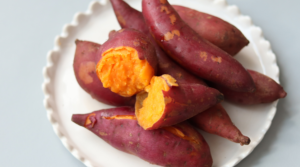
Add the spinach in handfuls, stirring as each one wilts. Fresh spinach releases water as it collapses, so keep the heat at medium and let that moisture cook off for a minute or two. If you’re using black beans, stir in a drained half can now and let them heat through. Then turn the heat to medium-low.
Use the back of a spoon to press small wells into the hash, spacing them evenly around the skillet. Crack one egg into each well. Season the eggs with a pinch of salt and a little black pepper. I keep the wells shallow so the eggs sit in the vegetables rather than sinking to the bottom. The spinach should look soft and glossy, not swimming in liquid, before the eggs go in.
Cook the Eggs to Your Liking and Finish the Skillet
Cover the skillet with a lid. Trapped heat sets the egg whites while the yolks stay soft, and the spinach finishes wilting underneath. Check after 3 or 4 minutes. The whites should look opaque and the yolks should still wobble when you nudge the pan. For firmer eggs, cover again and cook a little longer, though dry yolks are hard to rescue.
A food thermometer is the reliable check for safety. The USDA recommends egg dishes reach 160°F. Slide the skillet off the heat once the eggs are done. Finish with sliced avocado, a spoonful of salsa, chopped cilantro, or crumbled cheese. Add those toppings after cooking so they stay fresh and cool against the warm hash. Bring the pan to the table and serve right away, while the sweet potatoes are crisp at the edges and the eggs are warm.
Easy Variations for a Sweet Potato Breakfast Hash
The base method stays the same no matter how you change the ingredients. Sweet potatoes go in first, vegetables follow, eggs nest on top, and the pan comes off the heat when the whites set. What changes is everything around that structure, which is where a hash gets fun. Some mornings I want heat, other mornings I want something smoky and savory, and sometimes I want to clear out the crisper drawer before the weekend.
These are the swaps I reach for most, and each one keeps the skillet balanced.
Swap the Vegetables and Add a Protein
Mushrooms, zucchini, kale, and roasted peppers all fit into this hash. Kale holds up better than spinach and needs a small splash of water to soften, while mushrooms bring an earthy depth that pairs well with smoked paprika. Zucchini adds bulk without much starch, so use it when you want a lighter plate.
Cook watery vegetables first. Mushrooms and zucchini release a lot of moisture, and adding them late steams the sweet potatoes instead of letting them brown. Give them a few extra minutes in the hot pan before the cubes go in, or sauté them separately and fold them back at the end.
For a heartier skillet, brown cooked sausage or turkey in the pan before the onions and set it aside. Crumble it back in with the spinach. Extra black beans work just as well for a meat-free version, and a drained can of pinto beans brings the same heft.
From experience, I add protein after the potatoes are tender so nothing overcooks in the pan.
Change the Spices and Toppings
Seasoning is where the same hash turns into a different breakfast. Smoked paprika and cumin give you a warm, smoky base, which is what the main recipe uses. Chili powder and a minced jalapeño push it toward heat, while a spoonful of pesto stirred in at the end or crumbled feta on top takes it in a fresher direction.
Toppings do a lot of the finishing work. Salsa, hot sauce, sliced avocado, chopped cilantro, and crumbled cheese each add something different, and you don’t need all of them. Pick one creamy element and one bright one, then let everyone finish their own plate.
Add strong flavors gradually. Chili powder and jalapeño build heat fast, and smoked paprika can overpower the sweet potato if you go heavy. Taste after each addition, then adjust.
The sweet potatoes are already sweet, so lean on salt, acid, and heat to round out the plate.
A squeeze of lime or a spoonful of salsa at the table does more for the finished dish than another pinch of spice in the pan.
Make It a Meal Prep Breakfast
The sweet potato and vegetable base is the part worth cooking ahead. Make a full batch, cool it, and store it in a covered container so weekday mornings only need reheating and eggs. Cook the eggs fresh when you can, since a fried or poached egg reheats best gently in a covered pan over low heat.
Keep avocado, salsa, cheese, and fresh herbs separate until serving. They lose texture when stored against the warm hash. Portion the base into containers and pack toppings on the side, then assemble each bowl when you’re ready to eat.
For leftovers that need more room, the same filling works tucked into a warm tortilla or spooned over greens.
Prep Ahead, Store, and Reheat Leftovers Safely
A sweet potato breakfast hash rewards a little planning. The skillet comes together fast, but the potatoes take longer than the eggs, and that gap is where mornings get tight. I cook the base ahead when I can, then store and reheat it with the same care I’d give any cooked food. Good texture and food safety both depend on how you handle the leftovers.
Cook Components Ahead for Faster Mornings
The sweet potato and vegetable mixture is the part I prep first. Cook it through, let it cool slightly, then move it into a covered container in the refrigerator. On a busy morning, that means the pan only needs to heat the base before the eggs go in.
Eggs are best cooked fresh. A fried or poached egg reheats gently, but the texture never quite matches one straight from the skillet. If you do make them ahead, store eggs in their own container, away from the potatoes.
Spinach, avocado, salsa, and fresh herbs stay separate until serving. Spinach wilts against warm potatoes, and avocado turns soft and dull in the fridge. Keeping toppings apart preserves the contrast that makes the dish feel fresh. Prepped components cut morning cooking to a short reheat, which is the whole reason I bother.
Refrigerate and Freeze Portions
Divide leftovers into shallow, covered containers. A deep pot holds heat in the center, and shallow portions cool faster. Refrigerate cooked food within 2 hours, or within 1 hour when the room is above 90°F. Keep your refrigerator at 40°F or below, and use refrigerated portions within 3 to 4 days.
For longer storage, pack cooled portions in freezer-safe containers. Leave a little headroom if the base has any moisture, since liquid expands as it freezes. Use frozen portions within 3 to 4 months for the best flavor and texture.
Thaw in the refrigerator, not on the counter. A overnight thaw keeps the potatoes from drying out and gives you a safer start. If you forget, reheat from frozen and allow extra time, stirring partway through so the center warms evenly.
Reheat to 165°F and Refresh the Texture
Reheat only the portion you plan to eat. Warming a full batch and cooling what nobody touches costs time and texture. Use a covered microwave-safe dish, or warm the base in a skillet over low heat with a small splash of water or broth if the sweet potatoes look dry.
Heat until the food reaches 165°F throughout. A food thermometer is the reliable check, especially in a dense pile of potatoes. In the microwave, cover the dish, stir partway through, and let it stand briefly before checking for cold spots.
Add fresh toppings after reheating. Spinach, avocado, salsa, and herbs stay bright and crisp against the warm hash. That final step brings back the contrast the dish had on the first morning.
Serving Ideas for a Sweet Potato and Egg Breakfast

A sweet potato breakfast hash with eggs and spinach already brings vegetables, protein, and a warm, savory base to the table. That means you don’t need a big spread to turn it into a full meal. I keep the sides light so the skillet stays the star, and I choose one or two things that add contrast without another round of cooking.
Simple Sides for a Weekday Morning
On a weekday, one side is enough. The hash already covers vegetables and protein, so you can round out the plate without building a second dish. Whole-grain toast adds a crisp edge and makes the meal feel a little more substantial. A small green salad brings a fresh bite, especially if you dress it lightly with lemon and olive oil.
Fruit is an easy choice when you want something cool against the warm potatoes. Orange slices, berries, or a sliced apple all work well. Use what looks good and needs little prep. A small bowl is plenty, and you can serve it on the side so everyone takes what they want. If you’re feeding a crowd, toast a few slices of bread and set out fruit at the same time. Keep the focus on the skillet, and let the sides fill in the gaps.
Easy Brunch Additions
Brunch calls for a more relaxed setup, but not more work. Set out salsa, sliced avocado, chopped cilantro, and a little crumbled cheese so guests can finish their own plate. Each topping adds something different: salsa brings acid, avocado brings creaminess, and cheese adds salt. A bowl of fruit or a simple salad is enough on the side. Skip the heavy casseroles and extra pans, since the hash already has plenty of substance.
The skillet can stay warm on the table for a casual serve-yourself meal. Put a trivet down, keep a serving spoon nearby, and let people help themselves. If the eggs sit a little longer, the yolks firm up, so bring the pan out when everyone is ready to eat. That easy setup keeps the morning calm and the food warm.
Conclusion
This sweet potato breakfast hash with eggs and spinach bends to whatever your morning looks like. You brown the potatoes in one skillet, wilt the spinach, nestle in the eggs, and finish with cool toppings like avocado or salsa. That method stays the same whether you’re cooking for two or feeding a full table.
Store the base and fresh toppings separately, chill leftovers promptly, and reheat each portion to 165°F.
I’d start with the basic version, then swap the greens, change the spice, or add beans and make the skillet yours. Flexible cooking like this keeps a warm breakfast within reach, even on the mornings when nothing goes to plan.
Save pin for later


- Lentil Shepherd’s Pie with Creamy Mashed Potatoes: A Cozy Meatless Dinner - November 26, 2026
- Crispy Air Fryer Tofu with Vegetables and Brown Rice - November 26, 2026
- Baked Chicken Thighs with Garlic and Roasted Vegetables - November 26, 2026